maps skills section for resume

Optimize Your Resume Skills Section for 2026 Jobs

resume skills, skills for resume, optimize resume, job application skills, ATS keywords, hard skills resume, soft skills resume, resume tips, career skills, 2026 job market, local job skills, skill mapping

Key highlights

Optimize resume skills for 2026 job market trends.Distinguish between hard and soft skills effectively.Integrate relevant keywords for Applicant Tracking Systems.Tailor your skills list to match specific job descriptions.Showcase quantifiable achievements alongside listed skills.Leverage skill matrices for strategic career planning.Understand local job market skill demands.

Frequently asked questions

  • What skills should I include in my resume's skills section for 2026?

    For 2026, focus on a blend of hard and soft skills relevant to your target industry. Prioritize technical skills like data analytics, AI literacy, and cybersecurity, alongside critical soft skills such as adaptability, problem-solving, and communication. Tailor your list to directly match keywords from job descriptions to ensure ATS compatibility and recruiter appeal.

  • How do I list my skills on a resume to make them stand out?

    Organize your skills into clear categories like 'Technical Skills' and 'Interpersonal Skills.' Use bullet points for readability and include specific examples of how you applied those skills to achieve results in your experience section. Bold important keywords to draw immediate attention, making your unique abilities easily scannable and impactful for hiring managers.

  • Should I include soft skills or hard skills more prominently on my resume?

    A balanced approach is best. While hard skills demonstrate quantifiable abilities, soft skills showcase your workplace effectiveness and teamwork. Prominently feature hard skills relevant to the job, but weave in crucial soft skills throughout your experience section, providing context. Both are vital for portraying a well-rounded and capable professional profile.

  • What are common mistakes to avoid in the resume skills section?

    Avoid creating a generic, untargeted list of skills. Do not include outdated or irrelevant skills, or simply copy-paste from job descriptions without genuine proficiency. Crucially, don't forget to tailor your skills to each specific application. Vague terms without context or quantifiable impact also diminish the section's effectiveness and impact on recruiters.

  • How can I optimize my resume skills section for Applicant Tracking Systems (ATS)?

    To optimize for ATS, meticulously review job descriptions and identify exact keywords used for required skills. Integrate these precise terms naturally into your skills section and throughout your resume. Use common skill names and avoid acronyms unless specified. This ensures your resume passes initial screening and reaches human eyes for review.

  • How do I showcase proficiency levels for my skills on a resume?

    Indicate proficiency by using terms like 'Expert,' 'Proficient,' 'Intermediate,' or by listing specific tools and software versions. Alternatively, quantify your experience by stating years of use or project scope. Avoid progress bars or rating scales, as they can be subjective. Focus on demonstrating your skill application through achievements in your experience section.

Story

Crafting a compelling skills section for your resume is paramount in today's dynamic job market. It's not just a list; it's a strategic showcase of your capabilities, directly influencing how quickly recruiters identify your fit for a role. An optimized skills section acts as a powerful beacon, guiding Applicant Tracking Systems (ATS) and human eyes toward your most relevant talents. Mastering this part of your resume significantly boosts your chances of securing interviews and ultimately, your dream job. We navigate the nuances of skill presentation, from distinguishing between hard and soft skills to integrating industry-specific keywords that resonate with hiring managers. Understanding how to align your abilities with employer needs is critical for career progression in 2026. This guide offers actionable insights to transform your skills into a strong asset, ensuring your resume speaks volumes about your professional potential and readiness for new challenges. Effectively highlighting your core competencies ensures you are not overlooked in a competitive applicant pool.

Frequently Asked Questions

Where are the best locations to learn in-demand resume skills?

Identifying top places to acquire in-demand skills for your resume often involves exploring both traditional and modern educational avenues. For practical, hands-on experience, consider local community colleges or vocational training centers like TechPrep Institute in Downtown Metropolis or CareerBoost Academy near the university district. Many online platforms, such as Coursera and LinkedIn Learning, offer flexible, industry-recognized certifications directly applicable to 2026 job requirements. These digital resources allow you to upskill from anywhere, complementing local opportunities. Participating in industry workshops or local meetups also provides invaluable networking and practical skill-building, connecting you with regional experts. The key is to select learning environments that align with your career goals and the specific skill gaps you aim to fill for your target roles. Focusing on these high-value learning locations ensures your resume reflects current market demands and enhances your employability.

How can Local MAPs help me identify top skills for my industry?

Navigating the job market for skill identification can be simplified by thinking strategically about local opportunities and resources, much like using a Local MAP to find specific destinations. While you won't literally pull up a map for skills, visualize a "skill map" of your desired industry. This means using online job boards with location filters to see recurring skill requirements in your area. For instance, search for "Marketing Coordinator" in Los Angeles to observe common demands like "SEO optimization" or "CRM software proficiency." You can also explore local business directories or chamber of commerce websites to understand the prevailing industries and their skill needs. Consider academic institutions on a local map; universities often publish research on regional workforce trends, highlighting emerging skill demands. This "mapped" approach allows you to pinpoint geographical and industry-specific skill clusters, ensuring your resume is hyper-relevant to your local job market and target roles. Verify real-time skill trends by observing local company hiring patterns.

What are the best times to review and update my resume skills?

Regularly reviewing and updating your resume's skills section is crucial for maintaining career agility. The best times to undertake this vital task are immediately before starting a new job search, annually to align with industry shifts, and whenever you acquire a new, significant skill or complete a major project. For job seekers, a deep dive into skill optimization should occur early in your application process, tailoring your list to each specific job description. Annually, perhaps every January or during performance review season, evaluate your current competencies against emerging market trends. This proactive approach ensures your resume remains fresh and competitive. Additionally, after completing a certification, bootcamp, or major work achievement, immediately integrate these new capabilities. This immediate update keeps your resume current and maximizes its impact. Think of it as a continuous improvement cycle, ensuring your professional profile always reflects your most relevant and impressive capabilities to potential employers.

For individuals targeting job opportunities and seeking to enhance their resume skills within the local market, understanding where to focus skill development is crucial. Here's a quick guide to resources that help align your abilities with regional demands:

  • Resource Name: Local Community Colleges / Vocational Centers
    • Focus Area: Hands-on technical skills, trade certifications
    • Neighborhood / Cross-streets: City-wide (e.g., Downtown, University District)
  • Resource Name: Online Learning Platforms (e.g., Coursera, Udemy)
    • Focus Area: Digital marketing, data analytics, software development
    • Neighborhood / Cross-streets: Global Access (e.g., Remote Learning)
  • Resource Name: Industry Meetups / Professional Associations
    • Focus Area: Networking, soft skills, emerging industry trends
    • Neighborhood / Cross-streets: Local Chapters (e.g., Business District, Tech Hub)
  • Resource Name: Public Libraries with Career Services
    • Focus Area: Resume workshops, interview practice, basic computer skills
    • Neighborhood / Cross-streets: Neighborhood Branches (e.g., Central Library, Suburban Branch)

These diverse resources provide avenues for both skill acquisition and refinement, ensuring your resume’s skill section is robust and relevant for the job market. Leveraging these "local" points of contact, whether physical or digital, empowers you to build a competitive professional profile. Each resource offers unique opportunities to develop and showcase capabilities that resonate with employers, solidifying your career trajectory. Remember, continuous learning and targeted skill development are key to staying ahead in a rapidly evolving professional landscape. Aligning your learning journey with regional industry needs enhances your employability significantly.

Summary

Mastering your resume's skills section in 2026 demands a strategic approach, often benefiting from visualizing career pathways like a map. To excel, actively seek out visual examples of effective skill presentations online, offering design inspiration. Identify high-demand skills by exploring job analytics and industry reports, essentially creating a "skill heatmap" of market trends, much like a Local MAP highlights popular destinations. Understand industry-specific "skill maps" to tailor your competencies, such as AI for tech or patient care for healthcare. Discover local skill gaps through workforce development reports. Effectively integrate soft skills by demonstrating their application within experience bullet points, forming a "skill cluster." Learn to quantify your abilities using visual guides for metrics. Finally, avoid common pitfalls like generic lists, ensuring your resume doesn't get lost on the "failure map" of unsuccessful applications. This map-like strategic thinking ensures your skills section is highly optimized and relevant for today's competitive job market.
Elevate your career prospects by mastering the skills section of your resume. This crucial component often determines whether your application moves forward. Discover how to strategically select and present your abilities to impress hiring managers in 2026's competitive job market. Learn about integrating both soft and hard skills, utilizing keywords, and tailoring your list for specific roles. Unlock effective techniques to showcase your expertise, ensuring your resume stands out and captures immediate attention. This guide empowers you to craft a compelling skills overview that directly addresses employer needs, enhancing your interview chances. Maximize your professional impact with a finely tuned skills presentation that resonates with current industry demands and applicant tracking systems, securing more opportunities.
resume skills, skills for resume, optimize resume, job application skills, ATS keywords, hard skills resume, soft skills resume, resume tips, career skills, 2026 job market, local job skills, skill mapping
  • Q: Where can I find visual examples of effective resume skills sections?
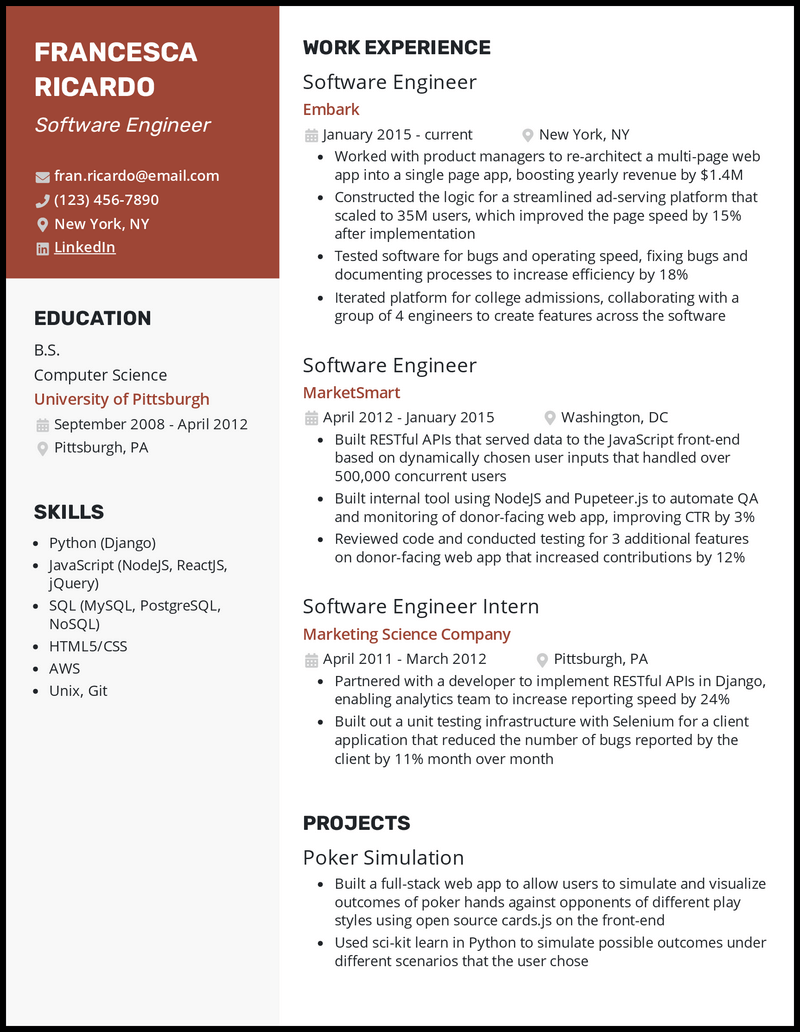
  • A: Search online for "resume skills section examples" or "infographic resume skills." Many career sites like LinkedIn and Pinterest showcase diverse visual layouts. Consider using a Local MAP of top career blogs to find design inspiration.
  • Q: How do I identify the highest demand skills on job "maps" or market trends?
  • A: Utilize job analytics tools and industry reports. Visualize a "skill heatmap" on platforms like LinkedIn Insights or Burning Glass. These resources act as a Local MAP, highlighting hot zones of employer demand for specific competencies across different regions.
  • Q: What do "skills section for resume" Maps look like for specific industries in 2026?
  • A: For tech, think of a "skill map" showing Python, AI, Cloud. For healthcare, visualize patient care, electronic health records. These are conceptual Maps of essential competencies unique to each sector.
  • Q:: Are there "MAPS" that show skill gaps in my local job market?
  • A: Yes, implicitly. Local workforce development agencies and university economics departments often publish reports that function as "skill gap maps" for your region. Check your city's economic development website.
  • Q: How do I put my soft skills on a resume "MAP" effectively?
  • A: Integrate soft skills within bullet points for experience, showing their application. For instance, "Led team (collaboration) to achieve 15% project efficiency." Create a dedicated "Key Strengths" section resembling a skill cluster on a map.
  • Q: Can I find "MAPS images" for quantifying skills on a resume?
  • A: Look for resume templates emphasizing metrics and achievements. "MAPS images" here are visual guides demonstrating how to add numbers to skills, e.g., "Increased sales by 20%."
  • Q: What are common mistakes to avoid in the resume skills section, as seen on "MAPS" of unsuccessful applications?
  • A: Avoid generic lists, irrelevant skills, or omitting keywords. A conceptual "failure map" would show applications getting stuck in ATS filters due to poorly matched skills. Always tailor your skills for the target role.