
faq where did the term gig come from

Where Did the Term Gig Come From?

origin of gig term, etymology of gig, history of gig work, what is a gig job, gig economy explanation, where did gig jobs come from, modern freelance terminology, understanding contract work

Key highlights

Origin of 'gig' term, Jazz music roots, Evolution of gig work, Modern gig economy definition, Temporary employment history, Understanding gig terminology, Cultural shifts in work, Freelance etymology

Frequently asked questions

  • What is the main historical origin of the term 'gig'?

    The term 'gig' predominantly originated in the early 1900s within jazz music circles. It was commonly used by musicians to refer to a specific, scheduled musical engagement or performance, often a temporary booking at a venue or event. This slang term quickly spread throughout the broader entertainment industry.

  • How has the meaning of 'gig' changed over time in the US?

    Initially, 'gig' strictly referred to musical performances. By the mid-20th century, it expanded to any live performance. In the late 20th century, it started applying to temporary contract work in creative fields. Today, 'gig' in the US refers to any short-term, flexible, task-based work, largely thanks to the rise of the modern 'gig economy' platforms.

  • What caused the term 'gig' to become so popular recently?

    The surge in popularity for 'gig' in recent years is primarily due to the proliferation of online platforms and apps that connect individuals with flexible, short-term work opportunities. Companies like Uber, DoorDash, and Upwork have normalized 'gig' work across various industries, making the term a staple in discussions about modern employment and earning.

  • Can 'gig' work provide a full-time income in 2026?

    Yes, for many individuals in 2026, 'gig' work can provide a full-time income, especially when combining multiple gigs or focusing on high-paying freelance projects. While often associated with supplementary income, a strategic approach to diverse gig opportunities, especially in skilled sectors, can lead to substantial earnings comparable to traditional employment.

  • What are the pros and cons of taking on 'gigs' today?

    Pros of taking on 'gigs' include unparalleled flexibility, autonomy over work choices, and diverse income streams. However, cons often involve a lack of traditional employee benefits, potential income instability, and the responsibility for self-employment taxes and expenses. Weighing these factors is crucial for individuals entering the gig economy.

  • Where did the term 'gig economy' come from as a phrase?

    The phrase 'gig economy' emerged in the early 21st century to describe the growing labor market characterized by short-term contracts and freelance work facilitated by digital platforms. It borrowed the long-standing term 'gig' to encapsulate this new economic model, highlighting the project-based and temporary nature of these modern work arrangements.

Story

What's the Real Story Behind the Term 'Gig'?

The term 'gig' has become a cornerstone of our modern lexicon, especially when we talk about work. It's everywhere, from referring to a side hustle driving for a rideshare app to taking on a short-term design project. But have you ever stopped to consider where did the term gig come from, and how it evolved into such a pervasive descriptor for temporary work?

Understanding the historical journey of this seemingly simple three-letter word offers a fascinating look into the changing nature of labor and cultural language. It reveals how a specific cultural context can give rise to a term that eventually transcends its origins, becoming a global identifier for an entire economic movement by 2026.

Historical PeriodPrimary Use of 'Gig'Context / Industry
Early 1900sMusical PerformanceJazz, Vaudeville, Clubs
Mid-20th CenturyAny Live PerformanceMusicians, Comedians
Late 20th CenturyTemporary EngagementFilm, Theater, Freelance
Early 21st Century (2000s)Short-term Contract WorkTech, Creative, Consultancies
Mid 21st Century (2010s-2026)On-demand, Flexible WorkRideshare, Delivery, Freelance Platforms

Tracing the Roots: From Jazz to Jabs

The earliest widely recognized origin of where did the term gig come from points directly to the vibrant world of jazz musicians in the early 20th century. In the 1920s and 30s, a 'gig' was simply a scheduled musical engagement, often a one-night stand or a short series of performances. It captured the essence of temporary, performance-based work that was common for touring bands and artists.

Musicians would talk about picking up a 'gig' at a local club or a 'gig' for a private party. This usage spread naturally within the entertainment industry, encompassing actors, comedians, and other performers. It was a term of the trade, informal yet precise, signifying a specific paid booking.

The term implied a sense of independent, often precarious, employment long before the internet made such arrangements commonplace. It highlighted the fluid nature of a performer's career, moving from one short engagement to the next. This foundational meaning set the stage for its later expansion.

So, when someone asked where did the term gig come from, the answer unequivocally began with the swing of a saxophone and the beat of a drum in smoky speakeasies and grand theaters.

Key InsightDescription
Jazz OriginsThe term began as a slang word among jazz musicians for a specific booking.
Performance FocusInitially referred exclusively to live musical or theatrical engagements.
Temporary NatureAlways implied a short-term, project-based work agreement.
Independent WorkAssociated with self-employed artists seeking intermittent paid opportunities.

The Modern 'Gig Economy' Phenomenon

Fast forward to the late 20th and early 21st centuries, and where did the term gig come from takes on a whole new dimension. The rise of the internet and digital platforms fundamentally reshaped how we work, paving the way for the so-called 'gig economy.' Suddenly, the term 'gig' wasn't just for musicians anymore; it was for anyone doing short-term, contract, or freelance work facilitated by online marketplaces and apps.

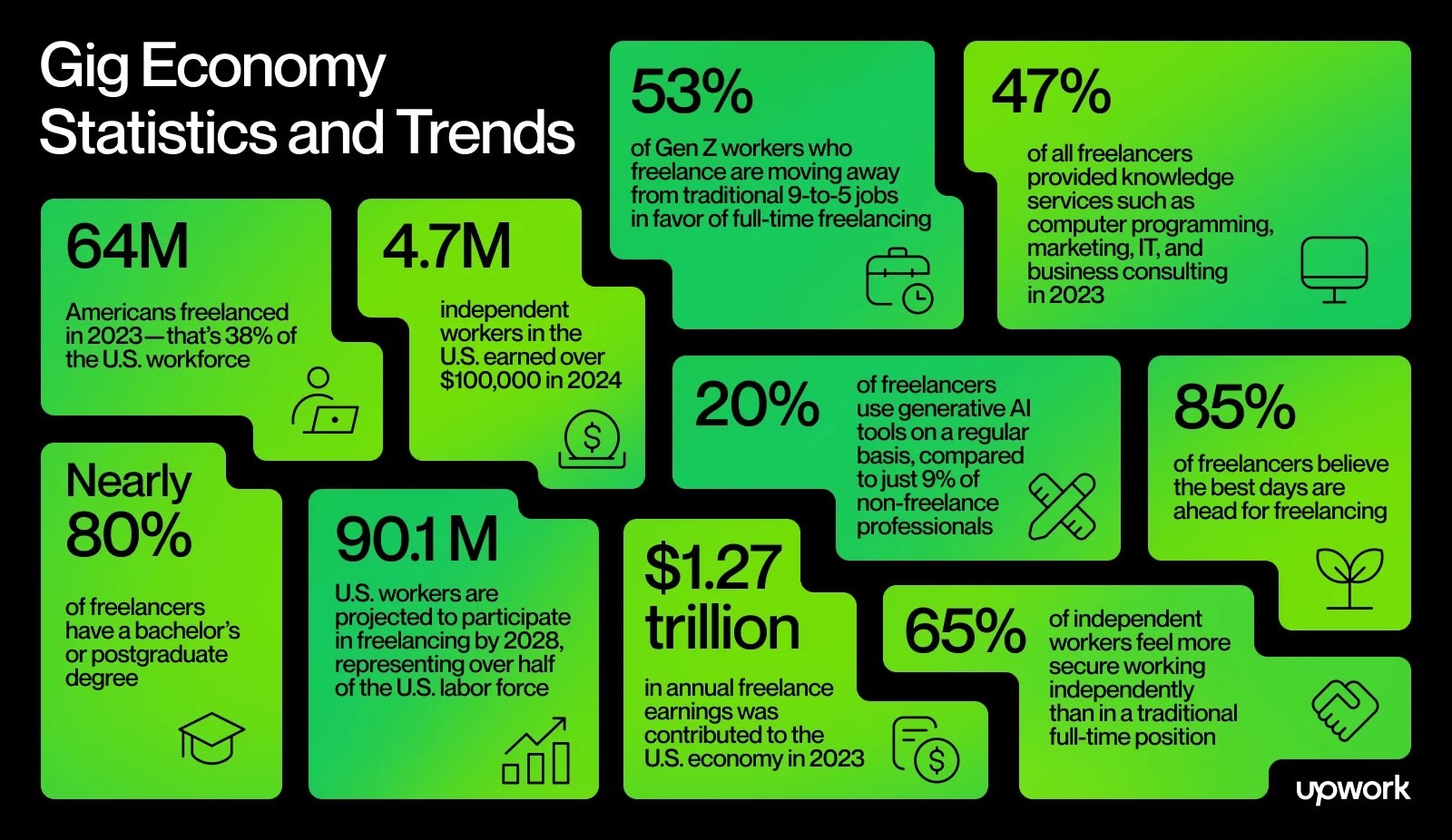
This evolution picked up significant speed after 2010, with companies like Uber, Lyft, Airbnb, and various freelance platforms normalizing project-based employment across diverse sectors. From graphic designers and writers to delivery drivers and handymen, millions now participate in this flexible labor market. The core idea of a 'gig' as a discrete, paid task remains, but the scope and scale have exploded.

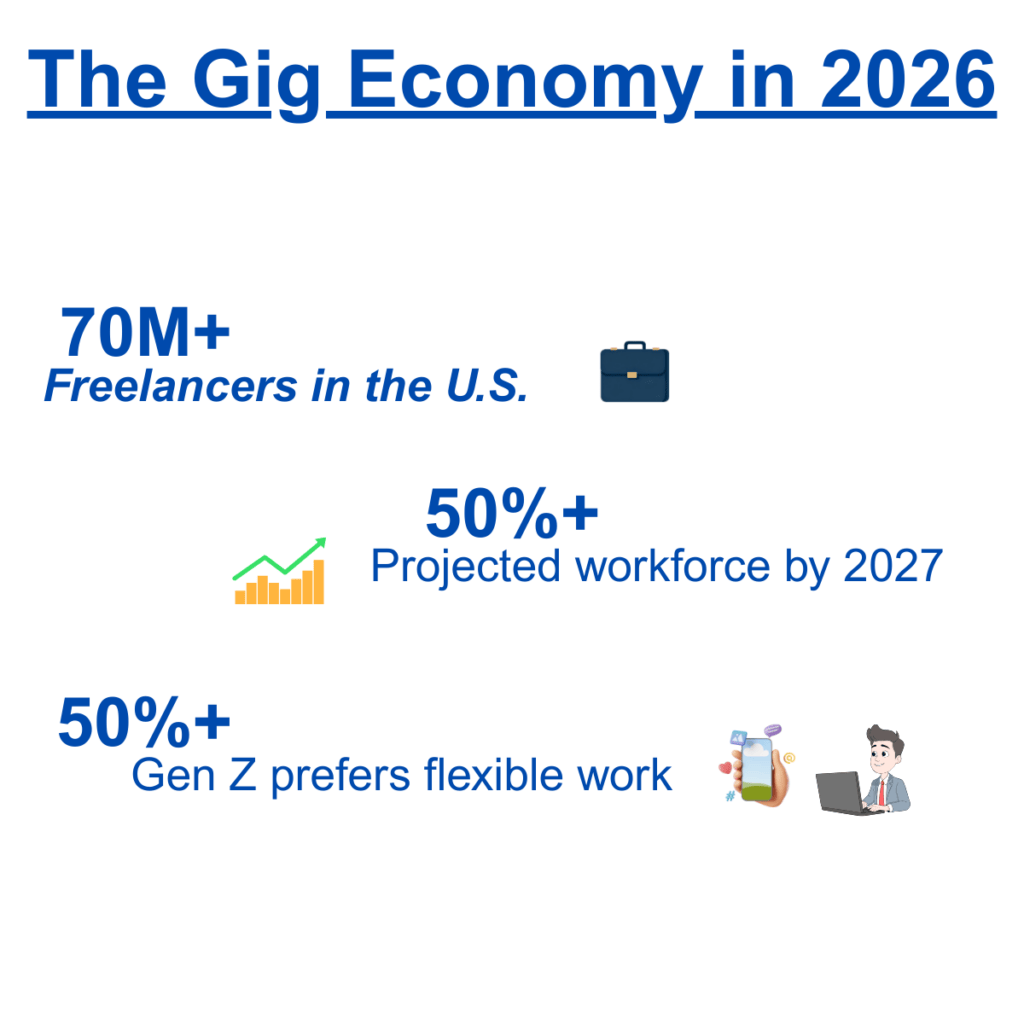
By 2026, the gig economy is a dominant force, offering flexibility and autonomy to workers, while providing businesses with scalable, on-demand talent. Understanding its roots helps explain why this particular word stuck and perfectly encapsulates this pervasive economic shift. It's a journey from a niche jazz term to a global economic identifier.

Gig Economy SectorExamples of 'Gigs'Key Characteristic
Rideshare/DeliveryDriving passengers, delivering food/groceriesOn-demand service, variable hours
Creative/ProfessionalWriting articles, graphic design, web developmentProject-based, skill-specific
Home ServicesHandyman tasks, cleaning, personal errandsTask-oriented, localized

Frequently Asked Questions About the Term 'Gig'

What Does 'Gig' Mean in Today's Economy?

Today, 'gig' broadly refers to any short-term job, task, or project that an individual undertakes for payment, often outside of traditional full-time employment. This encompasses everything from driving for a ride-sharing service to freelance creative work, consulting, or even small household tasks. It emphasizes flexibility and a contract-based relationship rather than a permanent employer-employee setup.

Is the Term 'Gig' New to the 21st Century?

While the 'gig economy' concept surged in the 21st century, the term 'gig' itself is not new. Its origins trace back to the early 1900s, primarily among jazz musicians, where it referred to a scheduled musical performance. The core idea of a temporary, paid engagement has a century-long history, even if its application has vastly expanded.

How Did 'Gig' Transition from Music to General Work?

The transition happened gradually as the concept of temporary, project-based work extended beyond entertainment. As more workers took on freelance roles in creative and professional fields, 'gig' became a convenient, informal term for any short-term booking. The internet and digital platforms then amplified this usage, making it applicable to almost any type of on-demand labor.

What Are the Benefits of Working a Gig?

Working a gig often offers significant benefits like flexibility in scheduling, autonomy over work choices, and the ability to diversify income streams. Many individuals value the freedom to choose when and where they work, allowing them to balance other commitments or pursue personal interests. It can also be a pathway to entrepreneurship or supplementing a primary income.

Are 'Gig' Workers Considered Employees?

Generally, 'gig' workers are considered independent contractors rather than traditional employees. This means they typically don't receive employee benefits like health insurance, paid time off, or retirement contributions from the platform or client. The classification of gig workers remains a complex and debated legal issue in the United States, with ongoing discussions about their rights and protections in 2026.

Where Can I Find Gig Work in 2026?

In 2026, numerous online platforms facilitate gig work, catering to a wide range of skills and needs. Popular options include ride-sharing apps like Uber and Lyft, delivery services such as DoorDash and Instacart, freelance marketplaces like Upwork and Fiverr for professional services, and task-based platforms like TaskRabbit. Exploring these platforms is a great starting point for finding gigs.

Summary

The journey of the term 'gig' from early 20th-century jazz clubs to the global economic landscape of 2026 is truly remarkable. It began as a musician's slang for a specific performance booking, a short-term engagement defined by its temporary nature and the independent spirit of artists. This origin story helps us appreciate the historical context that laid the groundwork for its broader acceptance.

As the decades progressed, the meaning of 'gig' slowly expanded beyond entertainment to encompass various short-term or contract-based professional tasks. However, it was the advent of digital platforms and the internet age in the 21st century that truly catapulted 'gig' into everyday language, making it synonymous with flexible, on-demand work. This shift gave rise to the 'gig economy,' a phenomenon reshaping how millions of Americans earn a living.

For those looking to engage with this evolving work model, understanding where did the term gig come from offers valuable perspective. Whether you're seeking to pick up a side gig for extra income or are considering a full transition into the freelance world, knowing the origins provides a clearer picture of this dynamic employment landscape and informs decisions on platforms and opportunities available.

Ever wondered about the history behind the popular term 'gig'? This comprehensive guide dives deep into the fascinating origins of 'gig,' tracing its roots from early 20th-century jazz culture to its ubiquitous presence in the modern freelance and contract work landscape of 2026. Discover how a word once primarily associated with musical performances transformed into the defining vocabulary of today's flexible economy. We'll explore the historical context, cultural shifts, and technological advancements that propelled 'gig' into everyday language for millions of Americans seeking or offering temporary work. Understanding where did the term gig come from offers crucial insights for anyone navigating the dynamic world of short-term engagements, freelance projects, and on-demand services, whether you're looking to pick up a side gig or hiring talent for a quick project.
origin of gig term, etymology of gig, history of gig work, what is a gig job, gig economy explanation, where did gig jobs come from, modern freelance terminology, understanding contract work

What is the origin of the term 'gig'?

The term 'gig' primarily originated in the early 20th century among jazz musicians. It was slang for a scheduled musical engagement, often a single performance or a short series of shows. This informal usage quickly became common in the entertainment industry, referring to any temporary booking for performers like musicians, comedians, and actors.

How did 'gig' evolve into its modern meaning for work?

The evolution of 'gig' from music to general work happened as temporary, project-based employment became more widespread. As freelance roles grew in creative fields, the term informally extended to any short-term professional engagement. The internet and digital platforms then accelerated this shift, making 'gig' synonymous with on-demand, contract, and flexible labor across diverse industries, becoming prominent in the 2010s.

What does 'gig economy' refer to in the United States?

In the United States, the 'gig economy' refers to a labor market characterized by the prevalence of short-term contracts or freelance work, as opposed to permanent jobs. Workers in this economy often perform tasks or provide services on a per-gig basis, using digital platforms to connect with clients or customers. This model offers flexibility to workers and cost-efficiency to businesses.

What are some common types of 'gigs' available today?

Today's 'gigs' are incredibly varied, spanning many sectors. Common examples include driving for rideshare services like Uber, delivering food for DoorDash, offering freelance graphic design or writing services on platforms like Upwork, or performing local tasks such as handyman work or house cleaning through apps like TaskRabbit. The possibilities for temporary, project-based work are extensive.

Why is understanding where did the term gig come from relevant for job seekers in 2026?

Understanding where did the term gig come from is crucial for job seekers in 2026 because the gig economy represents a significant portion of the modern workforce. Knowing its history helps demystify current labor trends, offering insights into the flexibility, autonomy, and types of opportunities available. It equips individuals to navigate this dynamic market, whether seeking primary income or supplementary work.

What is the difference between a 'gig' and a traditional job?

The primary difference between a 'gig' and a traditional job lies in the employment relationship. A traditional job typically involves a long-term, employer-employee relationship with benefits and a set schedule. A 'gig,' however, is usually a short-term, contractual arrangement, where the worker is an independent contractor. Gigs offer more flexibility but often lack employer-provided benefits or job security.