








Japanese god tattoos are truly incredible, representing deep spiritual beliefs and historical tales that have fascinated people for centuries. These designs are far more than just images; they serve as powerful symbols of protection, strength, wisdom, and good fortune, each deity bringing its own unique energy and meaning to the wearer. It’s about choosing a patron saint or a guiding principle that resonates with your personal journey.
Delving into the world of a japanese god tattoo means uncovering the profound stories embedded within Japanese mythology. Every divine figure, from fierce guardians to benevolent goddesses, embodies specific virtues and cosmic forces. When etched onto skin, these symbols become permanent testaments to one's aspirations, beliefs, and connection to a rich cultural heritage.
Understanding Japanese God Tattoo Symbolism
Fudo Myoo: The Immovable Protector
Fudo Myoo, often depicted with a fierce expression, a sword, and a lasso, stands as a prime example of protective divine power in Japanese culture. He symbolizes immovable resolve, unwavering faith, and the ability to cut through delusion and evil. Many seeking courage or a steadfast spirit in turbulent times are drawn to his commanding presence.
A Fudo Myoo tattoo often serves as a powerful amulet, guarding the wearer against negativity and fostering inner strength. His fiery halo signifies purification and enlightenment, making him a compelling choice for those on a spiritual path or overcoming significant obstacles.
Benzaiten: Goddess of Flow and Fortune
Benzaiten is revered as the goddess of everything that flows: water, music, eloquence, and wealth. She's typically shown with a biwa, a traditional Japanese lute, embodying artistic talent and creative inspiration. Her image radiates benevolence, attracting those who wish to enhance their artistic endeavors or bring abundance into their lives.
Embracing a Benzaiten tattoo can symbolize a connection to the arts, a desire for prosperity, or the fluidity needed to adapt to life's changes. She represents a gentler yet equally potent form of divine power, inspiring harmony and intellectual growth.
Raijin & Fujin: Masters of Storm and Wind
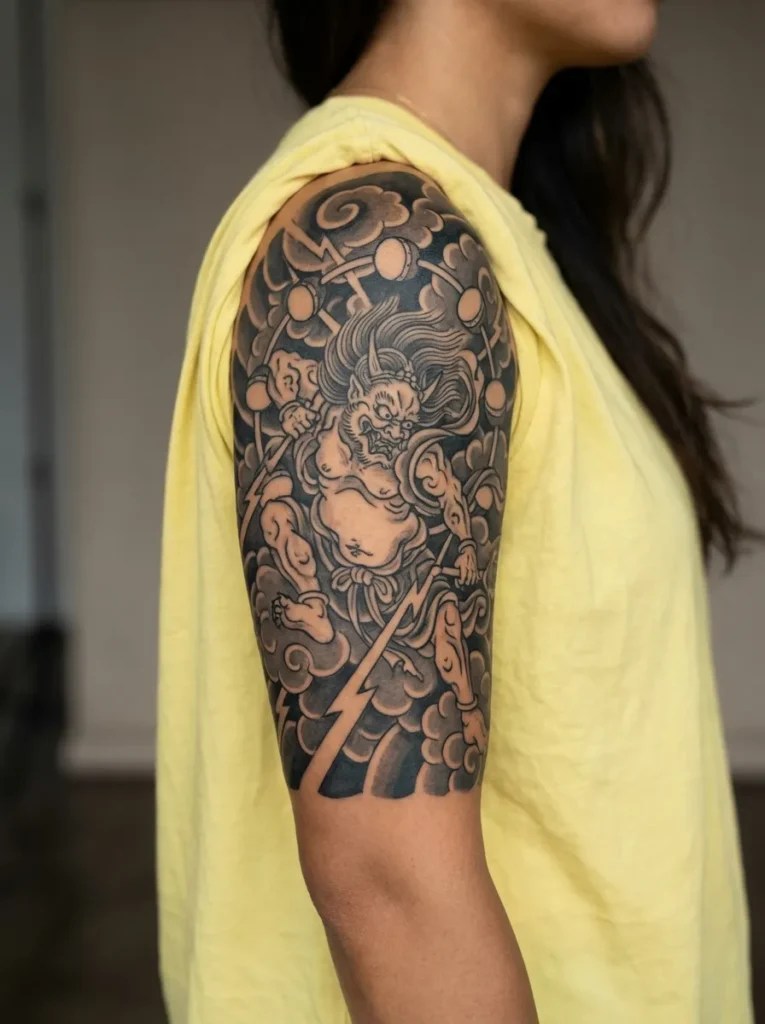
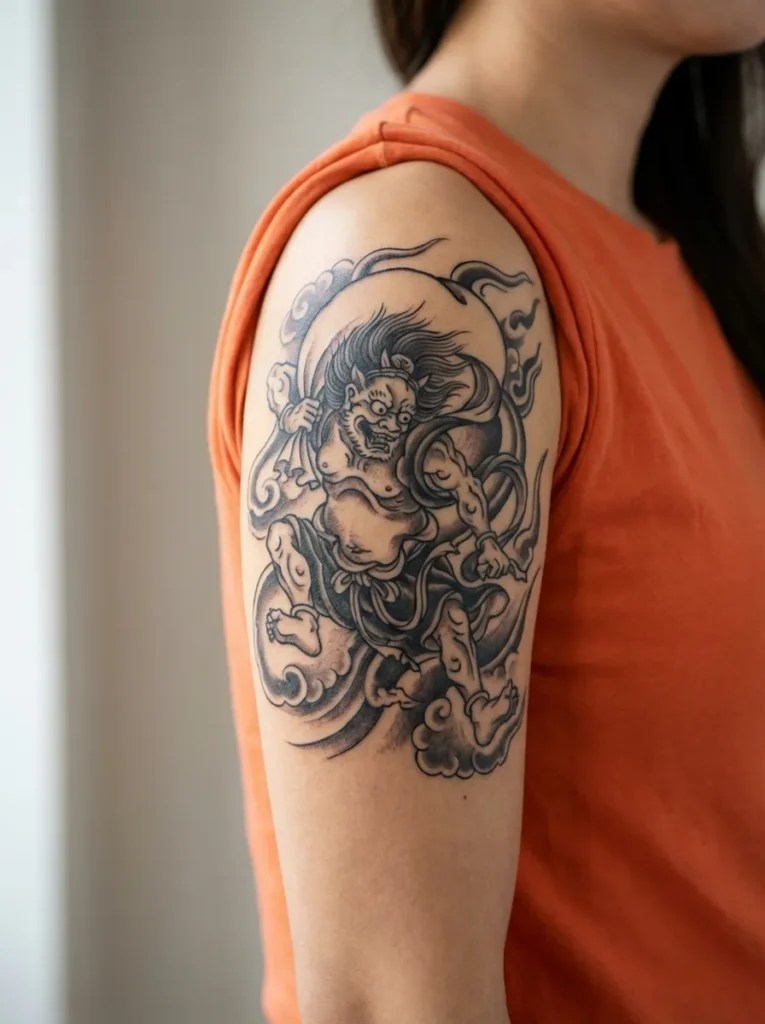
Raijin, the thunder god, and Fujin, the wind god, are powerful elemental deities often depicted together in dynamic, energetic compositions. Raijin is typically shown with drums, creating thunder, while Fujin carries a large bag of wind. They represent the raw, untamed forces of nature, embodying both destructive and creative power.
A tattoo featuring Raijin or Fujin can symbolize resilience, dynamism, and the ability to weather life's storms. For some, it signifies embracing change and the powerful cycles of destruction and renewal. These japanese god tattoo designs are for those who identify with primal energy and immense strength.
Kannon: The Bodhisattva of Compassion
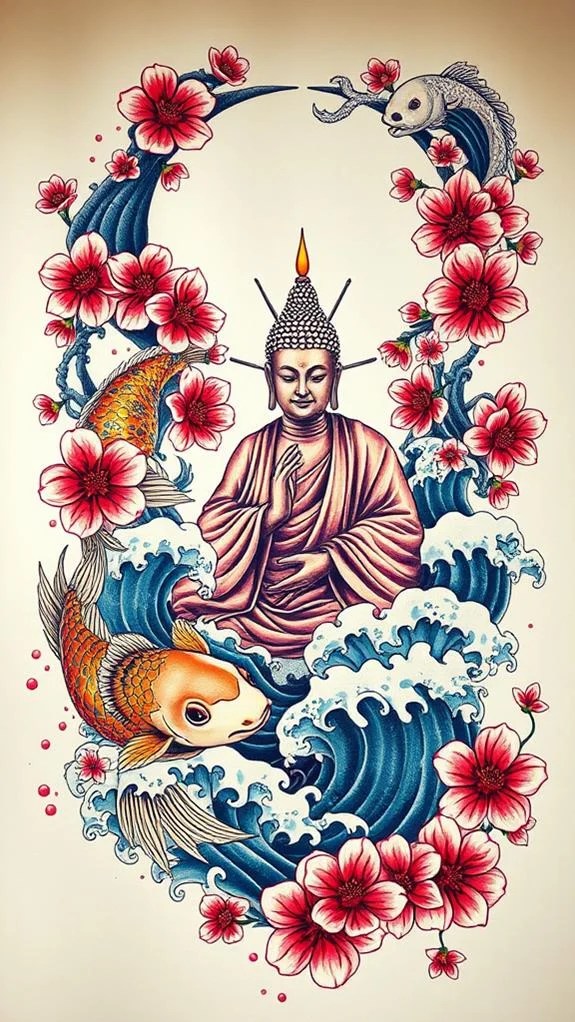
Kannon, or Avalokiteshvara, is revered as the Bodhisattva of Compassion, renowned for her boundless mercy and healing touch. Often depicted with multiple arms or heads, she listens to the cries of the world and offers solace. Her serene presence provides comfort and spiritual guidance to those in need.
A Kannon tattoo is a deeply spiritual choice, representing empathy, healing, and universal love. It often serves as a reminder to practice compassion, both for oneself and for others. This divine figure appeals to individuals seeking peace, spiritual awakening, and a connection to altruistic virtues.
| Deity | Primary Symbolism | Common Associations |
|---|---|---|
| Fudo Myoo | Protection, Immovable Resolve | Strength, Vanquishing Evil, Steadfastness |
| Benzaiten | Creativity, Flow, Wealth | Arts, Music, Eloquence, Good Fortune |
| Raijin/Fujin | Elemental Power, Nature's Force | Dynamic Energy, Resilience, Renewal |
| Kannon | Compassion, Mercy, Healing | Spiritual Guidance, Love, Inner Peace |
Designing Your Japanese God Tattoo
Selecting the right japanese god tattoo is a deeply personal process, going beyond just picking a cool image. It’s about finding a deity whose story and attributes resonate with your own life experiences or aspirations. Think about what qualities you admire or what challenges you're overcoming. Your tattoo can become a constant source of inspiration and personal strength.
Consider the aesthetic style as well; traditional Irezumi uses specific techniques that enhance the impact of these divine figures. Look at how different artists render the same deity. The color palette, background elements like clouds or water, and even the posture of the god can dramatically alter its message. This attention to detail ensures your tattoo truly tells your story.
Many individuals spend significant time researching various deities, comparing their lore and common artistic representations. This careful exploration helps to clarify which god or goddess truly speaks to their soul. It's an investment in both art and personal meaning. Don't rush this vital decision.
Finally, visualize where on your body this significant piece will live. The placement can amplify the tattoo’s meaning, for instance, a protective deity on an arm or back. Discuss these ideas with your chosen artist, as their expertise can guide you in achieving a harmonious and powerful design that feels right.
| Selection Factor | Key Consideration | Benefit to Wearer |
|---|---|---|
| Personal Resonance | Align deity's traits with your values/goals. | Deepens personal connection and meaning. |
| Artistic Style | Opt for traditional Irezumi aesthetics. | Ensures cultural authenticity and visual impact. |
| Symbolic Elements | Include relevant background details (water, clouds). | Enriches the narrative and symbolism of the tattoo. |
| Body Placement | Choose location that enhances deity's power. | Optimizes visual flow and personal significance. |
The Artistry and Cultural Significance
The artistry behind a japanese god tattoo is a legacy itself, rooted in centuries of Irezumi tradition. These intricate works are not merely pictures; they are hand-drawn narratives on skin, demanding incredible skill and patience from the artist. Every detail, from a deity’s facial expression to the folds in their robes, contributes to the overall power and message of the piece.
Culturally, these tattoos hold immense significance, connecting wearers to ancient Japanese folklore and spiritual practices. They were historically worn by samurai, firefighters, and laborers, symbolizing bravery, protection, and community identity. While modern perceptions have shifted, the deep cultural reverence for these divine figures remains, making every tattoo a tribute to heritage.
Choosing an artist experienced in traditional Japanese tattooing is paramount. Their understanding of iconography, composition, and the proper flow of the design across the body ensures authenticity and respect for the tradition. A truly skilled artist transforms a concept into a living masterpiece, honoring both the deity and the wearer’s journey.
| Artistic Element | Cultural Role | Impact on Tattoo |
|---|---|---|
| Irezumi Techniques | Preserves traditional Japanese art forms. | Ensures authentic, visually stunning depiction. |
| Iconography | Maintains historical accuracy of deity representation. | Conveys clear, recognizable divine meaning. |
| Composition | Creates dynamic flow and narrative on the body. | Enhances visual appeal and symbolic power. |
| Artist Expertise | Upholds cultural respect and artistic integrity. | Delivers a high-quality, meaningful piece. |
Practical Steps for Your Japanese God Tattoo
Before committing to a japanese god tattoo, thorough research is non-negotiable. Beyond choosing the deity, you'll want to find an artist who specializes in traditional Japanese work and has a strong portfolio. Their experience with the specific style, scale, and cultural nuances can make all the difference in the final result. Don't hesitate to consult with multiple artists to find the best fit.
Remember that traditional Japanese tattoos, especially those depicting gods, often require significant time and financial investment. These are usually large, multi-session pieces that demand dedication. Plan for the commitment involved, including multiple sittings and diligent aftercare to ensure your tattoo heals beautifully and retains its vibrant detail for years to come.
Finally, think about the cultural context and how you want to represent these powerful symbols. While tattoos have become more mainstream, understanding the history and respectful portrayal of Japanese deities is vital. Wear your art with pride and an informed perspective, appreciating the deep cultural stories it tells. This respect truly honors the tradition.
- Research Artists: Seek out specialists in traditional Irezumi.
- Understand the Commitment: Prepare for multiple sessions and costs.
- Plan Aftercare: Follow artist instructions for proper healing.
- Cultural Sensitivity: Respect the meaning and history of your chosen deity.
- Placement Strategy: Discuss optimal body location with your artist.
- Personal Connection: Ensure your chosen god resonates deeply with you.
Frequently Asked Questions About Japanese God Tattoos
Many questions arise when people consider getting a japanese god tattoo, from symbolism to practicalities. This section addresses some of the most common queries, providing direct insights into these magnificent and meaningful designs. We aim to clarify common concerns and offer guidance for prospective enthusiasts.