








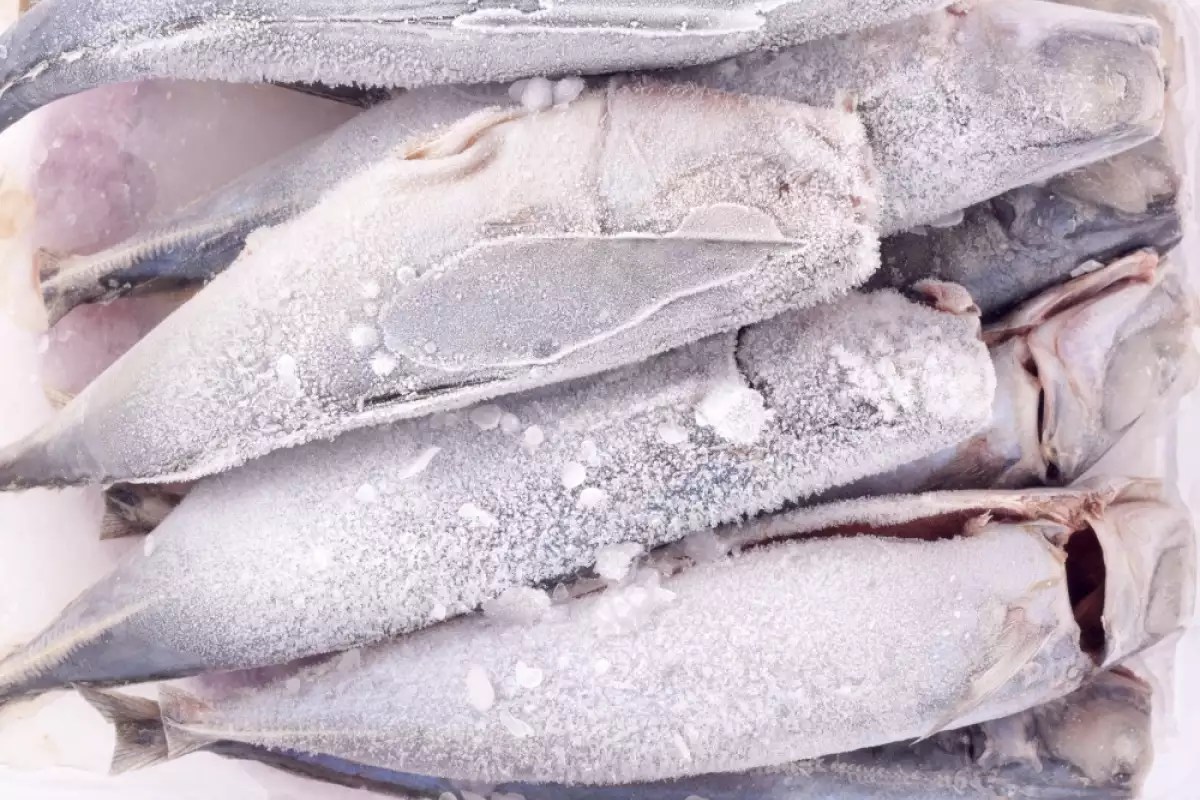


Safely defrosting fish at home is a common concern for many American cooks, ensuring your meal is both delicious and safe to eat. When you're ready to transform that frozen fillet into a fantastic dish, picking the right thawing method makes all the difference.
The goal isn't just to get it unfrozen; it's about doing it correctly to prevent bacterial growth and maintain the fish's delicate texture. Let's walk through the best ways to prepare your frozen fish for a perfect culinary experience.
| Method | Time Required | Best For | Safety Notes |
|---|---|---|---|
| Refrigerator Thawing | Slowest (hours to overnight) | Large fillets, whole fish, planning ahead | Safest method, maintains quality |
| Cold Water Thawing | Moderate (30 mins to 1 hour per pound) | Smaller portions, quick meals | Must be in sealed bag, water changed often |
| Microwave Defrosting | Fastest (minutes) | Immediate cooking, smaller pieces | Can partially cook, cook immediately after |
| Cooking from Frozen | No defrosting time | Thinner fillets, convenience | Adds cooking time, not suitable for all recipes |
What's the Safest Way to Defrost Fish?
The safest approach to defrosting fish typically involves using your refrigerator. This method requires planning ahead, as it can take several hours or even overnight for the fish to fully thaw. Simply transfer your frozen fish from the freezer to a plate or shallow dish in the fridge.
Keeping it covered helps prevent any cross-contamination with other foods. This slow, controlled thaw ensures the fish remains at a consistently safe temperature, well below the bacterial "danger zone." It also helps maintain the fish's delicate texture and flavor, leading to a better final dish.
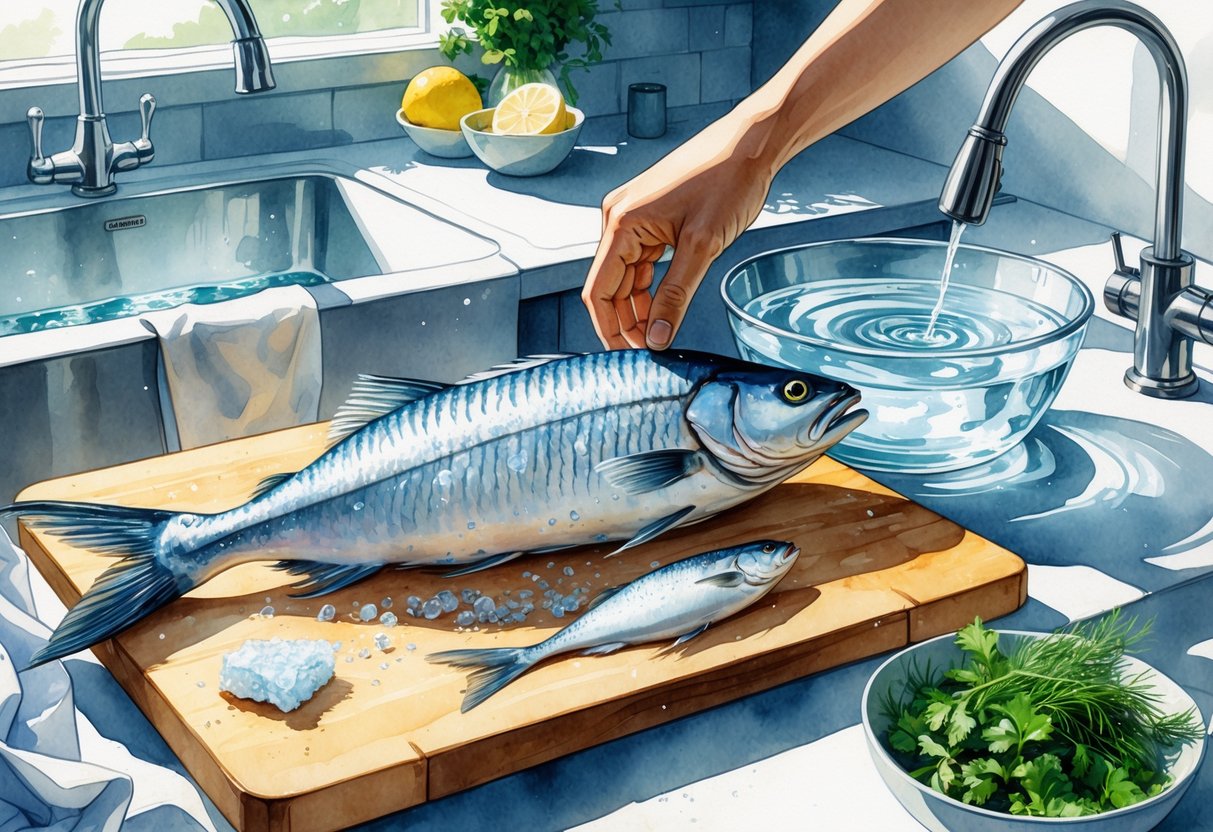
For those times you need fish ready a bit faster, cold water thawing is an excellent alternative. Place your frozen fish in a watertight plastic bag, ensuring no water can get in. Submerge the sealed bag in a bowl of cold tap water.
You’ll need to change the water every 30 minutes to keep it cold and ensure continuous thawing. This method is much quicker than refrigeration, often taking just an hour or so for most cuts of fish. Always cook fish immediately after thawing with this method.
| Thawing Aspect | Refrigerator | Cold Water | Microwave |
|---|---|---|---|
| Texture Preservation | Excellent | Good | Fair (can be uneven) |
| Flavor Retention | Excellent | Good | Fair |
| Bacterial Safety | Highest | Very High (if done right) | High (cook immediately) |
| Convenience | Low (needs planning) | Medium | High (quick) |
Can I Defrost Fish in the Microwave?
Yes, you can defrost fish in the microwave, but it's often a last resort and needs careful attention. Use the defrost setting on your microwave and check the fish frequently. The goal is to thaw it just enough so it's no longer frozen solid, not to cook it.
Microwaves can sometimes cook the edges of the fish while the center remains frozen. This uneven heating can affect texture and quality. If using the microwave, always plan to cook the fish immediately after thawing to prevent bacterial growth.
Another option, especially for thinner fillets, is cooking from frozen. This method skips the defrosting step entirely, saving you time. Just be sure to adjust your cooking time, typically increasing it by about 50% compared to thawed fish. This works well for baking, steaming, or pan-frying thin cuts.
| Mistake | Why It's Bad | Safe Alternative |
|---|---|---|
| Room Temperature Thawing | Rapid bacterial growth | Refrigerator or cold water |
| Hot Water Thawing | Damages texture, promotes bacteria | Cold water only |
| Leaving Fish Uncovered | Cross-contamination risk | Always use sealed bag or covered dish |
| Refreezing Thawed Fish | Quality loss, potential safety issue | Cook it first, then refreeze if desired |
How to Defrost Fish Safely for US Consumers
What are the official US guidelines for defrosting fish?
The U.S. Food and Drug Administration (FDA) recommends thawing fish in the refrigerator, under cold running water, or in the microwave immediately before cooking. Never thaw fish at room temperature, as this allows bacteria to multiply rapidly on the surface while the center remains frozen. Always cook fish promptly after thawing by any method other than refrigeration.
These guidelines are in place to minimize the risk of foodborne illness, which can be a serious concern for American households. Following these clear instructions ensures your fish remains safe to eat, protecting your family from potential health issues. You can always check the latest food safety information on the FDA website for specific recommendations on seafood handling and consumption.
Understanding these federal recommendations helps you make informed decisions in your kitchen. It's not just about getting dinner on the table; it's about doing it responsibly. The FDA's advice is designed to be easily followed by anyone, from novice cooks to seasoned home chefs across the United States, providing a reliable standard for food preparation.
Practical Tips for Thawing Fish in Your US Kitchen
When you're working in your American kitchen, knowing a few simple tricks can make the process of how to defrost fish effortless and efficient. For starters, always ensure your fish is completely sealed in an airtight, freezer-safe plastic bag before placing it in water. This critical step prevents water from seeping in, which could lead to a waterlogged, mushy texture and compromise the fish's natural flavor.
If you're planning a meal for later in the week, refrigerator thawing is truly your best friend. Just toss the frozen fish onto a plate and into the fridge the night before your cooking day. This passive method allows the fish to thaw slowly and evenly, ensuring it’s perfectly defrosted and ready to go when you are, taking all the guesswork out of meal prep for busy US households.
Remember, the thicker the fish fillet, the longer it will naturally take to defrost, regardless of the method you choose. A thin flounder fillet might thaw in a mere hour using the cold water method, while a hefty tuna steak could easily require several hours, or even a full day, in the refrigerator. Always adjust your thawing time based on the specific size and cut of your fish to achieve optimal results.
Once your fish is completely thawed, make sure to pat it thoroughly dry with paper towels before you begin cooking. Removing any excess surface moisture is key to achieving a beautiful, golden-brown sear if you're pan-frying or grilling, rather than inadvertently steaming the fish. This small step significantly enhances both the texture and overall appeal of your finished dish, a common practice among professional US chefs.
If you find yourself in a pinch and need to cook fish right away, perhaps you forgot to thaw it overnight, don't despair! Many types of fish, especially thinner fillets like cod, salmon, or tilapia, can be cooked quite successfully directly from frozen. Just expect to extend your cooking time by approximately 50% compared to thawed fish. This is a fantastic workaround when time is short, ensuring a delicious and healthy meal isn't out of reach for any American family.
Common Mistakes When You Defrost Fish and How to Avoid Them
Understanding potential missteps is just as important as knowing the correct procedures when you how to defrost fish. Many home cooks, often in a hurry, fall prey to common errors that can compromise both the safety and quality of their seafood. Recognizing these pitfalls allows you to sidestep them, ensuring a superior meal every time.
One prevalent mistake is attempting to thaw fish at room temperature. While it might seem convenient, this practice rapidly brings the fish's exterior into the bacterial danger zone (between 40°F and 140°F) long before the interior is defrosted. This provides a perfect breeding ground for harmful microorganisms, making your fish potentially unsafe. Always opt for refrigeration or cold water for safety.
Another common error involves using hot water to speed up the thawing process. This is a definite no-go. Hot water not only accelerates bacterial growth but also begins to cook the delicate proteins on the surface of the fish, leading to an unpleasant, mushy, or rubbery texture. Stick strictly to cold water when using the rapid thawing method to preserve both safety and quality.
Failing to keep fish covered or sealed during thawing, especially in the refrigerator, is another mistake. An uncovered piece of fish can absorb odors from other foods and, more importantly, poses a risk of cross-contamination if any drips onto other items. Always use a sealed bag for cold water thawing and a covered dish for refrigerator thawing to protect both your fish and other edibles.
Lastly, incorrectly refreezing thawed fish is a significant concern. While fish thawed properly in the refrigerator can sometimes be refrozen with some quality loss, fish thawed by cold water or microwave should always be cooked before refreezing. Refreezing improperly thawed fish significantly increases bacterial risk and degrades the texture, leading to a disappointing culinary experience for the consumer.
Can you defrost fish in hot water?
No, you should never defrost fish in hot water, as it poses significant food safety risks and ruins the texture. Thawing fish in hot water quickly brings the surface temperature into the "danger zone" (between 40°F and 140°F), where harmful bacteria can multiply rapidly. This method also damages the fish's delicate proteins, resulting in a mushy texture and loss of flavor. Always use cold water for faster thawing methods to protect both your health and the quality of your meal.
Resist the urge to speed things up with hot water; it invariably does more harm than good for American home cooks. The goal is a slow, even thaw or a quick, safe one, but never one that compromises food integrity. Compromising on temperature can compromise your health and the overall quality of your seafood dish, making the meal unenjoyable or even unsafe.
Is it safe to refreeze fish after thawing?
It's generally not recommended to refreeze fish that has been fully thawed unless it was thawed safely and slowly in the refrigerator. If fish was thawed in the refrigerator and kept continuously below 40°F, it can be safely refrozen, though be prepared for some loss in quality, particularly texture. However, fish thawed quickly in cold water or in the microwave should always be cooked immediately and not refrozen raw, to minimize bacterial risks.
Refreezing fish that wasn't thawed properly, or has been left at room temperature, significantly increases the risk of bacterial growth and potential foodborne illness. For the best outcome and utmost safety, if you've thawed fish using a quick method, cook it up first. You can then safely refreeze the cooked fish for later enjoyment, making meal prep much more flexible for busy US households.
Next Steps: Cooking Your Perfectly Thawed Fish
Once your fish is safely defrosted using one of the recommended methods, you've successfully navigated the preliminary steps and are now ready for the best part: cooking it! Whether you plan to bake, grill, pan-sear, or poach, a properly thawed piece of fish is the fundamental foundation of a fantastic, flavorful meal that will impress your family and friends.
To ensure the best possible culinary outcome, always remember to thoroughly pat your fish dry with paper towels to remove any excess surface moisture before you introduce it to heat. This simple yet crucial step helps achieve a beautiful, crispy sear if you're pan-frying or grilling, preventing the fish from steaming in its own juices. A dry surface means better browning and more intense flavor.
Season your fish generously with your favorite herbs, spices, and a touch of salt and pepper. Don't be shy with flavorings; good seasoning can elevate even the simplest fish preparation. Now, you’re equipped with the knowledge and confidence to transform that frozen catch into a restaurant-quality dish right in your own American kitchen, consistently delivering delicious and safe meals for every occasion.
Ready to try out these proven methods and master how to defrost fish like a pro? Head to your local grocery store's frozen seafood section or check out reputable online retailers for a wide selection of fish. With these techniques under your belt, you'll ensure optimal taste, texture, and safety for all your future seafood endeavors. Enjoy the culinary journey!