






Understanding how to take Paxlovid correctly is a key step in managing COVID-19 effectively. This antiviral medication, when started early, can significantly reduce your risk of severe illness, hospitalization, and even death. It’s designed to help your body fight off the virus, offering a crucial lifeline for many individuals.
In the United States, Paxlovid is a widely available treatment option, but knowing the precise steps for its administration is vital. This guide provides a straightforward, easy-to-follow breakdown of everything from dosage and timing to who qualifies for the treatment, ensuring you have all the information to navigate your recovery confidently.
| Key Aspect | Details for Taking Paxlovid |
|---|---|
| Purpose | Reduces severe COVID-19 illness risk |
| Eligibility | Positive COVID test, mild-moderate symptoms, high-risk factors |
| Dosage | Two nirmatrelvir tablets, one ritonavir tablet, twice daily for 5 days |
| Timing | Start within 5 days of symptom onset |
| Common Mistakes | Missing doses, stopping early, ignoring drug interactions |
| Availability | Prescription required, widely accessible in US pharmacies |
Paxlovid is an oral antiviral treatment approved for emergency use in the US to combat COVID-19. It combines two different medications: nirmatrelvir and ritonavir. Nirmatrelvir works by blocking a key enzyme the virus needs to replicate itself. Ritonavir then helps to boost nirmatrelvir levels in your body, allowing it to work more effectively over a longer period.
This medication is primarily for individuals who have tested positive for COVID-19 and are experiencing mild to moderate symptoms. Crucially, it's intended for those at high risk of progression to severe COVID-19. This includes older adults or people with certain underlying health conditions that make them more vulnerable. Getting a prescription quickly after symptom onset is important.
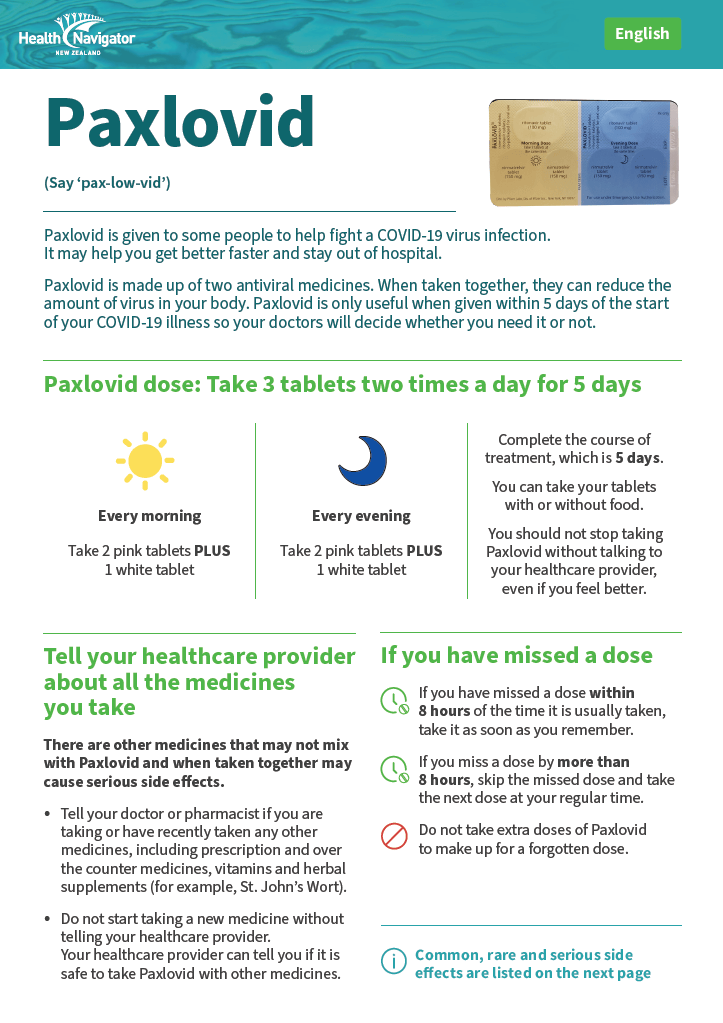
When you start Paxlovid, you'll take a dose twice a day for a total of five days. Each dose involves taking two pink nirmatrelvir tablets along with one white ritonavir tablet. It's essential to take all three tablets together at the same time. Try to space your doses out by roughly 12 hours for optimal effect, like morning and evening.
Adhering to the full five-day course is critical, even if you start feeling better sooner. Stopping early can allow the virus to rebound, potentially leading to a return of symptoms or even a more prolonged illness. Always finish the prescribed treatment course to give your body the best chance to recover. Don't second-guess your doctor's instructions.
| Insight Category | Important Detail |
|---|---|
| Mechanism | Nirmatrelvir targets viral replication, Ritonavir boosts it |
| Target Audience | High-risk individuals with mild-moderate COVID-19 |
| Dosing Schedule | Three pills per dose, twice daily for five days |
| Treatment Adherence | Complete the full course to prevent viral rebound |
| Timing is Key | Start within five days of symptom onset for best results |
Eligibility for Paxlovid isn't universal; specific criteria must be met to receive a prescription in the United States. You need a positive COVID-19 test result, either a lab test or a home antigen test. Additionally, you must be experiencing mild to moderate COVID-19 symptoms. Importantly, you must also be considered at high risk for developing severe COVID-19, which often includes age over 65 or certain chronic medical conditions.
Regarding costs, Paxlovid has been made available through various government programs in the past. While initial supplies were federally procured, the landscape for prescription costs may vary. It's always best to check with your insurance provider or pharmacist about current pricing and any potential out-of-pocket expenses. Some programs might still help reduce or eliminate costs, so inquire about those options.
Getting a prescription typically involves consulting a healthcare provider, who can assess your eligibility and current health status. This could be your primary care physician, an urgent care clinic, or even through telehealth services. Many pharmacies also offer "Test to Treat" programs, allowing you to get tested and prescribed Paxlovid in one visit. Act fast, as the five-day window for starting treatment is tight.
| Eligibility Factor | Description |
|---|---|
| Positive Test | Required (PCR or antigen) |
| Symptom Severity | Mild to moderate COVID-19 |
| Risk Level | High risk for severe disease progression |
| Prescription Access | Doctor, urgent care, telehealth, Test to Treat sites |
| Cost Implications | Varies; check insurance and programs |
Who Should Consider Taking Paxlovid for COVID-19?
Eligibility Criteria in the US
Understanding who qualifies for Paxlovid is paramount, as it's not a general-purpose medication for everyone with COVID-19. Healthcare providers carefully evaluate each patient's situation against specific guidelines. A positive COVID-19 test is the non-negotiable first step, confirming the presence of the virus in your system.
Beyond the positive test, you need to be experiencing mild to moderate symptoms. This means you might feel unwell, but you’re not severely ill enough to require hospitalization for oxygen support. Paxlovid is a tool to prevent severe illness, not to treat it once it has already escalated to that point.
Crucially, you must also be at high risk for progressing to severe COVID-19. This is where your personal health history comes into play. Factors like age, existing medical conditions, or immune status all weigh into this determination. Always discuss your full medical background with your doctor to ensure a comprehensive assessment.
High-Risk Factors Explained
When doctors talk about "high risk," they're referring to several specific conditions or demographics that make individuals more vulnerable to severe COVID-19. Age is a significant factor; typically, adults over 60 or 65 fall into this category. The body’s immune response can weaken with age, making it harder to fight off the virus effectively.
Chronic medical conditions also play a huge role. Conditions such as heart disease, lung disease, diabetes, obesity, kidney disease, or certain cancers increase your risk. These underlying health issues can compromise your body's ability to cope with a viral infection, making Paxlovid a beneficial preventative measure.
Immunocompromised individuals, whether due to medications or conditions like HIV, are also prime candidates for Paxlovid. Their weakened immune systems struggle to mount a robust defense against the virus. Getting this antiviral early can offer crucial support. Your doctor will assess all these elements during your consultation.
When to Act Fast
The effectiveness of Paxlovid hinges significantly on timely administration. You need to start the treatment within five days of your COVID-19 symptoms first appearing. This narrow window means quick action is absolutely essential once you receive a positive test result and experience symptoms.
Don't wait to see if your symptoms worsen before contacting a healthcare provider. As soon as you suspect COVID-19 and get a positive test, reach out to your doctor or a telehealth service immediately. Explain your situation and express your interest in Paxlovid. Every hour counts in maximizing the drug's benefit.
Remember, the goal is to stop the virus from replicating extensively before it can cause significant damage. Missing that five-day window drastically reduces the antiviral's ability to prevent severe outcomes. Be proactive about your health; an early conversation can make all the difference in your recovery trajectory.
Step-by-Step Guide: How to Take Paxlovid Properly
Your Daily Dosage Schedule for Paxlovid
Taking Paxlovid correctly involves a precise schedule over five days. Each dose consists of three pills: two pink nirmatrelvir tablets and one white ritonavir tablet. You must take all three of these tablets together as a single dose, twice a day. Consistency is the name of the game here for optimal results.
It’s best to establish a routine that helps you remember your doses. Many people find taking one dose in the morning and another in the evening works well, aiming for approximately 12 hours between doses. For example, if you take your first dose at 8 AM, aim for your second dose around 8 PM. This keeps the medication levels stable in your system.
You can take Paxlovid with or without food, so pick the option that fits your daily rhythm best. Some individuals prefer taking it with a meal to avoid any potential stomach upset. The most important thing is to take your medication reliably every single day for the entire five-day course, without interruption.
Important Timing Considerations for Paxlovid
The crucial timing rule for Paxlovid isn't just about your daily schedule; it's also about when you start the treatment relative to your symptom onset. As discussed, you need to initiate therapy within five days of your COVID-19 symptoms first appearing. This early intervention is what makes the drug most effective.
This strict window means that once you have a positive test, you need to seek medical advice quickly. Delaying treatment beyond this period significantly reduces Paxlovid's ability to prevent severe disease. Think of it like putting out a small fire; it’s much easier to extinguish early than after it's spread.
If you're unsure about your symptom start date, consult your healthcare provider. They can help you determine if you are still within the optimal treatment window. Don't guess; getting this timing right is a critical factor in how well Paxlovid will work for your recovery.
What to Do if You Miss a Dose of Paxlovid
Missing a dose of Paxlovid can happen, but knowing how to handle it is crucial. If you realize you missed a dose and it’s been less than eight hours since your regularly scheduled time, take the missed dose as soon as you remember. Then, continue with your next dose at its usual time.
However, if it's been more than eight hours since you were supposed to take your dose, do not take the missed dose. Instead, simply skip that dose and take your next dose at its regularly scheduled time. Never double up on doses to make up for a missed one; this could lead to increased side effects.
It’s always a good idea to contact your doctor or pharmacist if you miss a dose, especially if you're unsure what to do. They can provide specific guidance tailored to your situation and ensure you stay on track with your treatment plan. Maintaining consistent medication levels is important for fighting the virus.
Common Paxlovid Mistakes to Avoid
Skipping Doses or Stopping Early with Paxlovid
One of the most frequent errors people make when taking Paxlovid is either skipping doses or discontinuing the medication before the full five-day course is complete. It's tempting to stop once you start feeling better, but this can have serious consequences. The virus might still be active, and cutting treatment short can give it a chance to rebound.
A viral rebound means your symptoms could return, sometimes even worse than before. This happens because the medication stops suppressing the virus, allowing it to multiply rapidly again. Sticking to the full five-day regimen ensures the antiviral has enough time to thoroughly reduce the viral load in your body, giving you a better shot at lasting recovery.
Think of it like an antibiotic course; you wouldn't stop taking it just because your fever broke. Completing the full prescription is vital for eradicating the infection. Set reminders on your phone or use a pill organizer to stay on schedule and avoid these common pitfalls in how to take Paxlovid effectively.
Overlooking Drug Interactions with Paxlovid
Paxlovid has a reputation for significant drug interactions, and failing to inform your doctor about all your medications is a major mistake. Ritonavir, one of the components, can affect how your liver processes other drugs. This can lead to dangerously high or low levels of co-administered medications, potentially causing severe side effects or rendering other treatments ineffective.
Common culprits for interactions include certain cholesterol-lowering statins, blood thinners, immunosuppressants, medications for heart conditions, and even some over-the-counter supplements. Your doctor needs a complete and accurate list of everything you're taking, including herbal remedies and recreational drugs. Don't hold back any details.
In some cases, your doctor might adjust the dosage of your other medications, temporarily pause them, or even opt for an alternative COVID-19 treatment. This careful management is crucial for your safety. Always be upfront with your healthcare team to prevent adverse events. It's a critical part of how to take Paxlovid safely.
Ignoring Dietary Guidelines for Paxlovid
While Paxlovid can be taken with or without food, there are specific dietary considerations that some people overlook, particularly regarding grapefruit products. Grapefruit and grapefruit juice can interfere with the ritonavir component of Paxlovid, potentially increasing the drug's levels in your body. This can lead to unwanted side effects.
It's generally advised to avoid grapefruit and grapefruit juice entirely while taking Paxlovid and for a short period afterward. This might seem like a small detail, but it's an easy one to miss if you're not paying attention. Always check the medication instructions and discuss any dietary concerns with your pharmacist or doctor.
Beyond grapefruit, maintaining good hydration and a balanced diet can support your overall recovery. While not directly interacting with Paxlovid, nourishing your body helps it fight off infection and recover strength. Listen to your body and prioritize rest alongside your medication regimen. These small steps add up to a better recovery experience.
Managing Side Effects and What to Expect with Paxlovid
Taste Alterations and Other Mild Symptoms
Many individuals taking Paxlovid report a distinct change in their sense of taste, often described as a bitter or metallic flavor. This "Paxlovid mouth" is a common, though usually temporary, side effect. It can be a nuisance, making food less appealing, but it typically resolves shortly after completing the treatment course.
Other mild side effects might include diarrhea, nausea, or muscle aches. These are generally manageable and tend to be less severe than COVID-19 symptoms themselves. Staying hydrated, eating bland foods if needed, and resting can help alleviate these discomforts. Most people find the benefits of taking Paxlovid outweigh these temporary annoyances.
If you experience any new or worsening symptoms that concern you, don't hesitate to reach out to your healthcare provider. While many side effects are mild, it’s always better to get professional advice. Your doctor can offer strategies to manage symptoms or confirm if what you’re experiencing is expected. Knowing how to take Paxlovid also means understanding its potential impacts.
When to Contact Your Doctor About Paxlovid
While most side effects from Paxlovid are mild, certain symptoms warrant immediate medical attention. If you experience signs of an allergic reaction, such as a rash, hives, swelling of the face, lips, tongue, or throat, or difficulty breathing, seek emergency care right away. These are serious and require urgent intervention.
You should also contact your doctor if you develop severe nausea, vomiting, or diarrhea that leads to dehydration, or if you notice any signs of liver problems like yellowing of the skin or eyes (jaundice), dark urine, or unusual fatigue. These could indicate more significant issues that need to be addressed promptly.
Any chest pain, palpitations, or severe dizziness should also prompt a call to your healthcare provider. Trust your gut; if something feels seriously wrong or concerning, don't delay in reaching out. Your medical team is there to help guide you safely through your treatment and manage any unexpected developments.
Understanding Viral Rebound After Taking Paxlovid
A phenomenon known as "viral rebound" has been observed in some individuals after completing their Paxlovid course. This is when COVID-19 symptoms return or worsen after initial improvement, often accompanied by a positive viral test again. It's important to know this can occur, though it doesn't necessarily mean the treatment failed.
Experts are still studying why viral rebound happens, but it appears to be a natural course of the infection for some, even without Paxlovid. The good news is that rebound symptoms are generally milder than the initial infection and rarely lead to severe outcomes. Most people recover without additional treatment.
If you experience a viral rebound, it's crucial to isolate yourself again to prevent further spread of the virus. Contact your doctor to discuss your symptoms and determine if any further steps are needed. Understanding this possibility helps manage expectations and ensures you continue to protect others around you.
Cost, Access, and Next Steps for Paxlovid
Navigating Prescription Costs for Paxlovid
The cost landscape for Paxlovid has evolved since its initial emergency authorization. Initially, the federal government covered the full cost for eligible individuals in the US. However, as of late, the responsibility for coverage has largely shifted to insurance providers. This means your out-of-pocket expenses might vary significantly.
It's always a smart move to contact your health insurance provider before filling your prescription. Inquire about your specific coverage for Paxlovid and any co-pays or deductibles you might be responsible for. Some manufacturers or government programs may still offer patient assistance programs to help reduce costs for those who qualify.
Don't let potential costs deter you from seeking treatment. Discuss any financial concerns openly with your doctor or pharmacist. They can often provide information on available programs or suggest alternative paths to access the medication if cost is a significant barrier. Prioritizing your health is key here.
Where to Get Paxlovid in the US
Accessing Paxlovid in the United States typically begins with a prescription from a licensed healthcare provider. This could be your primary care doctor, a physician at an urgent care clinic, or through a telehealth consultation. Many online platforms now connect you with doctors who can prescribe Paxlovid if you meet the criteria.
Additionally, the "Test to Treat" initiative remains a convenient option for many. These sites, often located at pharmacies or community health centers, allow you to get tested for COVID-19 and, if positive and eligible, receive a Paxlovid prescription on the same visit. This streamlines the process and ensures timely treatment.
To find a "Test to Treat" location near you or to identify pharmacies stocking Paxlovid, you can often check official government health websites or use online pharmacy locators. Remember, prompt action is essential given the five-day treatment window. Knowing where to get Paxlovid efficiently is a huge part of effective treatment.
Your Next Actions After Reading This Guide
After absorbing this information on how to take Paxlovid, your next steps are clear and focused on timely action. If you test positive for COVID-19 and have symptoms, contact your healthcare provider immediately. Be prepared to discuss your symptoms, your health history, and all medications you currently take.
Ask your doctor if Paxlovid is appropriate for your situation, considering your risk factors and symptom onset. Don't hesitate to inquire about potential drug interactions or any specific dietary advice tailored to you. Getting these details sorted early can save you a lot of hassle and ensure your treatment is safe and effective.
Should you receive a Paxlovid prescription, pick it up promptly and begin treatment within the crucial five-day window. Follow all dosage instructions meticulously, complete the entire course, and monitor for any side effects. Staying informed and proactive is your best strategy for a swift and smooth recovery from COVID-19.