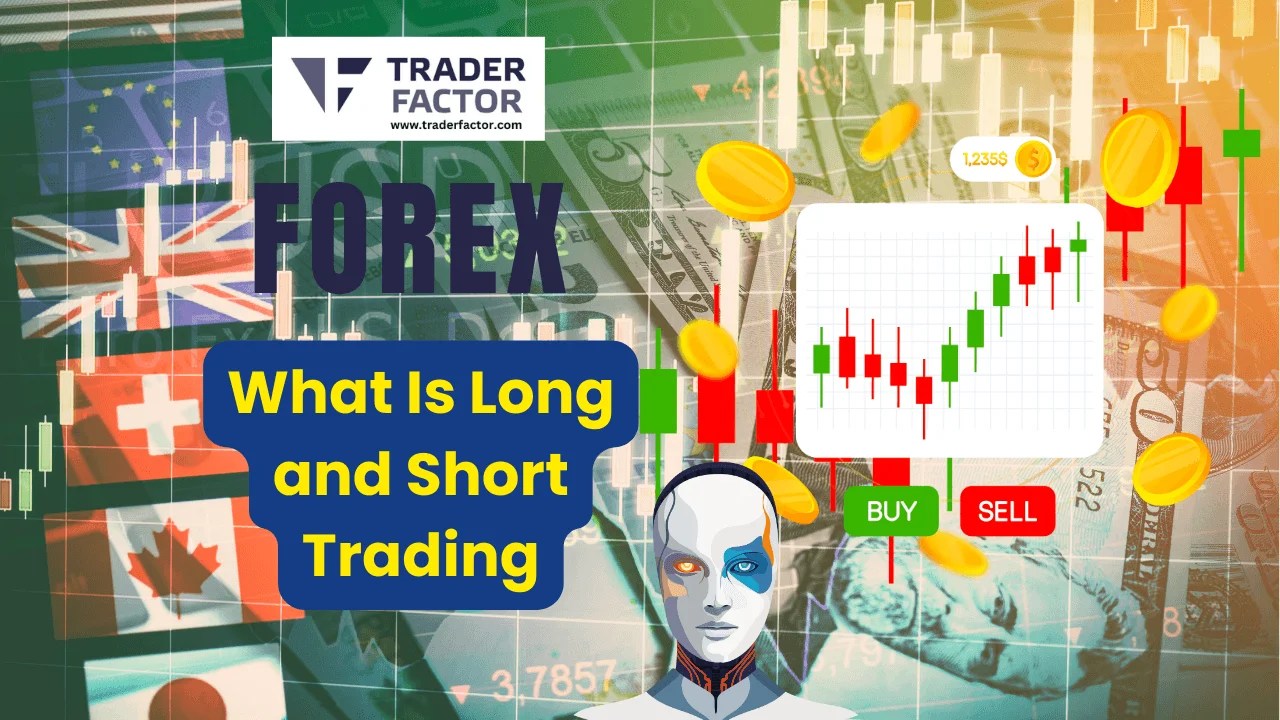
faq what does long and short mean in trading

What Do Long and Short Mean in Trading?

what does long and short mean in trading, long trading explained, short selling definition, trading strategies long short, market positions explained, how to trade long, how to trade short

Key highlights

long position trading, short selling explained, buying low selling high, profiting from market drops, bearish trading strategies, bullish trading strategies

Frequently asked questions

  • What is a long position in stock trading?

    A long position in stock trading means an investor has bought shares of a company, expecting their price to increase over time. This is a bullish strategy where the investor profits from selling the shares at a higher price than they bought them. It is the most common form of investment, reflecting confidence in the asset's future growth and performance.

  • How does short selling actually work?

    Short selling involves borrowing shares from a broker and immediately selling them on the open market. The hope is that the share price will drop, allowing the seller to buy them back at a lower price, return them to the broker, and profit from the difference. This strategy benefits from an asset's decline.

  • What are the risks of going long versus going short?

    Going long typically has limited risk, capped at the initial investment amount if the asset's price falls to zero. Going short, however, carries theoretically unlimited risk because an asset's price can rise indefinitely, meaning potential losses could far exceed the initial borrowed amount. Managing risk is crucial for both.

  • Why would someone choose to go short on an asset?

    Someone would choose to go short on an asset if they believe its price is overvalued and is likely to decline. This bearish outlook might be due to poor company performance, negative industry trends, or broader economic concerns. Traders use it to profit from market downturns or to hedge existing long positions against potential losses.

  • Is going long always less risky than going short?

    Generally, going long is considered less risky than going short. With a long position, your maximum loss is limited to the capital you invested. In contrast, a short position has theoretically unlimited loss potential if the asset's price keeps rising, forcing you to buy back at an increasingly higher cost.

  • Can long and short strategies be combined?

    Yes, long and short strategies can be effectively combined, often called a 'long-short strategy.' This typically involves taking long positions in assets expected to rise and short positions in assets expected to fall, often within the same sector. This approach aims to profit regardless of overall market direction and can be used to hedge portfolios.

Story

In the dynamic realm of financial markets, understanding core terminology is paramount. Two fundamental concepts that frequently arise are going long and going short. These terms define a trader's directional bet on an asset's price movement, forming the bedrock of countless investment strategies.

Grasping what does long and short mean in trading isn't just academic; it equips you with the crucial knowledge to navigate market volatility and identify opportunities whether prices are climbing or falling. It is about aligning your strategy with your market outlook, allowing you to potentially profit from any trend.

ConceptLong PositionShort Position
Market OutlookBullish (expects price rise)Bearish (expects price fall)
ActionBuy first, sell laterSell first (borrowed), buy back later
Profit PotentialTheoretically unlimitedLimited (to initial sale price)
Risk ExposureLimited (to initial investment)Theoretically unlimited
Primary GoalCapital appreciationCapital depreciation of asset

What Exactly Does Going Long Mean in Trading?

Going long in trading simply means purchasing an asset like stocks, bonds, or commodities with the expectation that its market value will appreciate over time. Traders buy at a lower price aiming to sell higher later, profiting from the upward movement. This strategy is fundamentally bullish, reflecting confidence in the asset's future growth potential. It is the most common and intuitive approach to market participation for investors and traders.

When you take a long position, you are essentially buying and holding an asset, becoming its owner. Your potential profit is theoretically unlimited as the asset's price could climb indefinitely. However, your maximum loss is limited to the initial capital invested if the price drops to zero.

This strategy aligns with traditional investing principles, where patience and belief in long-term economic growth often yield positive returns. Many portfolios are built predominantly on long positions across various asset classes. Understanding this core concept is fundamental to navigating financial markets effectively.

For instance, if you buy 100 shares of a company at $50 each and the price rises to $60, you profit $10 per share before commissions. This straightforward approach forms the backbone of wealth creation for countless individuals.

Insight for Long PositionsDetails
OwnershipYou own the underlying asset.
Market SentimentReflects a belief in growth.
Time HorizonCan be short-term or long-term.
Primary DriverExpectation of price appreciation.

Understanding What Going Short Means in Trading

Going short in trading involves selling an asset you do not currently own, with the anticipation that its price will fall, allowing you to buy it back later at a lower price. The profit comes from the difference between the higher selling price and the lower repurchase price. This strategy is fundamentally bearish, betting against an asset's future performance. It is a more complex maneuver than going long.

To short an asset, you typically borrow it from a broker and sell it on the open market. Later, if the price drops as expected, you repurchase the same number of shares and return them to the lender. Your potential profit is capped at the initial selling price, but losses can be theoretically unlimited if the price rises significantly.

Short selling is often employed by seasoned traders and hedge funds to capitalize on declining markets or to hedge existing long positions. It requires careful risk management due to the unlimited loss potential. Regulatory rules also apply, such as the uptick rule in some markets, to prevent market manipulation.

Insight for Short PositionsDetails
BorrowingYou borrow the asset to sell.
Market SentimentReflects a belief in decline.
ComplexityMore involved than long positions.
Primary DriverExpectation of price depreciation.

How Do Traders Decide Between Long and Short?

Traders decide between going long and short based on their market analysis and outlook for a specific asset. If technical indicators suggest an uptrend, or fundamental analysis points to strong earnings, a trader might choose a long position. Conversely, if a company shows weakening financials, or the overall market is in a downturn, short selling becomes an attractive option.

Economic news, geopolitical events, and industry-specific developments all play a role in shaping these decisions. Successful traders constantly evaluate these factors to form a directional bias. For example, a positive drug trial announcement for a pharmaceutical company could prompt many to go long, while news of an unexpected product recall might encourage short selling.

Risk tolerance also heavily influences the choice. Given the theoretically unlimited loss potential of short selling, many individual investors opt for the comparatively safer long positions. Understanding your own appetite for risk is as crucial as understanding market signals when deciding which strategy to employ.

The current year, 2026, presents a market environment constantly reacting to evolving global conditions. Traders are always adapting their strategies to capitalize on emerging trends, whether those point upward or downward. Staying informed is key.

What are the Risks Associated with Long and Short Trading?

While long positions offer straightforward risk management, losses can still accumulate if an asset's price declines unexpectedly. Market downturns, company specific bad news, or industry disruptions can erode capital. Diversification across various long positions helps mitigate individual asset risk but doesn't eliminate systemic market risk.

Short selling carries significantly higher risk. Because an asset's price can theoretically rise indefinitely, your potential losses on a short position are unlimited. If you short a stock at $50 and it unexpectedly rockets to $200, you are obligated to buy it back at $200, incurring a substantial loss. Margin calls can force you to close positions prematurely.

Another risk for short sellers is the potential for a

Summary

Understanding what does long and short mean in trading is fundamental for anyone participating in financial markets. Going long involves buying an asset with the expectation its value will rise, making it a bullish strategy where potential profits are theoretically unlimited, and losses are capped at the initial investment. This straightforward approach forms the backbone of traditional investing, driven by positive market outlooks and the desire for capital appreciation.

Conversely, going short is a bearish strategy where traders sell a borrowed asset, anticipating its price will fall, allowing them to buy it back cheaper later. While it offers opportunities to profit in declining markets, short selling carries theoretically unlimited risk, as an asset's price can rise indefinitely. This method demands sophisticated risk management and is generally favored by experienced traders or for hedging purposes.

Ultimately, the choice between long and short positions hinges on a trader's market analysis, risk tolerance, and economic outlook. Mastering both concepts provides a more comprehensive toolkit for navigating diverse market conditions and capitalizing on opportunities, whether assets are appreciating or depreciating. It is about aligning strategy with conviction to manage potential outcomes effectively.

Ever wondered what long and short really mean in the vibrant world of trading? Navigating financial markets requires a clear grasp of these fundamental strategies, crucial for any aspiring or seasoned investor. This comprehensive guide breaks down the core concepts of long and short positions, explaining how traders profit from both rising and falling asset prices. Discover the mechanics of buying assets in anticipation of growth versus borrowing and selling assets to buy them back cheaper later. We explore the distinct risks, potential rewards, and practical applications of each approach, helping you understand when and why traders choose one over the other. Understand what does long and short mean in trading through clear examples, shedding light on how these positions shape investment decisions in various market conditions. This resource is tailored for the U.S. audience, aiming to demystify complex trading jargon into actionable knowledge for your financial journey. Learn to identify opportunities and manage risks effectively, mastering these essential market maneuvers to inform your strategic choices in trading.
what does long and short mean in trading, long trading explained, short selling definition, trading strategies long short, market positions explained, how to trade long, how to trade short

What is the core difference between long and short in trading?

The core difference lies in expectation and action. Going long means buying an asset hoping its price will rise, leading to profit when sold higher. Going short means borrowing an asset to sell it immediately, expecting its price to fall so you can buy it back cheaper and return it, profiting from the decline. One bets on growth, the other on decline.

Why do traders go long?

Traders go long when they anticipate an asset's price will increase. This bullish sentiment is often driven by positive company news, strong economic indicators, favorable industry trends, or positive technical analysis signals. It's the most common approach, reflecting confidence in an asset's future growth potential and aligns with wealth accumulation goals.

What is the biggest risk of going short?

The biggest risk of going short is theoretically unlimited losses. When you short an asset, you are betting its price will fall. However, if the price unexpectedly rises significantly, your obligation to buy it back and return it means you could incur losses far exceeding your initial investment. Unlike long positions, where losses are capped at the amount invested, short positions can expose traders to substantial downside.

Can individual investors short sell easily?

Individual investors can short sell, but it is generally more complex and risky than going long. It requires a margin account, which involves borrowing funds from a broker, and understanding specific rules and fees. Many brokers offer short selling capabilities, but it is typically recommended for experienced traders who have a strong grasp of market dynamics and risk management.

What does it mean to cover a short position?

To cover a short position means to buy back the borrowed shares or assets that were initially sold. This action closes the short trade. If the price has fallen since the initial sale, the trader profits from the difference. If the price has risen, the trader incurs a loss. Covering the position returns the borrowed assets to the broker and settles the trade.

How do long and short positions impact market volatility?

Both long and short positions contribute to market liquidity and price discovery. However, short selling can sometimes exacerbate market downturns, as a wave of short covering (buying back shares) during a price rally can lead to a 'short squeeze,' driving prices even higher. Long positions generally reflect market confidence, while increased short interest can signal bearish sentiment, influencing overall volatility.