



 (1).jpg)











What is Fitrana in the USA and How Much is it in 2026?
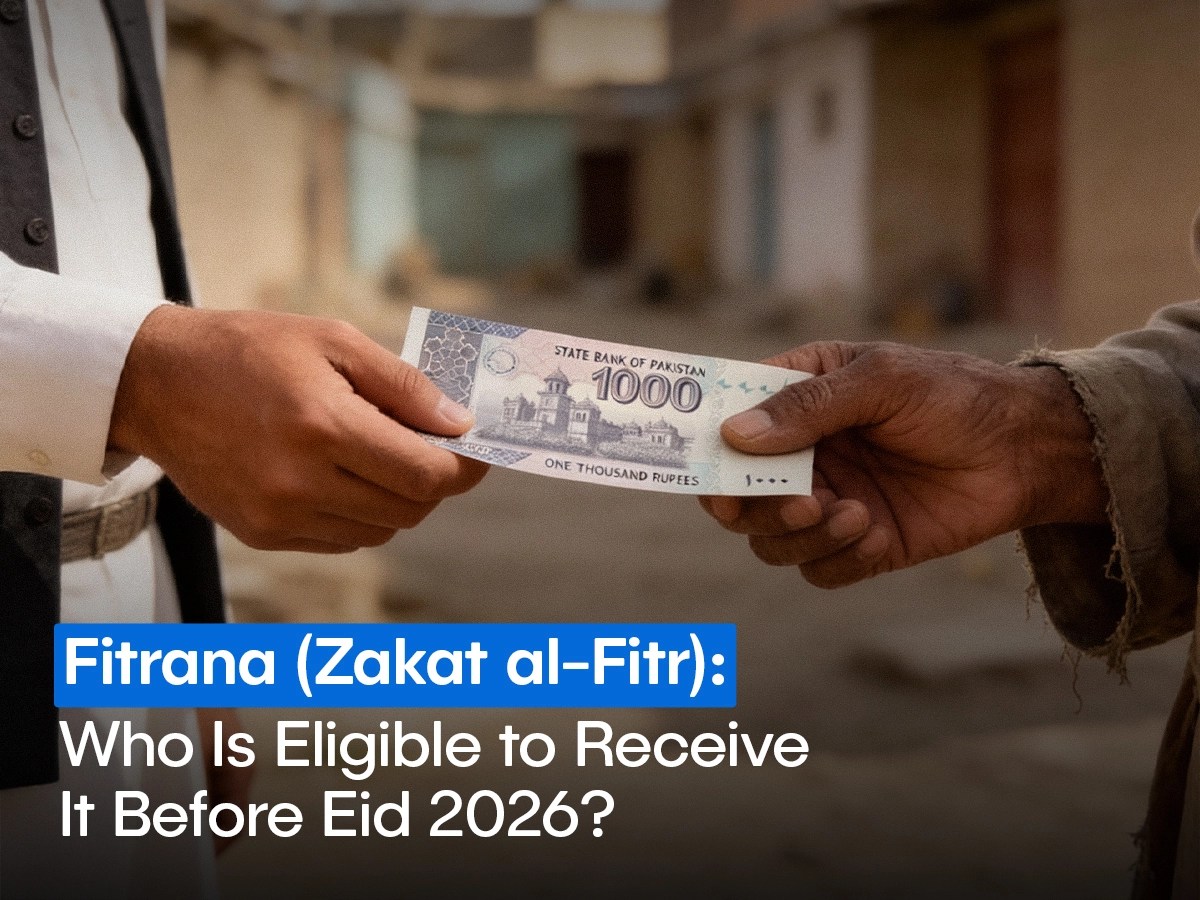
Fitrana, also known as Zakat al-Fitr, is an obligatory charity paid by Muslims at the end of Ramadan, specifically before the Eid al-Fitr prayers. It serves as a purification for the fasting person from any minor sins or idle talk during Ramadan and aims to ensure that everyone, including the less fortunate, can celebrate Eid with joy and provision.
In the United States, determining the exact amount for Fitrana can vary slightly, as it is traditionally based on the cost of one saa' of a staple foodstuff, like wheat, barley, dates, or rice. For 2026, many Islamic organizations and scholars in the USA convert this food measure into a monetary value for convenience and practicality.
| Aspect | Details for USA (2026) |
|---|---|
| Purpose | Purification for fasting, feeding the needy on Eid |
| Amount Basis | Value of one saa' of staple food |
| Typical Range | $10 - $15 per person (estimated) |
| Obligation | Every Muslim with surplus food for Eid day/night |
| Deadline | Before Eid al-Fitr prayer |
| Payment Methods | Online, local mosques, charities |
Understanding Fitrana Calculations for American Muslims
The standard measure for Fitrana is one saa', which is approximately 2.5 to 3 kilograms of staple food. While traditionally paid in food, its monetary equivalent is widely accepted in the USA to facilitate distribution and better meet the varied needs of recipients.
Many Islamic centers and charities in the U.S. provide a recommended cash amount for Fitrana each year. This recommendation is typically based on the average market price of common staples like rice or flour. It ensures a consistent and fair value across different communities.
For 2026, the general consensus among various U.S. Islamic organizations places the Fitrana amount between $10 and $15 per person. This figure is a guideline, and it's always wise to check with your local mosque or trusted charity for their specific recommendation.
Paying your Fitrana means contributing to community welfare, helping those who might otherwise struggle to afford a celebratory meal on Eid. This act of giving reinforces the bonds of brotherhood and sisterhood during this blessed time.
| Key Insight | Practical Application for US Muslims |
|---|---|
| Flexibility in Payment | Cash equivalent is common and convenient. |
| Local Guidance | Consult local mosques for precise 2026 recommendations. |
| Family Obligation | Head of household pays for all dependents. |
| Timeliness | Crucial for recipients to benefit on Eid. |
Who is Required to Pay Fitrana and When?
Fitrana is obligatory upon every Muslim, young or old, male or female, who possesses food in excess of their own and their family's needs for the day and night of Eid al-Fitr. This means if you have enough to feed your family for Eid and have a little extra, you are required to pay.
Typically, the head of the household pays for themselves and all their dependents, including children and even infants born before the Eid prayer. This communal responsibility ensures no one is left out from the joy of Eid due to financial hardship.
The most preferred time to pay Fitrana is after the Fajr prayer on Eid day but before the Eid al-Fitr prayer itself. However, it can be paid a few days before Eid, particularly during the last few days of Ramadan, to allow charities ample time for distribution.
| Recipient Category | Obligation Details |
|---|---|
| Adults | Compulsory if financially able |
| Children & Infants | Compulsory, paid by guardian/head of household |
| Travelers | Pay where they are on Eid day |
| New Converts | Obligatory if criteria met before Eid |
Frequently Asked Questions About Fitrana in the US
What is the typical amount for Fitrana in the USA in 2026?
The typical amount for Fitrana in the USA for 2026 is generally estimated to be between $10 and $15 per person. This figure represents the monetary equivalent of one saa' of staple food, such as rice or flour, which is widely accepted for convenience. It's best to confirm with your local Islamic center for their specific recommendation.
This range reflects the varying costs of staple foods across different regions and the discretion of local scholarly bodies. It aims to ensure that the payment is both practical for donors and meaningful for recipients.
Many organizations work hard to set a fair rate that reflects current economic conditions while staying true to the spirit of the charity. Your contribution helps ensure food security for others on Eid.
Can I pay Fitrana for my entire family as a lump sum?
Yes, you can absolutely pay Fitrana for your entire family as a lump sum. In fact, it's common practice for the head of the household to calculate the total amount owed by multiplying the per-person rate by the number of dependents they are responsible for. This consolidated payment simplifies the process considerably.
This method allows for efficiency and ensures that all eligible family members have their obligation fulfilled. It reflects the communal nature of the household and the responsibility of the provider.
When making an online donation, most platforms will have an option to specify the number of individuals you are paying for. Always double-check your calculations to ensure accuracy.
Is there a specific food type required for Fitrana in the US?
While Fitrana is traditionally based on staple foods like wheat, barley, dates, or rice, in the US, paying the monetary equivalent is widely accepted and often preferred. This allows recipients to purchase the food items they need most, providing greater flexibility and utility. The core principle is to give the value of one saa' of common local food.
Historically, the food items reflected what was common in the local area. In a diverse country like the U.S., the cash equivalent bridges this gap effectively. It means your charity is more impactful for the individual.
Some may still prefer to donate actual food items, but this requires coordination with local food banks or mosques that accept such donations. Monetary donations are generally the most straightforward option.
What if I cannot afford to pay Fitrana?
If you genuinely cannot afford to pay Fitrana, meaning you do not possess food in excess of your and your family's needs for Eid day and night, then you are not obligated to pay it. Islam does not burden an individual beyond their capacity. Instead, if you are in such a situation, you may even be eligible to receive Fitrana yourself.
The beauty of Islamic finance is its inherent justice and compassion. It protects individuals from undue hardship and prioritizes the needs of the most vulnerable.
It's important to be honest about your financial situation and seek assistance if needed. There is no shame in being a recipient when circumstances dictate it.
Where can I donate Fitrana in the USA?
You can donate Fitrana in the USA through various channels, including your local mosque, reputable Islamic charities, and online platforms. Many national and local organizations like Islamic Relief USA, Helping Hand for Relief and Development, LaunchGood, and others offer secure online portals. Always ensure the organization is trustworthy and transparent in its operations.
Donating locally helps support your immediate community and allows you to build stronger connections with your mosque. Many mosques organize collective Fitrana collections and distributions.
Online platforms offer convenience, often providing options to donate to specific causes or regions, both domestically and internationally. Choose the method that best suits your comfort and needs.
Is Fitrana only for the poor, or can it be given to anyone in need?
Fitrana is specifically intended for the poor and the needy (Masakin). Its primary purpose is to alleviate poverty, ensure that everyone has food to celebrate Eid al-Fitr, and bring joy to those who might otherwise struggle. It should not be given to the wealthy or those who are financially comfortable.
The distribution of Fitrana is a key aspect of its spiritual and social impact. It is a direct act of sharing wealth with those who have less, embodying the principles of compassion and solidarity.
Muslim scholars and organizations often have established mechanisms to identify eligible recipients, ensuring the charity reaches its intended beneficiaries. This targeted approach maximizes its benefit.