


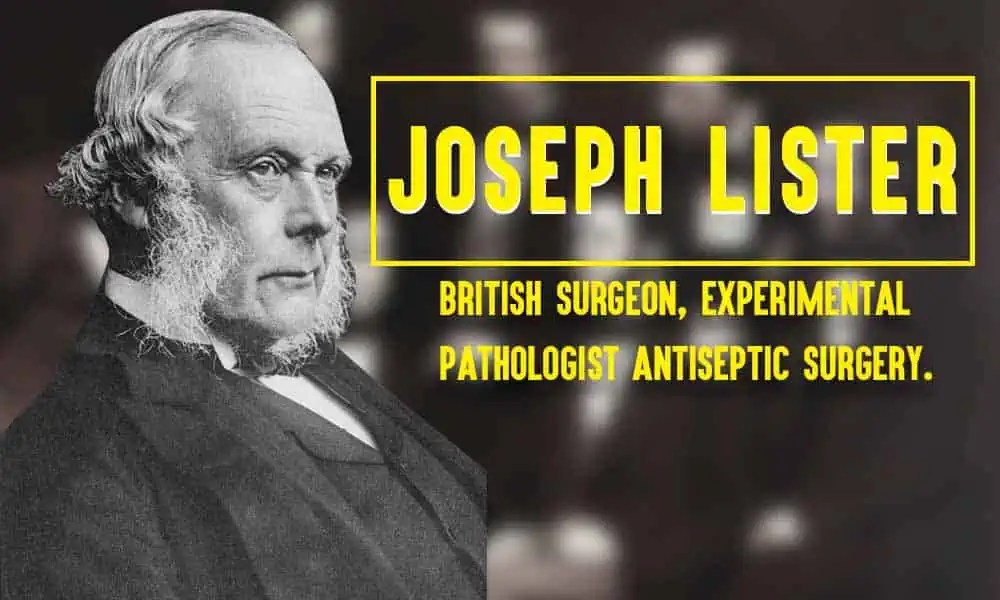


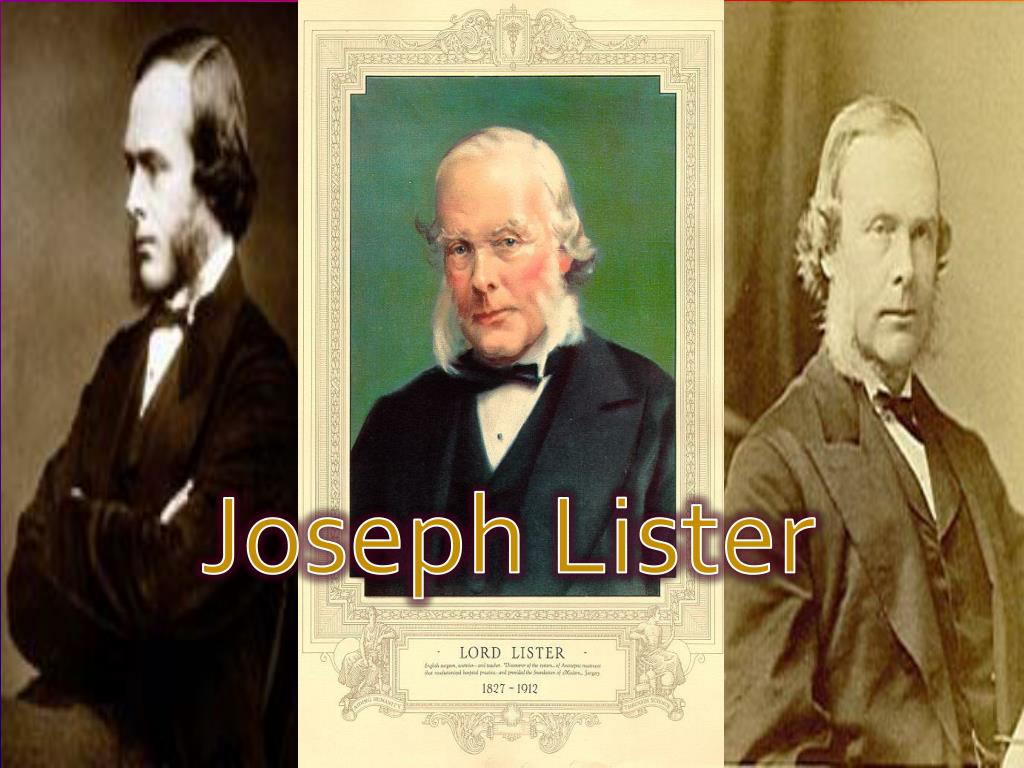




Joseph Lister revolutionized modern medicine, particularly in the field of surgery. His pioneering work on antiseptic methods drastically reduced mortality rates from infections, transforming hospital practices worldwide. Understanding what Joseph Lister did is key to appreciating the foundation of contemporary sterile medical procedures.
Before Lister's breakthroughs, surgery was a high-risk endeavor, with post-operative infections claiming countless lives. His dedication to applying scientific principles, specifically Louis Pasteur's germ theory, directly led to safer surgical environments and vastly improved patient outcomes, saving millions.
| Key Contribution | Impact on Medicine | Historical Context |
|---|---|---|
| Antiseptic Surgery | Significantly reduced post-operative infections and mortality. | Pre-Listerian surgery had high infection rates due to unhygienic practices. |
| Carbolic Acid (Phenol) Use | First effective antiseptic agent for wounds and instruments. | Inspired by its use in sewage treatment to reduce odors. |
| Sterile Techniques | Introduced sterilization of instruments, dressings, and hands. | Shifted medical thought towards preventing contamination. |
| Germ Theory Application | Applied Pasteur's findings directly to surgical practice. | Linked microscopic organisms to wound sepsis. |
| Foundation of Modern Surgery | Paved the way for aseptic surgery and modern operating room standards. | Established a new paradigm for patient safety in operations. |
The Core Problem: Understanding Pre-Listerian Surgery
Before Joseph Lister introduced his groundbreaking ideas, the operating room was a place of considerable danger, not just for the patient's immediate condition, but from unseen enemies. Surgeons often operated in blood-soaked coats, using instruments that were rarely cleaned. They moved from one patient to another without handwashing, unknowingly spreading deadly bacteria.
The prevailing belief was that 'bad air' or 'miasma' caused infections, leading to little effort in cleanliness. This misunderstanding meant that even successful operations were frequently followed by horrific complications like gangrene, erysipelas, and sepsis. Wards were filled with the stench of infection, and a patient surviving surgery was more a matter of luck than skill.
Hospitals, far from being places of healing, were often hotbeds of disease transmission. The lack of understanding about microscopic pathogens meant that the very environments intended to save lives inadvertently fostered widespread infection. Medical professionals simply lacked the knowledge to prevent these devastating post-operative complications.
Patients faced a grim reality: surviving the initial surgical trauma was only half the battle. The ensuing days after surgery were fraught with the risk of developing a fatal infection, often called 'hospital disease.' This dire situation underscored the urgent need for a radical shift in surgical practice to protect patients from unseen microbial threats.
| Pre-Listerian Surgical Reality | Consequence | Patient Outcome |
|---|---|---|
| Unwashed hands & instruments | Cross-contamination and bacterial spread | High rates of post-operative infection |
| Dirty operating environments | Pathogen accumulation | Sepsis, gangrene, and other severe infections |
| Lack of germ theory knowledge | Misguided theories of 'miasma' | Ineffective hygiene practices |
| Common surgical dressings | Often led to further contamination | Wound festering, delayed healing |
Joseph Lister's Revolutionary Antiseptic Methods
Joseph Lister's approach to surgery was nothing short of revolutionary, fundamentally altering how operations were performed and dramatically improving patient survival rates. Inspired by Louis Pasteur's work on germ theory, Lister began to experiment with ways to prevent microbes from entering wounds during and after surgery. His pivotal idea centered on using a chemical agent to kill these unseen organisms.
He chose carbolic acid, also known as phenol, after learning it was effective in treating sewage and reducing the foul smell of treated wastewater. Lister reasoned that if carbolic acid could prevent putrefaction in sewage, it could also prevent sepsis in surgical wounds. He systematically applied carbolic acid to instruments, dressings, and even sprayed it in the air during operations to create an antiseptic environment.
The results were undeniable and immediate. Patients treated with Lister's antiseptic methods experienced significantly lower rates of infection and higher survival rates compared to traditional surgical approaches. His meticulous record-keeping and scientific rigor provided irrefutable evidence of his methods' efficacy, slowly but surely winning over a skeptical medical community and establishing the foundation for modern sterile surgery.
| Lister's Method | Application | Direct Benefit |
|---|---|---|
| Carbolic Acid Spray | Disinfecting the air around the surgical site. | Reduced airborne bacterial contamination. |
| Sterilized Dressings | Soaking bandages in carbolic acid solution. | Prevented infection from wound coverings. |
| Disinfected Instruments | Cleaning surgical tools with carbolic acid. | Eliminated pathogens transferred by instruments. |
| Hand Washing | Surgeons washing hands with carbolic acid solution. | Minimized bacterial transfer from surgeon to patient. |
| Wound Treatment | Direct application of dilute carbolic acid to wounds. | Killed bacteria already present in or around the wound. |
How Did Joseph Lister Initially Discover Antiseptic Principles?
Joseph Lister's discovery of antiseptic principles stemmed from his deep observation of surgical outcomes and his astute understanding of Louis Pasteur's germ theory. He realized that the high mortality from post-operative infections wasn't due to mysterious 'bad air,' but rather tiny living organisms. His critical insight was to prevent these microbes from reaching the wound using chemical disinfection, directly addressing the root cause of surgical sepsis.
Lister was particularly struck by the work of Pasteur, who demonstrated that fermentation and putrefaction were caused by microorganisms. He made the intellectual leap that if microbes could spoil wine, they could also infect wounds. This realization provided a scientific explanation for the widespread problem of surgical sepsis, which had baffled medical practitioners for centuries.
His early experiments involved applying carbolic acid, a chemical then used to treat sewage, directly to compound fractures and wounds. He observed a dramatic reduction in the incidence of gangrene and other severe infections. This practical application provided compelling evidence that his theory was correct and that chemical agents could indeed neutralize harmful microbes.
Lister's rigorous scientific approach, combining observation, theoretical understanding, and practical experimentation, allowed him to move beyond mere anecdotal evidence. He meticulously documented his cases, comparing outcomes before and after implementing his antiseptic techniques, solidifying the scientific basis for his revolutionary methods.
What Was Joseph Lister's Main Contribution to Medicine?
Joseph Lister's main contribution to medicine was the introduction and widespread advocacy of antiseptic surgery, fundamentally transforming surgical practice and significantly reducing patient mortality. By demonstrating that invisible germs caused infections and that these could be combated with chemical disinfectants like carbolic acid, he made surgery safer and paved the way for modern aseptic techniques.
Before Lister, surgery often resulted in fatal infections, even from minor procedures. His work provided a tangible solution to this pervasive problem, saving countless lives and making complex surgical interventions feasible. He shifted the paradigm from treating infection after it occurred to preventing it from happening in the first place.
His methods directly led to a dramatic decrease in post-operative deaths and complications. This success encouraged other medical professionals to adopt his techniques, slowly disseminating antiseptic practices throughout the medical world. The concept of surgical cleanliness, once an abstract idea, became a tangible, life-saving protocol.
Beyond just carbolic acid, Lister's insistence on a sterile field laid the groundwork for the development of modern aseptic surgery, where microorganisms are entirely excluded from the operating theater. His pioneering efforts are the bedrock upon which all contemporary infection control strategies are built, ensuring patient safety in hospitals today.
How Did Lister's Work Influence Future Surgical Practices?
Lister's work profoundly influenced future surgical practices by establishing the foundational principles of infection control, leading directly to aseptic surgery. His emphasis on preventing microbial contamination through chemical disinfection paved the way for modern operating room protocols, including sterilization of instruments, surgical masks, gowns, and sterile environments, making complex and invasive surgeries routinely safe.
His methods initiated a cultural shift within the medical community, moving away from a casual disregard for cleanliness to a meticulous focus on sterility. Surgeons began to understand the critical link between hygiene and patient outcomes, realizing that unseen threats were far more dangerous than previously imagined. This new awareness changed everything about how operations were conceived and executed.
The concept of aseptic surgery, where the aim is to exclude all microorganisms entirely, evolved directly from Lister's antiseptic principles. This involved innovations like steam sterilization for instruments, sterile gloves, and controlled air filtration in operating theaters. These advancements built upon Lister's initial understanding of germ prevention.
Today, every surgical procedure, from the simplest appendectomy to the most complex organ transplant, owes its safety to the principles Lister introduced. His legacy is evident in the routine sterilization of medical equipment, the meticulous preparation of surgical teams, and the highly controlled environments of modern operating rooms, all designed to prevent infection.
What Were the Initial Challenges Joseph Lister Faced?
Joseph Lister faced significant initial challenges, primarily skepticism and resistance from a medical establishment deeply entrenched in traditional, unhygienic practices. Many doctors struggled to accept the idea of invisible germs causing disease and found his meticulous, labor-intensive antiseptic methods cumbersome and unnecessary, slowing the widespread adoption of his life-saving techniques.
The concept of 'germs' was relatively new, and even prominent surgeons found it difficult to grasp that tiny organisms, imperceptible to the naked eye, could be responsible for such devastating outcomes. This resistance to new scientific understanding meant that Lister had to tirelessly advocate for his methods, often facing ridicule and outright dismissal.
Furthermore, his antiseptic technique, which involved spraying carbolic acid, dressing wounds with treated bandages, and thoroughly cleaning instruments, was far more demanding than the existing surgical routine. Surgeons were often reluctant to change their long-established habits, preferring the status quo despite its fatal consequences for patients.
Despite the initial pushback, Lister persevered, collecting compelling data and presenting his findings rigorously. His unwavering dedication eventually convinced a growing number of practitioners, proving the undeniable benefits of his antiseptic approach and gradually overcoming the ingrained skepticism of the medical world.
Conclusion: Joseph Lister's Enduring Legacy
Joseph Lister's contributions fundamentally reshaped medical practice, establishing the bedrock of modern surgery. His innovative application of antiseptic principles transformed surgical outcomes, dramatically reducing patient mortality from infection. Understanding what Joseph Lister did is essential for anyone interested in the history of healthcare and the evolution of patient safety.
His legacy lives on in every sterile instrument, every disinfected operating room, and every medical professional's meticulous handwashing. Lister's relentless pursuit of cleaner, safer surgery has saved countless lives over the past centuries and continues to protect patients today.
His work underscores the profound impact that scientific inquiry and persistent innovation can have on public health. Joseph Lister didn't just introduce a new surgical technique; he initiated a new era of medical understanding and patient care that remains foundational to modern healthcare.