












Gathering around the Seder table is a cherished tradition, a time when families and friends recount the story of liberation and reflect on its enduring lessons. Knowing exactly what to say on Passover can transform a good Seder into an unforgettable one, making the ancient narrative vibrant and deeply personal for everyone present. This guide helps you confidently articulate the timeless themes, share meaningful insights, and engage your guests in rich discussion.
Many people wonder how to strike the right balance between tradition and contemporary relevance, ensuring the Seder is both reverent and engaging for all generations, especially in 2026. This comprehensive article provides practical advice, traditional phrases, and thoughtful conversation starters, ensuring your Passover Seder experience is enriched with genuine connection and understanding. Get ready to enhance your Seder dialogue with purpose and passion.
| Seder Element | What to Say (Core Message) | Why it's Important |
|---|---|---|
| Kiddush (Blessing over Wine) | Acknowledging joy, freedom, and holiness. | Sets the festive and sacred tone of the evening. |
| The Four Questions | Prompting curiosity about Passover's distinctiveness. | Engages youngest participants, sparks core discussion. |
| Maggid (Story of Exodus) | Narrating liberation and resilience. | Connects participants to the historical and spiritual journey. |
| Dayenu | Expressing gratitude for divine blessings. | Fosters appreciation for each step of salvation. |
| Blessing over Matzah | Sanctifying unleavened bread. | Highlights the symbol of haste and humility. |
| Hillel Sandwich | Combining symbols for deeper meaning. | Encourages hands-on understanding of suffering and hope. |
Navigating the Seder: Core Discussions and Responses
When you sit down for the Seder, the Haggadah guides you through the process, but the truly memorable moments often come from the conversations that naturally unfold. Understanding what to say on Passover means embracing both the structured prayers and the spontaneous exchanges that deepen everyone's connection to the narrative. It’s about creating an atmosphere where questions are welcomed and insights are shared freely, making the story relevant for today.
Start by explaining the purpose of each ritual as it occurs, perhaps in your own words rather than just reading from the text. For instance, when you raise the matzah, you might explain its dual symbolism as both the bread of affliction and the bread of freedom. This contextualizes the experience, helping both seasoned and new participants grasp the profound meanings embedded within the Seder’s flow.
Engage your guests by inviting them to share personal reflections on the themes of freedom and oppression in their own lives or in the world around them. This approach transforms the ancient story from a historical event into a living, breathing concept that resonates with individual experiences. Such discussions enrich the Seder, making it more than just a recitation.
Don't hesitate to pause and ask open-ended questions like, "What does 'freedom' truly mean to you?" or "Where do you see hope and liberation in our world today?" These prompts encourage thoughtful engagement beyond simply reciting the text, transforming a passive observance into an active journey of discovery. It truly embodies the spirit of what to say on Passover.
| Discussion Point | Benefit for Guests | Enhances Seder By |
|---|---|---|
| Personal reflections | Connects ancient story to modern life. | Fosters emotional engagement and relevance. |
| Symbolism explanations | Deepens understanding of rituals. | Provides context for all participants. |
| Open-ended questions | Encourages active thought and sharing. | Transforms passive observation into active participation. |
| Sharing stories | Creates a communal, intimate atmosphere. | Builds connections among attendees. |
Deepening Your Passover Experience
Beyond the formal liturgy, there are many opportunities to enhance your Seder with personal touches and thoughtful dialogue. Consider incorporating a brief meditation before dipping the karpas, inviting everyone to reflect on gratitude and the bounty of the earth. This quiet moment can ground the experience and prepare hearts for the deeper discussions ahead.
Introduce different interpretations of the Haggadah, perhaps sharing insights from various rabbis or scholars, or even encouraging guests to bring their own favorite commentaries. This approach showcases the rich tradition of Jewish thought and allows for a multifaceted understanding of the Passover story. It reinforces that there isn't just one right way to understand the holiday, but many paths to insight.
For families with younger children, think about incorporating visual aids or even a short, interactive skit retelling a part of the Exodus story. This makes the narrative tangible and exciting, ensuring even the littlest participants feel a part of the grand historical drama. Engaging all ages is key to fostering a love for the traditions of what to say on Passover.
| Enhancement Idea | Impact on Seder | Engagement Level |
|---|---|---|
| Brief meditation | Increases mindfulness and reverence. | Emotional, introspective |
| Diverse interpretations | Broadens understanding of text. | Intellectual, analytical |
| Interactive storytelling | Engages children and visual learners. | Fun, participatory |
| Personal anecdotes | Builds connection and shared experience. | Intimate, relatable |
People Also Ask About What to Say on Passover
What are the Four Questions asked at Passover?
The Four Questions (Mah Nishtanah) are central to the Passover Seder, traditionally asked by the youngest participant. They inquire why this night is different from all other nights, covering topics like eating matzah, bitter herbs, dipping twice, and reclining. These questions encourage active participation and spark discussion about the meaning of freedom and the Exodus story, inviting everyone to reflect on the core themes of the holiday.
The act of asking these questions is designed to pique curiosity and ensure that the story of the Exodus is not merely recited, but deeply understood and felt by all present. It's a foundational element of the Seder, setting the stage for the Maggid, the telling of the Passover narrative itself. Without the questions, the answers would lose their profound impact.
Encourage the youngest attendees to practice the questions in advance, perhaps even translating them into English if that helps their understanding. Their confident delivery truly sets a joyous and inquisitive tone for the entire evening. This tradition is a beautiful way to pass on the narrative and ensure active involvement for the next generation, making what to say on Passover a shared experience.
How do you bless the wine at Passover?
Blessing the wine at Passover involves reciting the Kiddush, a traditional blessing that sanctifies the holiday and acknowledges God. This blessing is typically said over the first of four cups of wine (or grape juice), signifying joy, freedom, and the holiness of the occasion. It's a moment of collective pause and gratitude, officially ushering in the Seder celebration and its deep spiritual themes.
The Kiddush at the Seder is distinct from the weekly Sabbath Kiddush, as it includes additional phrases specific to the festival of Passover, celebrating the time of our freedom. It is a powerful declaration of the special nature of this night, preparing participants for the journey through the Haggadah. Many families recite it in Hebrew, followed by an English translation to ensure everyone understands the profound words.
The wine itself symbolizes joy and gratitude, making its blessing a perfect way to begin the festive meal. As the leader recites the Kiddush, all participants hold their cups, joining in the intention and spirit of the blessing. This collective act unites everyone at the table, setting a tone of shared celebration and anticipation for the story of liberation.
What is a good introductory remark for a Passover Seder?
A good introductory remark for a Passover Seder often welcomes guests, expresses gratitude for their presence, and briefly sets the evening's intention. You might say something like, "Welcome, everyone! It's wonderful to share this special night, commemorating freedom and renewal, as we explore the enduring lessons of Passover together." This helps orient everyone and creates a warm, inclusive atmosphere.
You can also briefly mention what makes this Seder unique to your family, whether it's a particular tradition, a new dish, or a special theme you plan to explore. Personalizing the introduction makes guests feel immediately connected to your celebration, inviting them into the communal experience right from the start. It sets a conversational tone for what to say on Passover.
Consider sharing a short, meaningful quote about freedom or community to inspire reflection early on. This can be a wonderful way to kick off the discussions and highlight the universal messages of Passover, making the ancient holiday relevant to everyone, regardless of their background. A thoughtful opening can truly shape the Seder's overall feel.
What do people say before eating matzah?
Before eating matzah, participants typically recite two blessings: one for eating matzah itself and another for the mitzvah (commandment) of eating matzah during Passover. The first blessing, "Baruch Atah Adonai... Hamotzi Lechem Min Ha'aretz," is a general blessing over bread, modified for matzah. The second, "Baruch Atah Adonai... Al Achilat Matzah," specifically blesses the commandment.
These blessings serve to elevate the simple act of eating matzah into a sacred observance, reminding everyone of its profound significance. It acknowledges the divine instruction behind this central Passover symbol, transforming a simple cracker into a powerful reminder of the hurried departure from Egypt. Reciting these words connects participants to generations of Jewish tradition.
The matzah is then broken and shared, often after a moment of reflection on its dual meaning: the bread of affliction that sustained the Israelites in slavery, and the bread of freedom that nourished them during their escape. This ritual moment is a cornerstone of what to say on Passover, linking past suffering with present liberation.
How can I make the Passover story more engaging for adults?
To make the Passover story more engaging for adults, invite them to share contemporary reflections on themes like freedom, social justice, and personal transformation. Encourage discussions that link ancient narratives to modern challenges and triumphs, perhaps by reading different interpretations of the Haggadah text. Incorporate personal anecdotes and relevant current events to foster deeper, more resonant conversations.
Consider assigning different sections of the Haggadah for various guests to read or lead, giving everyone a sense of ownership in the storytelling. You can also introduce thought-provoking questions that encourage critical thinking about the historical context and ethical implications of the Exodus story. This transforms the Seder into a dynamic intellectual and spiritual exploration, going beyond mere recitation.
Using visual aids like maps of the Exodus route or even art depicting Passover themes can also spark adult interest. These elements provide new perspectives and avenues for discussion, ensuring the Seder feels fresh and intellectually stimulating rather than a rote performance. Engaging adults thoughtfully enriches the entire Seder experience, highlighting the depth of what to say on Passover.
What blessings are said before the Passover meal?
Several key blessings are recited before the main Passover meal begins, following the telling of the Exodus story (Maggid) and the second cup of wine. These include the blessings over washing hands (Rachtzah), the two blessings over matzah, and the blessing over the bitter herbs (Maror). Each blessing prepares participants for the symbolic foods they are about to consume.
These blessings are carefully placed within the Seder order to correspond with the ritual consumption of the symbolic foods. They emphasize the spiritual significance of each item, turning the meal into a sacred act of remembrance and education. Reciting them properly ensures that every bite taken is imbued with meaning and connection to the Passover narrative.
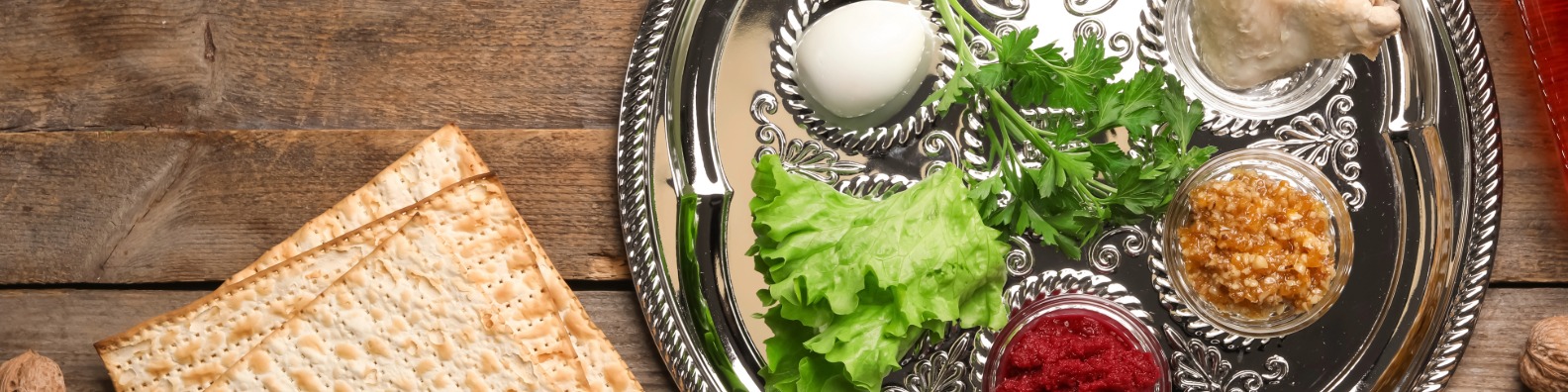
Following these blessings, the Hillel sandwich is made, combining matzah, maror, and charoset, with its own brief saying. This structured progression of blessings and symbolic eating deepens the Seder experience, leading naturally into the festive meal itself. It’s all part of the carefully orchestrated narrative of what to say on Passover.