













Unlocking Your Digital Workspace: How to Create Google Drive for Free?
Ever wondered how to create Google Drive, the seamless hub for all your digital files? Getting your personal cloud storage space is far simpler than you might imagine. This comprehensive guide walks you through every essential step, ensuring you set up your free Google Drive account effortlessly and start managing your digital life.
Google Drive offers a robust platform for securely storing documents, photos, and videos, making them readily accessible from any device, anywhere. It truly helps keep your digital assets organized and safe. We will show you exactly how to get started today, even if you are completely new to cloud services, proving that creating your Google Drive account is a straightforward process for everyone.
| Aspect | Detail |
|---|---|
| What it is | Free cloud storage and file management from Google |
| Who needs it | Anyone seeking secure online file access, sharing, and collaboration |
| Prerequisite | A valid Google Account (e.g., Gmail) |
| Key Benefits | Accessibility, collaboration, security, backup, integration with Google Workspace |
| Setup Difficulty | Very easy, intuitive steps for all users |
Why Creating Google Drive is a Game Changer for Your Digital Life
Many individuals often ask, "Why bother to create Google Drive in the first place, when I have local storage?" Think of it as your personal, highly secure digital locker that lives in the cloud, always available. You can store everything from crucial work presentations to cherished family photos and videos. This means your valuable files remain safe, even if your physical device gets lost, stolen, or completely fails.
The core appeal of cloud storage lies in its unparalleled accessibility and convenience. Imagine suddenly needing a critical document or a specific photo while you are away from your main computer or smartphone. With Google Drive, you simply log in from any web browser or compatible device, and your entire digital archive is right there at your fingertips. This freedom truly transforms how you interact with and manage your important digital content daily.
Beyond simple storage, creating Google Drive streamlines collaboration like never before. You can effortlessly share documents, spreadsheets, or presentations with colleagues, friends, or family. Even better, multiple people can work on the same file together in real-time, seeing each other's edits live. This collaborative power is incredibly valuable for team projects, planning events, or simply sharing updates without the hassle of confusing email attachments and outdated file versions.
Furthermore, Google Drive integrates seamlessly with the entire suite of Google Workspace applications. Consider Google Docs, Sheets, and Slides; these powerful, free tools allow you to create, edit, and manage files directly within your Drive, eliminating the need for expensive additional software. Successfully setting up your account effectively opens the door to this robust ecosystem, empowering you with a full range of productivity tools at no extra cost.
| Benefit Highlight | Practical Impact for Users |
|---|---|
| Universal Accessibility | Access files from any device, anywhere, ensuring continuous workflow. |
| Enhanced Collaboration | Real-time co-editing and simplified file sharing boosts teamwork efficiency. |
| Seamless Integration | Works perfectly with Google Workspace apps, creating a cohesive digital environment. |
| Robust Data Security | Protects files from hardware failures, device loss, or accidental deletion. |
Your Step-by-Step Guide: How to Create Google Drive
Prerequisite: Your Google Account is Key
The absolute first step to successfully create Google Drive is already having a Google Account. If you currently use services like Gmail, YouTube, or Google Photos, then congratulations, you are already halfway there. Your existing Google credentials automatically unlock access to Drive and its 15 GB of free storage.
If you do not yet have a Google Account, there is no need to fret; creating one is both quick and completely free. Simply navigate to Google's official account creation page. During this process, you will be prompted to provide some basic personal information, including your name and a unique username for your new account.
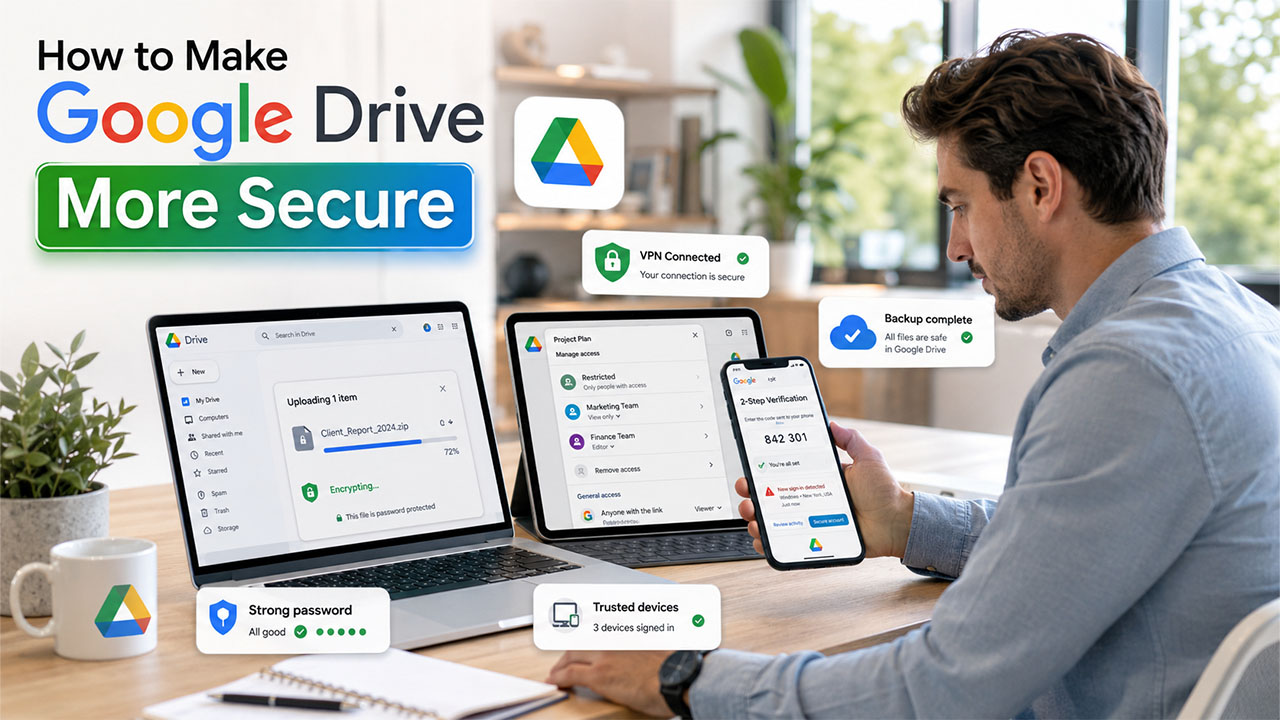
Crucially, make sure to choose a strong, unique password to safeguard your account from unauthorized access. This initial setup establishes the foundation for accessing all Google services, not just Drive. Once completed, you will find yourself automatically logged into your new Google ecosystem, ready for the next steps.
| Step | Action Required | Key Takeaway for New Users |
|---|---|---|
| Verify Google Account | Confirm existing account or create a new one. | A single Google account streamlines access to all Google services. |
| Provide Information | Enter name, desired username, and strong password. | Prioritize strong security from the outset for data protection. |
| Automatic Access | Gain immediate access to 15 GB free storage. | Storage is instantly available and shared across Drive, Gmail, and Photos. |
Navigating Your Fresh Google Drive Interface
Once you have logged in, it's time to explore your new Google Drive interface. It's designed to be intuitive, but knowing where things are saves time. On the left sidebar, you will see options like "My Drive," "Shared with me," "Recent," and "Starred." "My Drive" is your primary workspace, holding all your uploaded and created files.
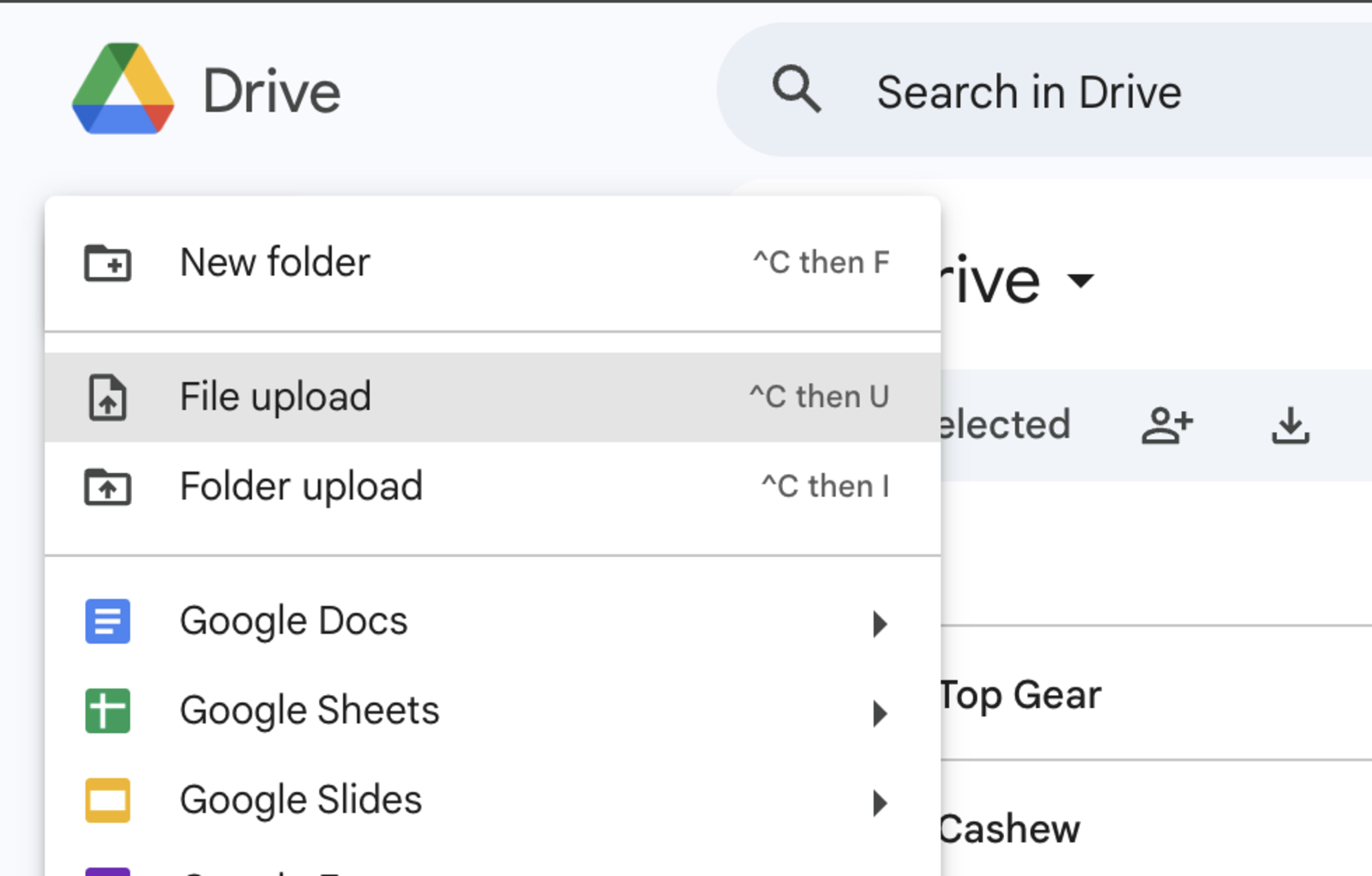
Above these options, you will find a prominent "+ New" button. This is your gateway to creating new folders, uploading existing files or folders from your computer, and directly making new Google Docs, Sheets, Slides, or Forms. Clicking around here gives you a good feel for the basics.
Familiarizing yourself with the layout helps you quickly find what you need. Take a moment to browse the different sections. Understanding the interface from the start makes managing your content much easier, setting you up for success with your new cloud storage solution.
Understanding "My Drive" and Organization
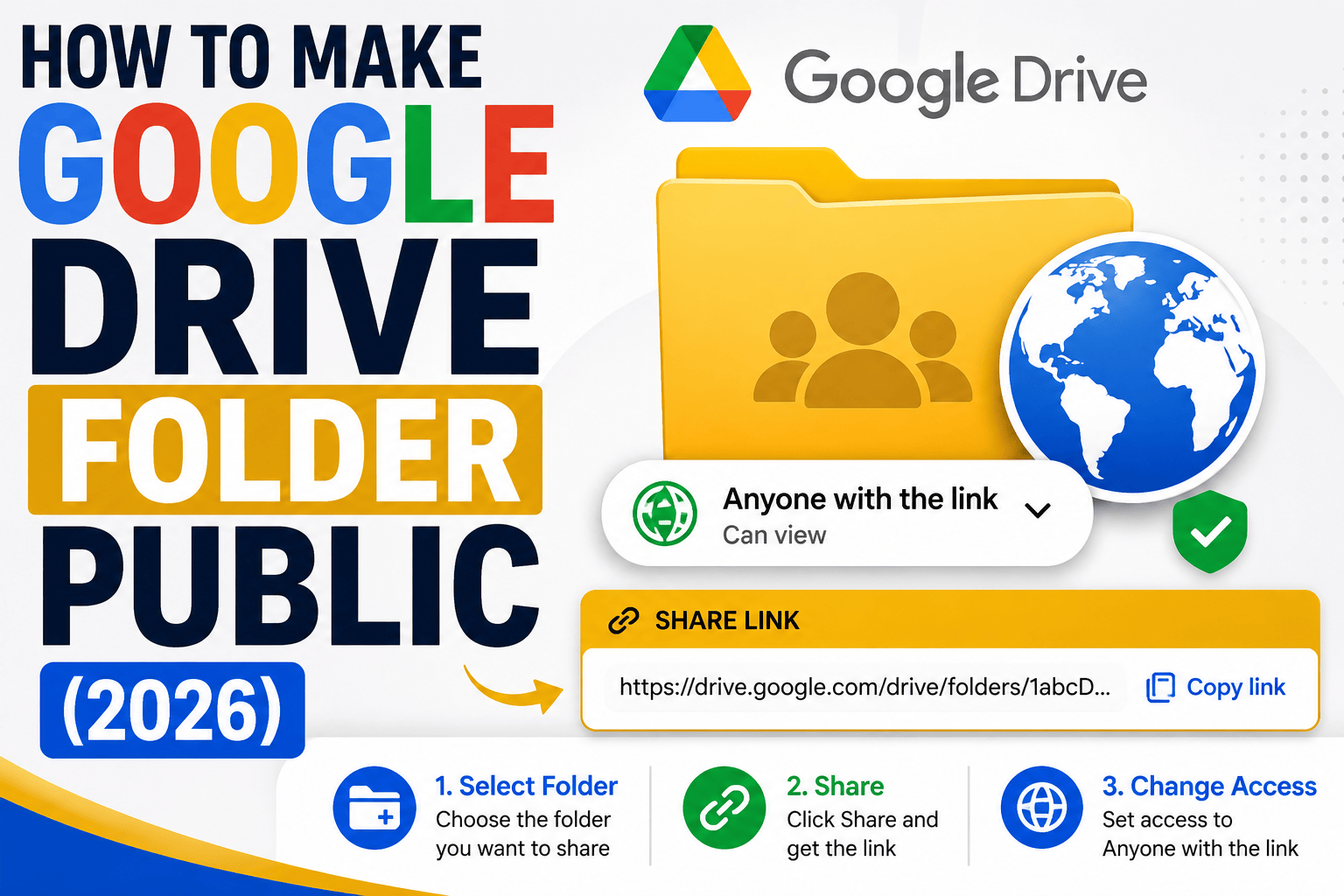
"My Drive" is essentially the root directory of your personal cloud. Everything you upload or create directly appears here by default. To keep things tidy, creating folders is highly recommended, just as you would on your desktop. Simply click "+ New" and then select "New folder."
Folders help categorize your files, whether by project, date, or content type. You can drag and drop files directly into these folders. This simple organizational strategy is crucial as your digital library grows, preventing clutter and making retrieval effortless.
Effective organization from day one saves headaches later. Think about a logical structure for your work, personal documents, or media. A little planning now goes a long way in maximizing the efficiency of your Google Drive experience.
Uploading and Organizing Your Files Efficiently
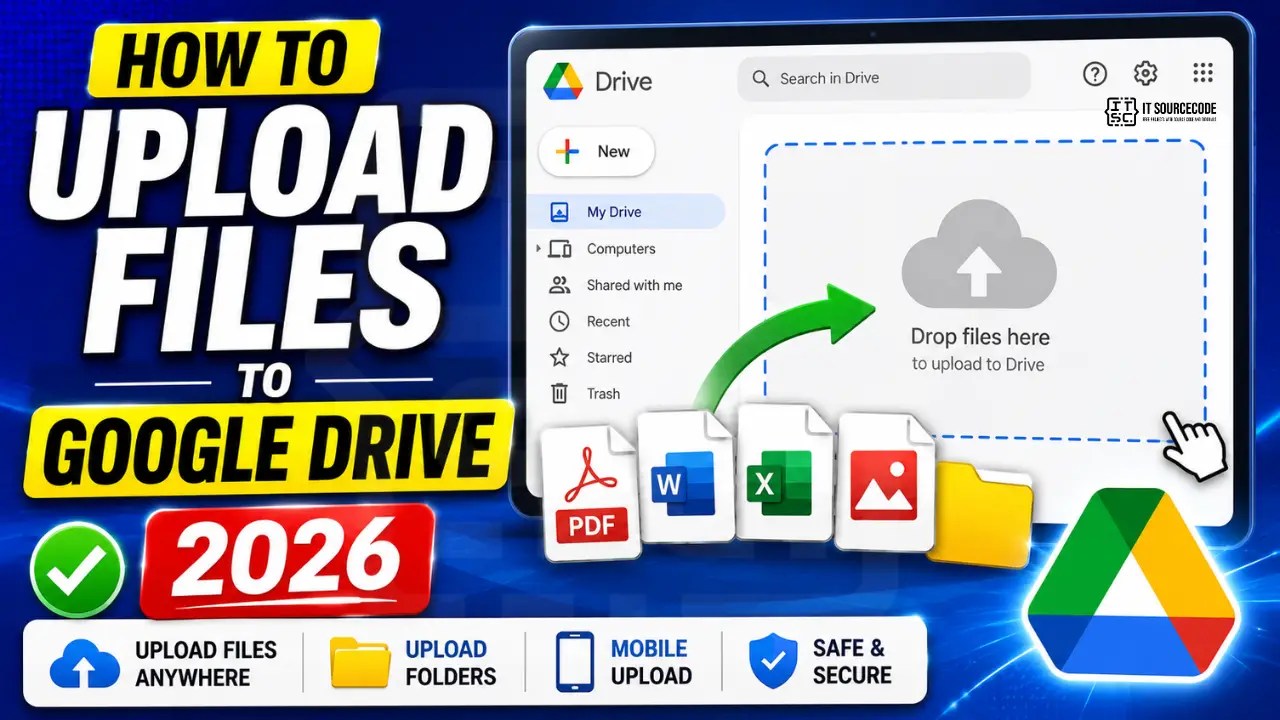
Getting your existing files into Google Drive is straightforward. You can drag and drop files or entire folders directly from your computer's desktop into the Drive window in your web browser. This method is often the quickest for bulk transfers.
Alternatively, use the "+ New" button, then choose "File upload" or "Folder upload." This opens a file explorer window, allowing you to select specific items. Google Drive handles various file types, from PDFs and images to video and audio files.
After uploading, take a moment to organize. Create folders for different categories such as "Work Projects," "Family Photos," or "Important Documents." Right-click on any file or folder to access options like "Rename," "Move to," or "Make a copy." Using these tools keeps your Drive neat and easily searchable.
Smart Naming Conventions for Easy Retrieval
A simple yet powerful tip for file organization in Google Drive is adopting consistent naming conventions. Instead of "Document1.docx," try "ProjectX_Report_Q3_2026.docx." This clarity instantly tells you what the file is about.
Consider including dates, project names, or versions in your file names. For example, "Budget_2026_Final_v2" is far more informative than a generic title. This practice becomes invaluable when you have hundreds or thousands of files to manage.
Consistent naming isn't just for your benefit. If you collaborate with others, clear file names ensure everyone understands the content and status of shared documents. It’s a small effort that yields significant organizational rewards.
Sharing and Collaborating Effectively with Google Drive
One of Google Drive's standout features is its robust sharing and collaboration capabilities. To share a file or folder, simply right-click on it and select "Share." You can then enter email addresses of individuals or create a shareable link.
When sharing, pay close attention to permission levels: "Viewer," "Commenter," or "Editor." "Viewer" allows others to see but not change the file. "Commenter" lets them add suggestions. "Editor" grants full modification rights, perfect for collaborative projects.
For sensitive documents, it's wise to limit sharing to specific people via email rather than a public link. Always double-check permissions before sharing. This ensures your data remains secure while facilitating seamless teamwork and information exchange.
Collaborating in Real-Time: Tips and Tricks
Real-time collaboration on Google Docs, Sheets, and Slides is incredibly powerful. When multiple people are editing a document, you will see their cursors and changes happening live. This eliminates the need for endless email exchanges with different versions of a file.
Use the built-in comment feature to ask questions or provide feedback on specific sections. To do this, highlight text and click the "Add comment" icon. You can also "tag" collaborators by typing "@" followed by their name, which sends them a notification.
For large teams, establish clear communication protocols. Decide who is responsible for which sections or changes. While Google Drive makes collaboration easy, a little human coordination still goes a long way in producing a polished final product without confusion.
Important Tips for Maximizing Your Google Drive Experience
Beyond the basics of how to create Google Drive, a few advanced tips can truly enhance your experience. Utilize the powerful search bar at the top of the interface. You can search by file name, content, type (e.g., PDFs, spreadsheets), or even owner. This saves immense time when looking for that elusive document.
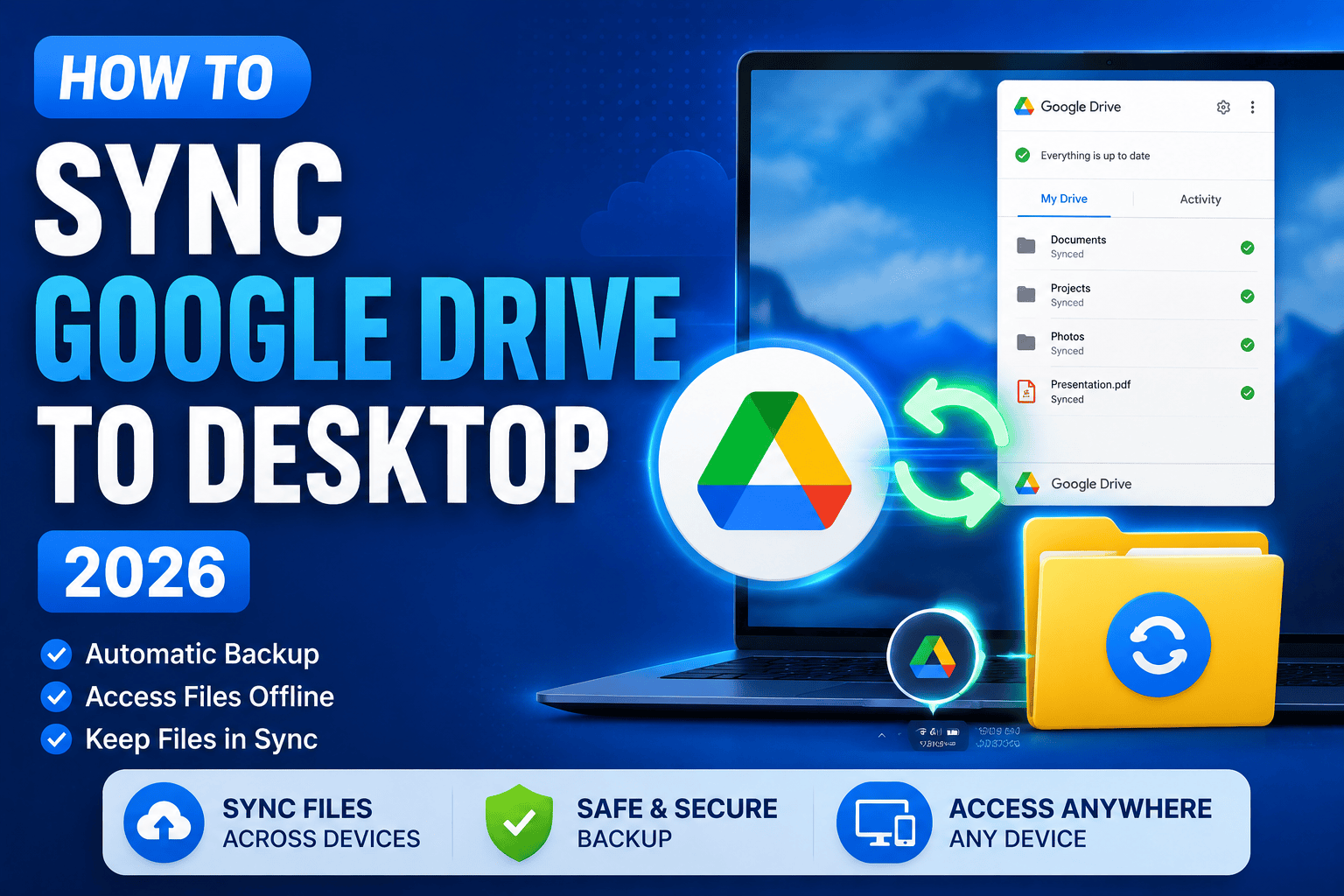
Consider installing the Google Drive desktop application for your computer. This tool synchronizes your Drive files with a folder on your local machine, allowing you to access them even when offline. Any changes made offline will automatically sync once you reconnect to the internet.
Regularly review your "Shared with me" section to keep track of documents others have shared. Also, make use of the "Starred" feature for quick access to your most important or frequently used files. These small habits make a big difference in daily productivity.
Leveraging Version History and Offline Access
Google Drive automatically saves multiple versions of your files, especially for Google Docs, Sheets, and Slides. If you make a mistake or need to revert to an older draft, simply go to "File" then "Version history" to restore a previous state. This feature is a lifesaver for collaborative work or accidental deletions.
For critical files you need available without an internet connection, enable "Offline access." Right-click on a file or folder, and select "Available offline." This ensures you can view and edit these documents even in remote locations or during travel, with changes syncing later.
These features demonstrate Google Drive's commitment to flexibility and data integrity. Understanding how to use version history and offline access provides a crucial safety net and extends your productivity beyond constant connectivity. Make them part of your regular workflow.
Troubleshooting Common Google Drive Issues
Even with a smooth setup of how to create Google Drive, users sometimes encounter minor hiccups. A common issue is files not syncing correctly. First, check your internet connection. A stable network is essential for consistent synchronization. If that's fine, try pausing and resuming sync in the desktop app, or simply restarting the application.
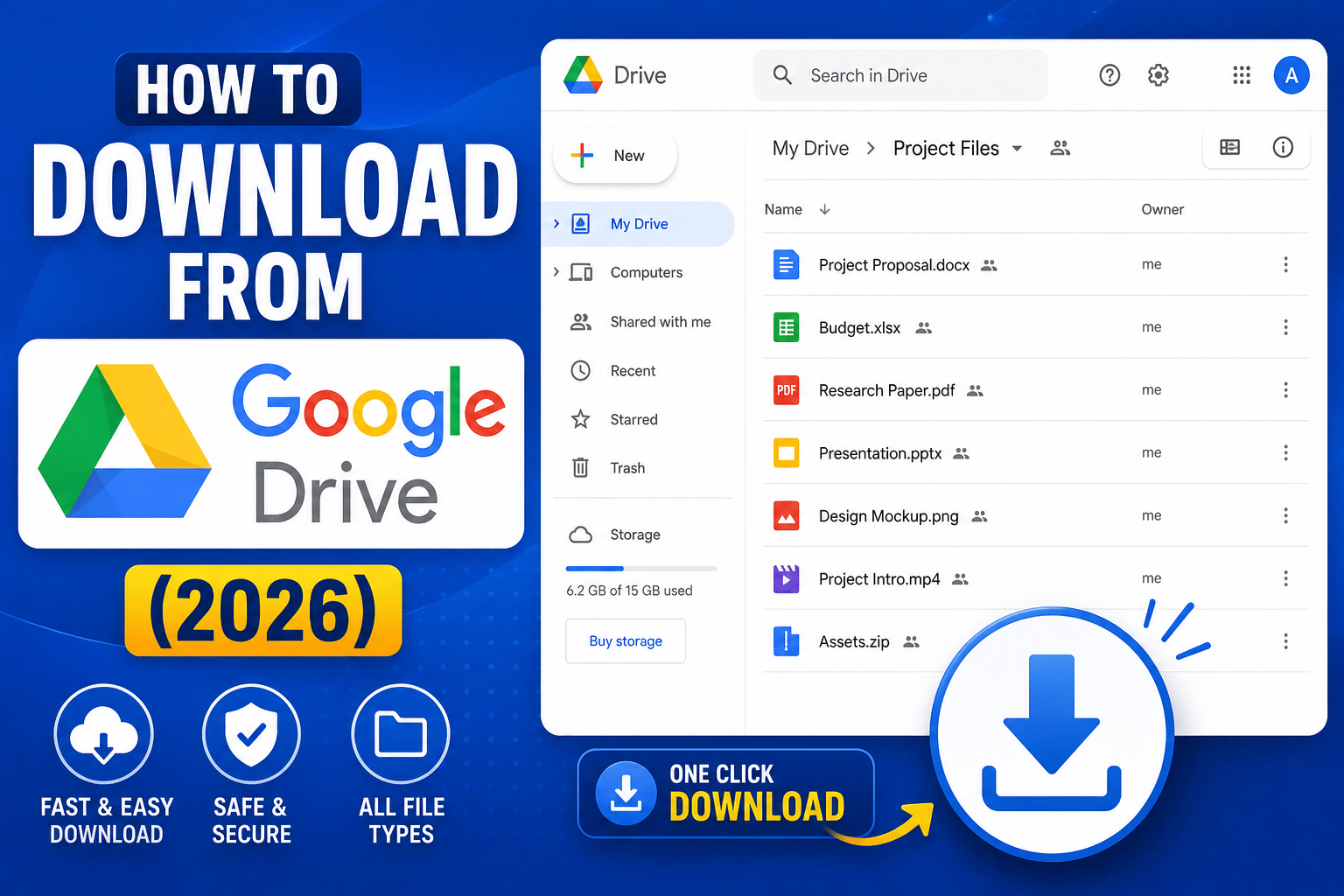
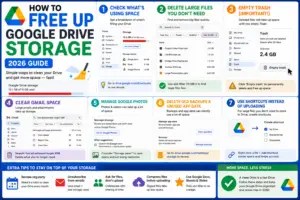
Another frequent problem involves running out of free storage space. Remember, you get 15 GB shared across Drive, Gmail, and Photos. To identify space hogs, go to Google Drive, click "Storage" on the left, and view files by size. Delete unnecessary large files or empty your Drive trash to free up space.
If you cannot access a shared file, ensure the owner has granted you the correct permissions. Sometimes, an owner might accidentally set a file to "Viewer" instead of "Editor." A quick message to the file owner usually resolves this. These simple checks can often solve most everyday Google Drive frustrations efficiently.
Resolving Access and Permissions Headaches
Troubleshooting access issues often boils down to understanding permissions. If someone can't open a file you shared, confirm they have a Google account if you shared it specifically with their email. Public links, however, don't require a Google login for viewing.
For folders, remember that permissions generally cascade down to all files within. If a user has "Viewer" access to a folder, they cannot edit files inside, even if those files were individually set to "Editor." Always check the highest-level permission.
When revoking access, it is best practice to remove the person directly from the share list rather than just changing their permission level. This ensures they no longer have any means to view the content. A brief review of your sharing settings periodically keeps your data secure.
Upgrading Your Google Drive Storage and Pricing
The free 15 GB of storage you get when you create Google Drive is generous for many, but some users will eventually need more. Google offers various paid plans through Google One, which provides expanded storage and additional benefits across Google services.
To upgrade, simply click the "Storage" option in Google Drive's left sidebar, then select "Get more storage." You will see different tiers, typically starting with 100 GB for a small monthly or annual fee. These plans scale up significantly, offering terabytes of space if needed.
Google One plans also come with extra perks like access to Google experts, family sharing options for your storage, and sometimes even VPN access. Consider your needs carefully; if you frequently upload large video files or high-resolution photos, an upgrade might be a smart investment for peace of mind.
Frequently Asked Questions About How to Create Google Drive
How do I create a new Google Drive account?
To create a new Google Drive account, simply ensure you have an active Google Account. If you use Gmail, YouTube, or Google Photos, you already have one. Navigate to drive.google.com and sign in with your Google credentials. Your Google Drive space, including 15 GB of free storage, will be automatically provisioned and ready for use. No separate signup process is needed for Drive itself once you have a Google Account.
Is Google Drive free to use?
Yes, Google Drive offers 15 GB of free storage space upon creating a Google Account. This free quota is shared across Google Drive, Gmail, and Google Photos. This generous allowance is sufficient for many users to store a significant amount of documents, photos, and smaller videos. For those needing more space, Google offers affordable paid upgrade plans through Google One.
What are the benefits of using Google Drive?
Google Drive provides numerous benefits including universal accessibility, allowing you to access files from any device, anywhere. It facilitates seamless collaboration on documents in real-time with others. Files are securely stored in the cloud, offering protection against device loss. Additionally, it integrates perfectly with Google Workspace apps like Docs and Sheets, enhancing productivity and organization.
How can I organize my files in Google Drive?
You can effectively organize files in Google Drive by creating folders, similar to a traditional computer desktop. Use the "+ New" button to create new folders, then drag and drop files into them. Adopt consistent naming conventions for your files and folders, perhaps including dates or project names, to make them easily searchable. Regularly review and tidy up your "My Drive" section for optimal management.
Can I access Google Drive files offline?
Yes, Google Drive supports offline access for your files. To enable this, you need to install the Google Drive desktop application or enable offline access within your browser settings for specific files. Right-click on a file or folder and select "Available offline." This ensures you can view and edit critical documents even without an internet connection, with changes syncing automatically once you're back online.
What happens if I run out of Google Drive storage?
If your Google Drive storage becomes full, you will no longer be able to upload new files, create new Google Docs, Sheets, or Slides, and may even stop receiving emails in Gmail. To resolve this, you can free up space by deleting unnecessary large files, emptying your trash, or upgrading your storage plan through Google One. Google One offers various paid tiers for increased storage.