In 2026, understanding the graphics processing unit's pivotal role in gaming is more crucial than ever. This comprehensive guide explores why your GPU dictates visual fidelity, frame rates, and overall immersion across all game genres. Whether you're battling in an FPS, strategizing in a MOBA, exploring vast RPG worlds, or competing in a Battle Royale, a powerful GPU ensures smooth, lag-free gameplay. We'll delve into how GPU advancements continue to shape the future of gaming, impacting everything from stunning ray-traced graphics to efficient AI upscaling. Discover how optimizing your graphics card ensures peak performance and keeps you ahead in the ever-evolving gaming landscape.
is gpu important for gaming FAQ 2026 - 50+ Most Asked Questions Answered (Tips, Trick, Guide, How to, Bugs, Builds, Endgame)Welcome, fellow gamers, to the ultimate living FAQ for 2026, all about the beating heart of your gaming rig: the GPU! With new titles pushing visual boundaries and hardware evolving at lightning speed, understanding the Graphics Processing Unit has never been more critical. This guide is your go-to resource, updated for the very latest patches and technologies shaping the gaming landscape. Whether you’re a total beginner or a seasoned veteran, we’ve gathered over 50 of the most asked questions from communities across the web. From beginner concepts to advanced optimization techniques, troubleshooting pesky bugs, and crafting the perfect gaming builds for peak performance, we cover it all. Dive in to discover essential tips, clever tricks, and authoritative guides to elevate your gaming experience. Let’s demystify the GPU together and ensure your rig is ready for everything 2026 throws at it!
Beginner Questions
Is a GPU really necessary for gaming in 2026?
Yes, a dedicated GPU is absolutely necessary for modern gaming in 2026. While some CPUs have integrated graphics, a discrete GPU provides the processing power needed for high resolutions, smooth frame rates, and advanced visual effects like ray tracing, crucial for an immersive experience.
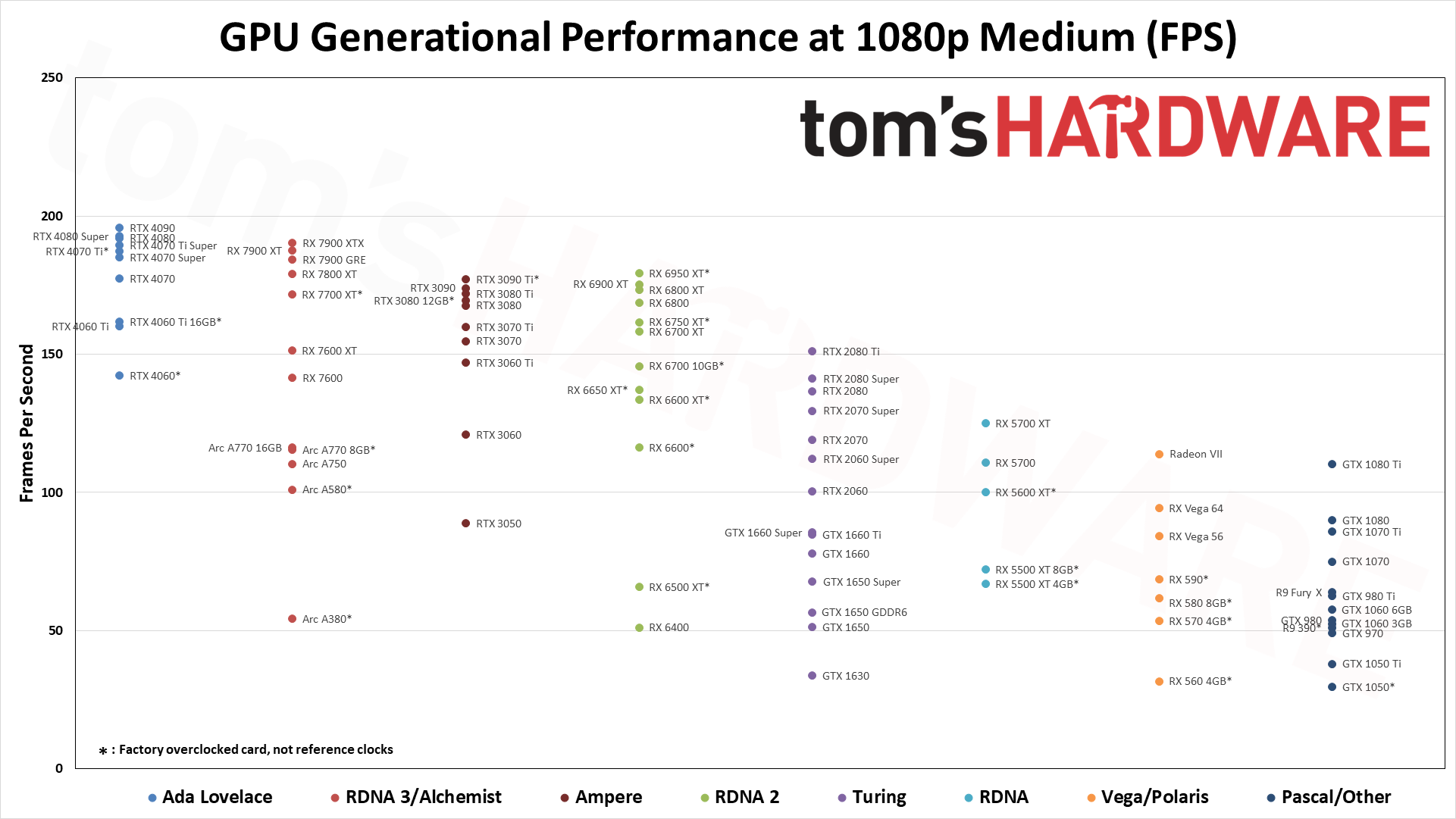
What is FPS and how does my GPU affect it?
FPS (Frames Per Second) measures how many images your screen displays each second, indicating game smoothness. Your GPU is the primary component responsible for generating these frames; a more powerful GPU can render more frames per second, resulting in higher FPS and a fluid gaming experience.
Can I play games without a graphics card?
You can play very old or graphically undemanding indie games using integrated graphics found in some CPUs. However, for any modern AAA title or even moderately demanding games in 2026, a dedicated graphics card is essential for playable frame rates and acceptable visual quality.
What's the difference between a GPU and a CPU in gaming?
The CPU (Central Processing Unit) handles general computing tasks, game logic, AI, and physics. The GPU (Graphics Processing Unit) specializes in rendering all visual data, creating the images you see on screen. Both are vital, but the GPU bears the heavy load for graphics-intensive gaming performance.
Performance & Frame Rates
How does GPU VRAM affect game performance?
GPU VRAM (Video RAM) stores graphical assets like textures and frame buffers. Insufficient VRAM, especially at high resolutions or with high-quality settings, forces the GPU to access slower system RAM, causing stuttering and reduced frame rates. More VRAM ensures smoother data flow for complex modern games.
What GPU factors contribute most to high FPS?
Several GPU factors contribute to high FPS, including its core clock speed, number of processing cores (shaders), memory bandwidth, and VRAM capacity. A balanced combination of these, alongside efficient architecture and optimized drivers, allows a GPU to render frames quickly and consistently.
How do I optimize my GPU settings for better FPS?
To optimize for better FPS, update your GPU drivers, lower demanding in-game settings like shadows, anti-aliasing, and volumetric clouds. Adjust resolution scaling, and utilize performance modes in your GPU's control panel (NVIDIA Control Panel, AMD Adrenalin). Experimentation helps find the best balance for your system.
Should I prioritize GPU over CPU for gaming?
For most gaming scenarios, especially in 2026, you should prioritize your GPU budget. The GPU has a more direct and significant impact on frame rates and visual quality. However, a balanced system is ideal; an underpowered CPU can bottleneck even a high-end GPU, preventing it from reaching its full potential.
Visual Quality & Settings
What is ray tracing and why does it need a powerful GPU?
Ray tracing is an advanced rendering technique that simulates light more realistically, creating lifelike reflections, shadows, and global illumination. It requires immense computational power to trace individual light rays, making dedicated RT cores in powerful modern GPUs essential for playable frame rates with this feature enabled.
Does resolution greatly impact GPU performance?
Yes, increasing resolution (e.g., from 1080p to 1440p or 4K) significantly increases the workload on your GPU. More pixels need to be rendered, demanding greater processing power and VRAM. A powerful GPU is crucial to maintain high frame rates at higher resolutions, ensuring a sharp and smooth visual experience.
How does texture quality affect my GPU?
Texture quality primarily affects VRAM usage. Higher-resolution textures require more VRAM to store. If your GPU lacks sufficient VRAM for high texture settings, it can lead to stuttering as the system struggles to load textures from slower memory, negatively impacting performance and visual fluidity.
Is it worth enabling advanced graphical features like DLSS/FSR?
Yes, absolutely. DLSS (NVIDIA) and FSR (AMD) are AI-powered upscaling technologies that render games at a lower internal resolution and then intelligently upscale them to your display's native resolution. This significantly boosts FPS while maintaining near-native image quality, offering a substantial performance gain on compatible GPUs with minimal visual compromise.
Troubleshooting Common Issues
How to fix FPS drops and stuttering related to GPU?
To fix GPU-related FPS drops and stuttering, first ensure your graphics drivers are up-to-date. Reduce demanding graphical settings in-game, such as shadows, anti-aliasing, and volumetric fog. Monitor GPU temperatures to prevent thermal throttling. Check for background applications consuming resources. Also, confirm your power supply is adequate for your GPU.
What causes game lag and how can my GPU help?
Game lag can stem from various sources, including network issues (high ping), CPU bottlenecks, or insufficient GPU power. If it's graphical lag, your GPU is struggling to render frames fast enough. Upgrading your GPU, optimizing settings, and ensuring updated drivers can significantly reduce graphical lag, improving responsiveness.
My screen freezes randomly, is it my GPU?
Random screen freezes can indicate a GPU issue, but also RAM, CPU, or driver problems. Overheating GPUs can cause freezing, as can unstable overclocks or faulty drivers. Test your GPU's stability, update drivers, and monitor temperatures using tools. If the issue persists, consider testing other components.
Why does my game crash to desktop with a GPU error?
Game crashes often point to unstable GPU drivers, an unstable GPU overclock, or hardware malfunctions. Try a clean installation of the latest stable drivers. If overclocked, revert to default settings. Monitor GPU temperatures. If errors persist across multiple games, it could indicate a hardware fault with the GPU itself.
GPU & Other Components
Myth vs Reality: Does a powerful CPU make my GPU perform better?
Reality: A powerful CPU doesn't directly make your GPU
Ever wonder, 'Is a GPU really that important for gaming in 2026?' You're not alone. Many gamers ask this crucial question as they build or upgrade their rigs. The short answer is a resounding yes; your Graphics Processing Unit is absolutely vital for a superior gaming experience. It's the powerhouse behind every pixel, every fluid animation, and every stunning visual you see on your screen. Without a capable GPU, even the most powerful CPU can't deliver the immersive worlds and lightning-fast action modern titles demand. Let's dive deep into why this hardware hero is non-negotiable for serious gamers.
The Undeniable Power of the Gaming GPU
The GPU serves as your gaming rig's dedicated visual processor. It handles complex calculations required to render detailed game environments, character models, and special effects. This specialized processing offloads graphical tasks from the CPU, allowing for higher resolutions and faster frame rates. In 2026, advanced GPUs integrate specialized cores for ray tracing and AI-driven upscaling technologies like DLSS or FSR, dramatically enhancing visual fidelity without crushing performance. A strong GPU means crisper textures, more realistic lighting, and an overall more engaging visual journey.
How Your GPU Elevates Every Game Genre
FPS and Battle Royale: The Need for Speed
In fast-paced genres like FPS (First-Person Shooter) and Battle Royale, frame rates are paramount. A high FPS directly translates to smoother gameplay and quicker reaction times, providing a competitive edge. Your GPU is the primary factor in achieving these crucial high frame rates. Lower-end GPUs often struggle, leading to frustrating FPS drop issues and potential stuttering fix challenges during intense combat. For games like Apex Legends or Warzone, aiming for 144Hz or even 240Hz monitors means your GPU needs to keep up.
MOBA and RPG: Visual Grandeur and Detail
MOBA (Multiplayer Online Battle Arena) titles like League of Legends might seem less demanding initially, but complex spell effects and numerous on-screen units still benefit from a robust GPU. RPGs (Role-Playing Games), especially expansive open-world titles, thrive on visual immersion. Think of the breathtaking landscapes in an upcoming 2026 AAA RPG; your GPU renders every blade of grass and distant mountain. These games require powerful GPUs to display intricate details and vast draw distances without compromising performance or causing lag.
Indie, MMO, and Strategy: Consistent Performance Matters
Even Indie games, with their often stylized graphics, benefit from a strong GPU for smooth performance, especially if they push visual boundaries. MMO (Massively Multiplayer Online) games involve many players and complex environments, where a strong GPU helps maintain consistent frame rates during crowded events. Strategy games also require rendering numerous units and complex maps; a good GPU ensures responsiveness and fluid panning, preventing frustrating lag during critical decisions. Reliable performance across all these genres truly enhances the gaming experience.
Tackling Common Gaming Woes: FPS, Stuttering, and Lag
Experiencing an FPS drop, stuttering fix dilemmas, or persistent lag? Your GPU is often at the heart of these issues. An underpowered GPU struggles to process game data fast enough, leading to inconsistent frame delivery. This can manifest as noticeable choppiness or freezing, ruining immersion and competitive play. Proper settings optimization, matching game demands to your GPU's capabilities, is essential. Regularly updating your drivers is also critical for addressing performance issues and unlocking new optimizations. Poor driver management can easily cause preventable performance hiccups.
Drivers: Your GPU's Best Friend
Graphics card drivers are crucial software that allows your operating system and games to communicate effectively with your GPU. Leading manufacturers like NVIDIA and AMD constantly release updated drivers. These updates bring performance improvements, bug fixes, and specific optimizations for the latest game releases. Neglecting driver updates can lead to reduced performance, visual glitches, and even system instability. Always download drivers directly from the official manufacturer's website for the best and safest results. This simple step can dramatically enhance your gaming experience.
The 2026 Gaming Landscape and Your GPU
Looking ahead to 2026, the importance of your GPU only grows. Next-generation games are increasingly leveraging advanced rendering techniques like path tracing and sophisticated AI upscaling. VR gaming continues its slow but steady march into mainstream adoption, demanding immense GPU power for immersive, low-latency experiences. Cloud gaming services also benefit from powerful server-side GPUs, offering high-quality streams. Investing in a modern GPU now helps future-proof your system against the ever-increasing graphical demands of upcoming titles. It truly pays to stay current.
Balancing Your Rig: GPU, CPU, and Beyond
While the GPU is paramount for gaming, it's part of a larger ecosystem. Your CPU (Central Processing Unit) handles game logic, AI, and physics; an underpowered CPU can bottleneck even a top-tier GPU. RAM (Random Access Memory) provides fast data access, influencing loading times and multitasking. Storage, especially NVMe SSDs, drastically reduces load times. Ensure your power supply (PSU) is sufficient for your components. A balanced build prevents any single component from limiting the others, guaranteeing optimal overall system performance and a truly smooth gaming experience. It's about synergy.
Beginner / Core Concepts
- Q: What does a GPU actually do for gaming? I get why this confuses so many people when they're first diving into PC building.A: Hey there! I totally get why this might seem a bit abstract initially, but think of your GPU, or graphics card, as the dedicated artist of your PC. Its main job is to take all the complex game data, like character models, environments, and special effects, and turn them into the beautiful pixels you see on your monitor. It’s specialized hardware designed to rapidly process visual information, letting your CPU focus on other crucial tasks like game logic and AI. Without a capable GPU, games would look like a slideshow or simply wouldn’t run at all. It handles everything from rendering textures to calculating complex lighting effects. It's truly the visual powerhouse! You've got this!
- Q: Do I really need a powerful GPU for all games, even older ones or indie titles? This one used to trip me up too.A: That’s a fantastic question, and it's a common misconception! The honest answer is, it depends on the game. For older titles or less graphically intensive indie games, you might not need the absolute latest, most powerful GPU. Many modern CPUs with integrated graphics can even handle these quite well. However, if you want to play any demanding AAA title, experience high frame rates, or use features like ray tracing in 2026, a dedicated and powerful GPU is non-negotiable. Even some indies can be surprisingly demanding with unique art styles. It’s all about matching your hardware to your gaming aspirations. Try comparing performance in your favorite games.
- Q: How does a GPU affect my FPS (Frames Per Second)? I'm trying to understand this better.A: Great question! Your GPU is the primary engine driving your FPS. Think of FPS as how many individual pictures your screen displays per second. The more pictures, the smoother and more fluid your game looks and feels. A powerful GPU can render more frames per second because it processes visual data much faster. If your GPU is struggling, it can't draw enough frames quickly, leading to lower FPS and a choppier experience. This is especially noticeable in competitive games where every millisecond counts. It’s why gamers chase high frame rates for that silky-smooth visual feedback. You're on the right track!
- Q: What's the difference between a GPU and a CPU when it comes to gaming? I've heard both are important.A: Absolutely, both are vital, and I get why the distinction can be blurry! Imagine your gaming PC as a complex orchestra. Your CPU (Central Processing Unit) is the conductor; it manages all the general instructions, game logic, AI, physics, and tells everyone what to do. Your GPU (Graphics Processing Unit) is the lead violinist, specializing solely in rendering all the visual information the game needs to display. While the CPU prepares the data, the GPU is responsible for drawing every pixel on your screen. They work in tandem, but for the *visuals* and *smoothness* of the game, the GPU carries the heaviest load. It's a team effort!
Intermediate / Practical & Production
- Q: My games stutter and sometimes lag. Is my GPU definitely the culprit, or could it be something else? This is super frustrating!A: Oh, stuttering and lag are the absolute worst, I totally feel your pain! While an underpowered GPU is a *very* common cause, it's not always the sole culprit, which is why troubleshooting can be tricky. Stuttering often points to inconsistent frame delivery, which a struggling GPU can certainly cause, especially if it's hitting 100% utilization constantly. However, lag, especially network lag (high ping), is usually internet-related, not GPU. Random stutters can also come from insufficient RAM, slow storage (if the game is loading assets), or even CPU bottlenecks. Always start by monitoring your GPU usage and temperatures, but keep other components in mind too. You'll get to the bottom of this!
- Q: How do I know if my GPU is powerful enough for the games I want to play in 2026? I don't want to overspend.A: That’s an excellent, practical question, and it's smart to think about value! The best way to gauge this is to check the recommended system requirements for the specific games you're eyeing. Game developers usually list a minimum and recommended GPU. Then, look up benchmarks for your specific GPU model playing those games on YouTube or tech review sites. Pay attention to the resolution you want to play at (e.g., 1080p, 1440p, 4K) and your target FPS (e.g., 60 FPS, 144 FPS). If your GPU consistently hits those targets in reviews, you're likely good to go without overspending. It's all about research!
- Q: What's "VRAM" and why is it important for my GPU, especially with 2026 games? This term gets thrown around a lot.A: VRAM, or Video Random Access Memory, is essentially your GPU's own super-fast dedicated memory. I get why this might seem like just another spec, but it's really important! It stores all the graphical data your GPU needs to quickly access for rendering, like textures, frame buffers, and environmental details. For 2026 games, especially at higher resolutions (1440p, 4K) or with ultra-high texture settings and ray tracing enabled, games demand a lot more VRAM. If your VRAM is insufficient, your GPU has to offload data to slower system RAM, causing stutters and performance drops. Aim for at least 8GB for 1080p, and 12GB+ for 1440p/4K in new titles. You've got this, understanding VRAM is key!
- Q: How important are GPU drivers, and how often should I update them? I tend to just let Windows do its thing.A: GPU drivers are incredibly important, and I get why it's easy to overlook them! They're the critical software bridge that allows your GPU to communicate effectively with your games and operating system. Manufacturers like NVIDIA and AMD release driver updates frequently, often coinciding with major game launches. These updates bring performance optimizations, bug fixes, and support for new features. Neglecting them can lead to lower FPS, unexpected crashes, or visual glitches. I recommend checking for updates at least once a month, or whenever a new AAA game you're playing is released. Always download them directly from the GPU manufacturer's official website. You'll definitely notice the difference!
- Q: Does GPU settings optimization actually make a big difference, or is it mostly just about having a powerful card?A: Settings optimization makes a HUGE difference, my friend, and it's a critical skill to master for any gamer! While a powerful card is awesome, even the mightiest GPU can be brought to its knees by poorly optimized settings. Conversely, a mid-range card can deliver a surprisingly smooth experience with smart tweaking. Reducing demanding settings like shadows, volumetric clouds, or anti-aliasing can often yield significant FPS gains with minimal visual impact. It’s about finding that sweet spot between visual fidelity and performance for *your* specific hardware and preferences. Don't underestimate the power of a few wise slider adjustments! Give it a try!
- Q: Can a bad CPU bottleneck my powerful GPU, making it seem less important? I heard this term "bottlenecking" and it sounds bad.A: Yes, absolutely! This is a really important concept, and I get why "bottlenecking" sounds intimidating. Even if you have the most powerful GPU money can buy, an older or underpowered CPU can definitely hold it back. The CPU is responsible for preparing all the game data for the GPU to render. If the CPU can't feed the GPU data fast enough, your powerful GPU will sit around waiting, unable to reach its full potential. You'll see lower GPU utilization and lower FPS than expected. It's like having a Ferrari engine but only a tiny fuel line. You want a balanced system where no single component significantly limits the others. It's worth checking!
Advanced / Research & Frontier 2026
- Q: What's the future of GPU technology for gaming look like by 2026, especially with AI and ray tracing? This is super exciting!A: Oh, this is where things get really fascinating, and I’m glad you’re asking about the cutting edge! By 2026, we’re seeing even deeper integration of AI into GPU pipelines. AI upscaling technologies like NVIDIA's DLSS or AMD's FSR are already standard, and in 2026, they’re more refined, offering nearly native image quality with massive performance gains. Ray tracing, which simulates light more realistically, is also evolving from an optional feature to a more pervasive element in game engines, supported by dedicated hardware acceleration. Expect more complex path tracing, further optimizations, and perhaps even early forms of generative AI for dynamic game content. It's going to be wild!
- Q: How will cloud gaming platforms impact the need for personal, high-end GPUs by 2026? It seems like a game-changer.A: That’s a sharp observation about a significant industry shift! Cloud gaming platforms like GeForce Now or Xbox Cloud Gaming are indeed making powerful GPUs *less of a personal necessity* for some users. By 2026, these services will be more robust, offering lower latency and higher fidelity streams, essentially allowing you to play AAA games on much weaker local hardware (even a phone!). However, for enthusiasts who demand the absolute lowest input lag, uncompressed visuals, and the freedom of local control and modding, a high-end personal GPU will still be paramount. It's more about offering choice and accessibility than outright replacing local hardware for everyone. It's an exciting future for gamers!
- Q: What are the considerations for professional esports players regarding GPUs in 2026? Is it still about raw FPS, or are there new factors?A: For professional esports, raw FPS and minimal latency will always be king, and that hasn't changed by 2026. A powerful GPU remains fundamental for pushing incredibly high frame rates on high-refresh-rate monitors (240Hz, 360Hz, or even higher). Beyond just frames, pro players are also looking at system responsiveness metrics like NVIDIA Reflex or AMD Anti-Lag, which minimize input lag between clicks and on-screen action, and these are deeply tied to GPU efficiency. Consistent frame pacing (no micro-stutters) is also crucial. While visual enhancements are nice, competitive integrity still hinges on absolute performance and responsiveness, making a top-tier GPU an indispensable tool for pros. You've got this competitive edge covered!
- Q: Are there any emerging GPU technologies that might completely change how we think about gaming performance in the next few years?A: Absolutely! Beyond current AI upscaling and ray tracing, we're seeing exciting research into things like neural rendering, where GPUs could render entire scenes using AI models trained on real-world data, potentially leading to unprecedented realism with less computational overhead. Another area is foveated rendering, especially for VR, where the GPU renders only what you're directly looking at in high detail, saving resources elsewhere. And let's not forget advancements in chiplet designs for GPUs, allowing for more modular and scalable performance. While these are still maturing by 2026, they hint at a future where our GPUs do more with less, transforming visual experiences. Keep an eye on these innovations!
- Q: What's the impact of GPU memory bandwidth and interface (PCIe 5.0) on gaming performance in 2026? Is it worth upgrading for?A: That’s a very sharp question that gets into the nitty-gritty of performance! GPU memory bandwidth, essentially how quickly data can move in and out of the VRAM, is crucial for feeding those massive 2026 textures and complex scenes to the GPU's processing cores. Higher bandwidth almost always means better performance, especially at higher resolutions. As for PCIe 5.0, it doubles the bandwidth of PCIe 4.0, which means faster communication between the CPU and GPU. For *current* games (even in 2026), the performance gains from PCIe 5.0 over 4.0 for a standalone GPU are often minimal, as even 4.0 provides ample bandwidth. However, for future proofing and specific workloads, it offers headroom. Upgrading *just* for PCIe 5.0 might not be worth it for gaming alone, unless you're building a new system for the next 5-7 years. It's a subtle but important detail!
Quick 2026 Human-Friendly Cheat-Sheet for This Topic
- Your GPU is the single most important component for game visuals and frame rates. Don't skimp if you want smooth gaming!
- Always match your GPU to your monitor's resolution and refresh rate for the best experience.
- Keep your graphics drivers updated regularly – it's like a free performance boost for new games!
- Don't forget about VRAM; aim for 8GB+ at 1080p, and 12GB+ for 1440p/4K gaming in 2026.
- Tweak in-game settings! Reducing shadows or volumetric effects can give you big FPS gains without ruining the view.
- A balanced system is key; your CPU needs to keep up with your GPU to avoid annoying bottlenecks.
- For competitive play, prioritize raw FPS and low input latency from your GPU.
GPU is fundamental for high-quality visuals and smooth performance in all games. It directly impacts frame rates, preventing stutters and lag, especially at higher resolutions. A powerful graphics card is crucial for achieving immersive gaming experiences with modern features like ray tracing. Future-proofing your gaming rig heavily relies on a capable GPU. Balancing your GPU with other components like the CPU is essential for optimal system performance.
35

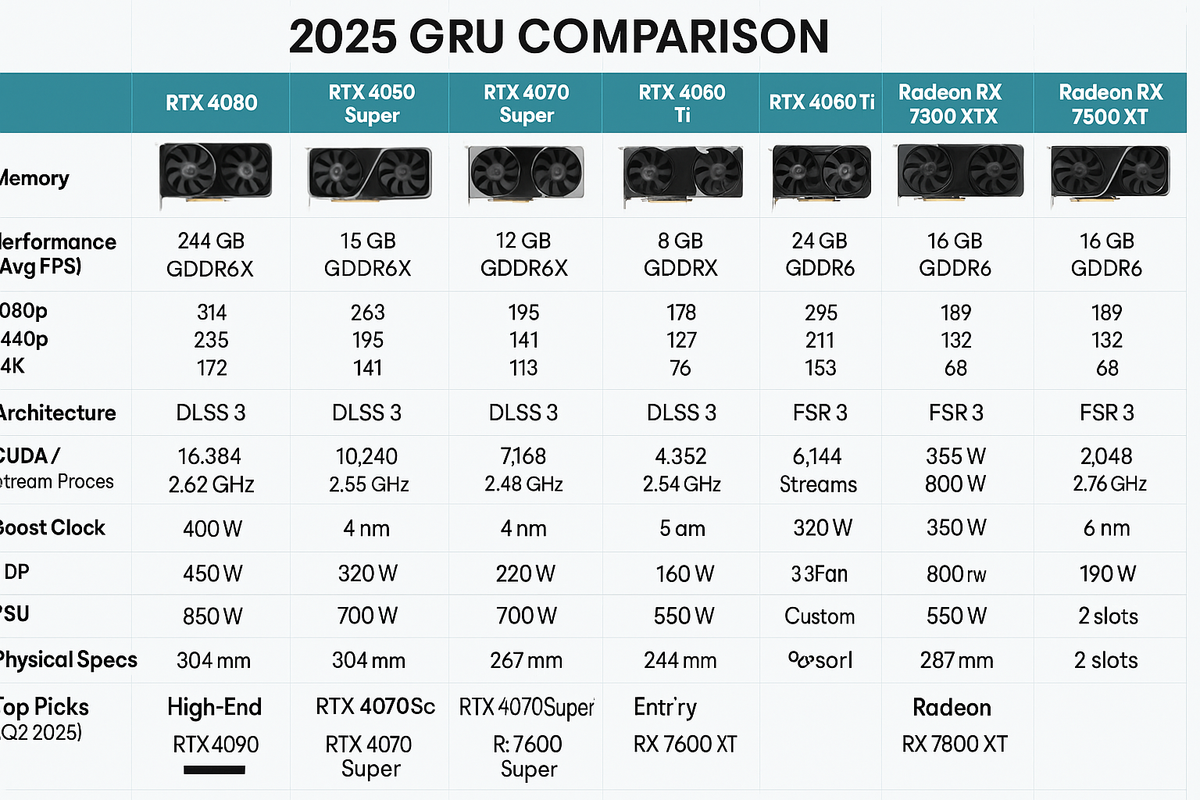

AMD RDNA 4 GPUs To Incorporate Brand New Ray Tracing Engine Vastly AMD UDNA Radeon Gaming GPUs . Best GPUs To Upgrade To In 2026 My Honest Take Tech Tactician 100420 1536x772 . Why Is A GPU Important For Gaming Explore Now ZfSevScg 11zon.webp. Info Ultimate Graphics Card Comparison Guide 2025 NVIDIA AMD A Comparison Chart Titled 2025 GPU COMPARISON Sy . G SYNC Pulsar Explained 1000Hz Motion Clarity Without Flicker New Year Graphics Card Deals 2026 Discounts On NVIDIA AMD ASUS More
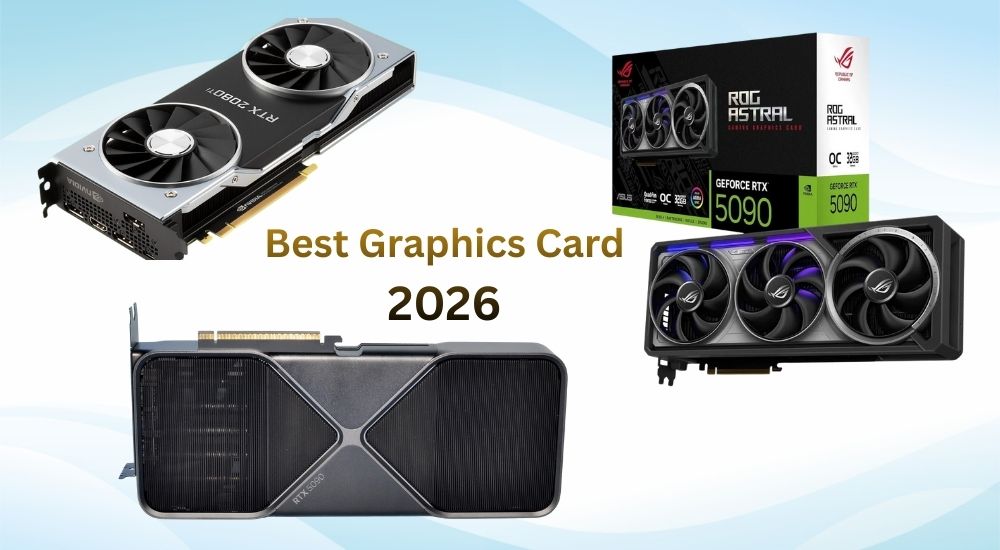

Unleashing The Beast How GPUs Are Powering The Future Of Computing Graphics Card . Best Graphics Card 2026 Top GPUs For Gaming AI Value Best Graphics Card 2026 . How To Choose The Right GPU In 2026 Resolution VRAM Feature Guide Image 18 . Best GPU For 1440p In 2026 Our Top Picks For 144Hz And 240Hz Gaming Best GPU For 1440p 144Hz . Best RTX 4060 GPUs In 2026 Our Top Picks PC Guide Best GPU For CS2 In 2024 Top Graphics Cards For Counter Strike 2


PC Gaming In 2026 Faces GPU Shortages And Rising Prices NoobFeed Rx 9060 Xt . 7 Best 1080p Gaming GPUs Of 2026 Top 1080p Gpu . Best Gaming Graphics Card 2025 Gpu Tier List 2025 YRCKY Best GPU For Gaming 2024 . 7 Best Budget Gaming PCs In 2025 Best Gpu For Gaming . GPU Temperature Guide 2026 Safe Ranges For Graphics Cards Featured Image J0ry19i7


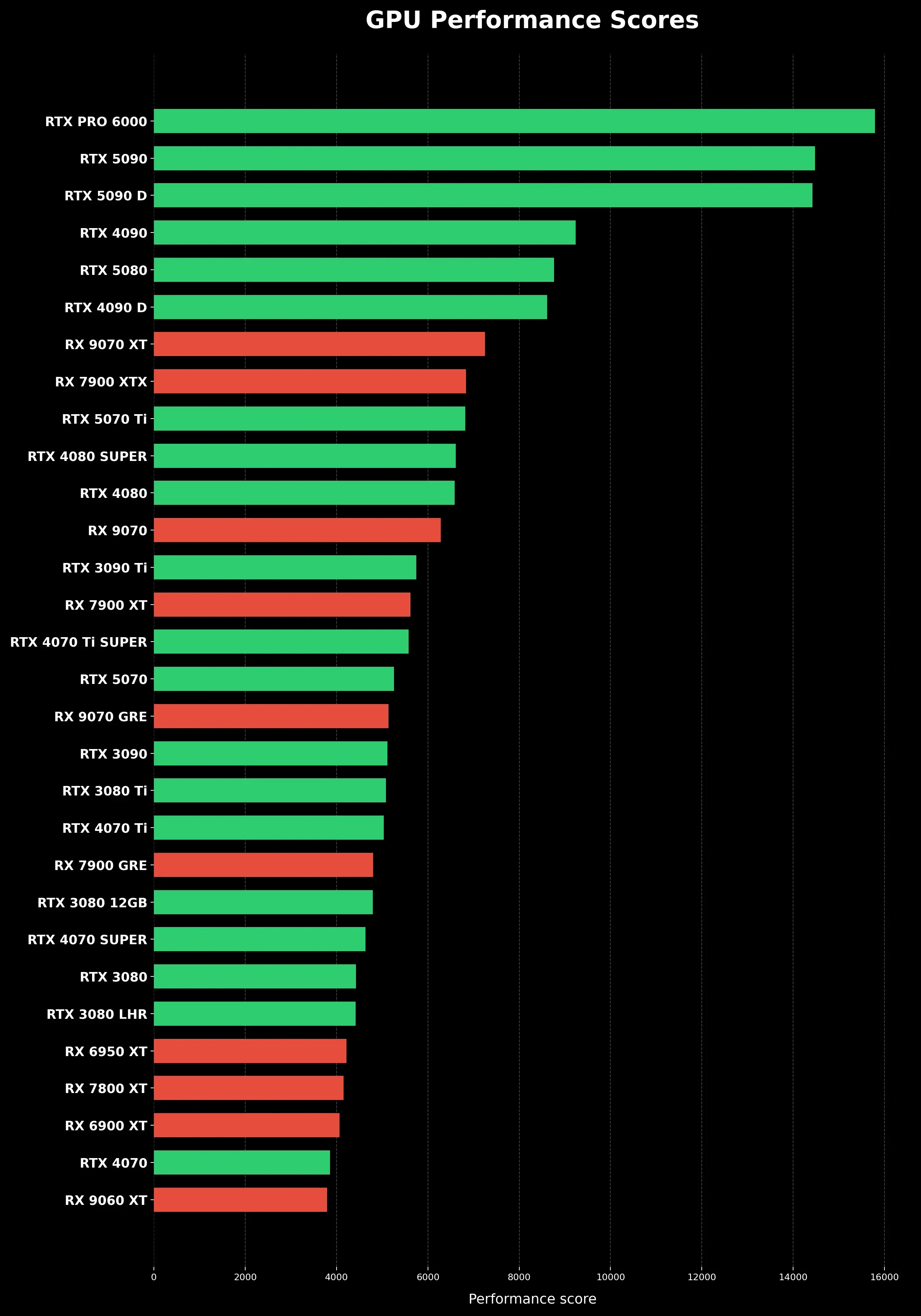
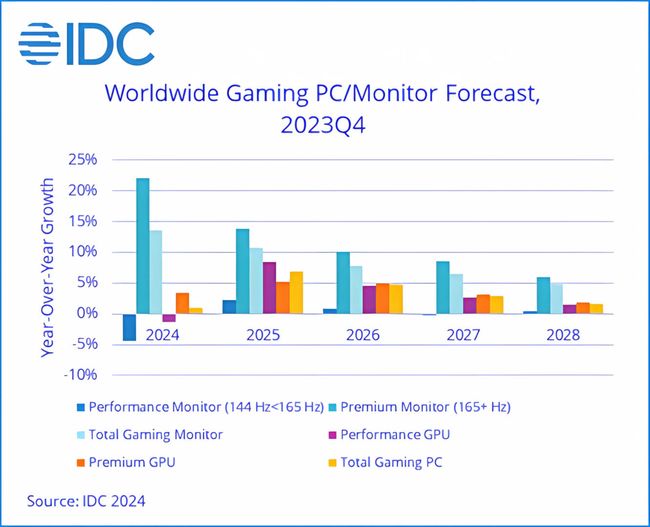
Best GPUs Graphics Cards For Gaming In 2025 1080p 1440p 4K YouTube . How To Find Out What Graphics Card You Have On Your PC Or Laptop In 2026 1767789256 AMD Graphics Card Vs Nvidia Graphics Card. Which GPU Is Best In 2026.webp. Nvidia Vs AMD Graphics Cards Which GPU Is Better For Gaming In 2026 Rtx 5070 Ti . Best Graphics Card 2026 Comparison Ranking And Buying Guide For PC Gpu Performance Scores Clean Vertical. Gaming PC And Graphics Card Shipments Will Grow Into 2025 Due To 650 80

2022 2024 GPU Hiearchy GPU Benchmarks Hierarchy 2025 Graphics Card . PC Gamer Hardware Awards The Best Graphics Card Of 2024 PC Gamer 1732 80 . Why Is A GPU Important For Gaming Explore Now 11zon . Product Support A715 76G Acer United States Why Gpu Prices Are Expected To Rise In 2026 . Best Worst GPUs Of 2023 For Gaming 100 To 2000 Video Cards Best Gpus 2023 00038 .webp

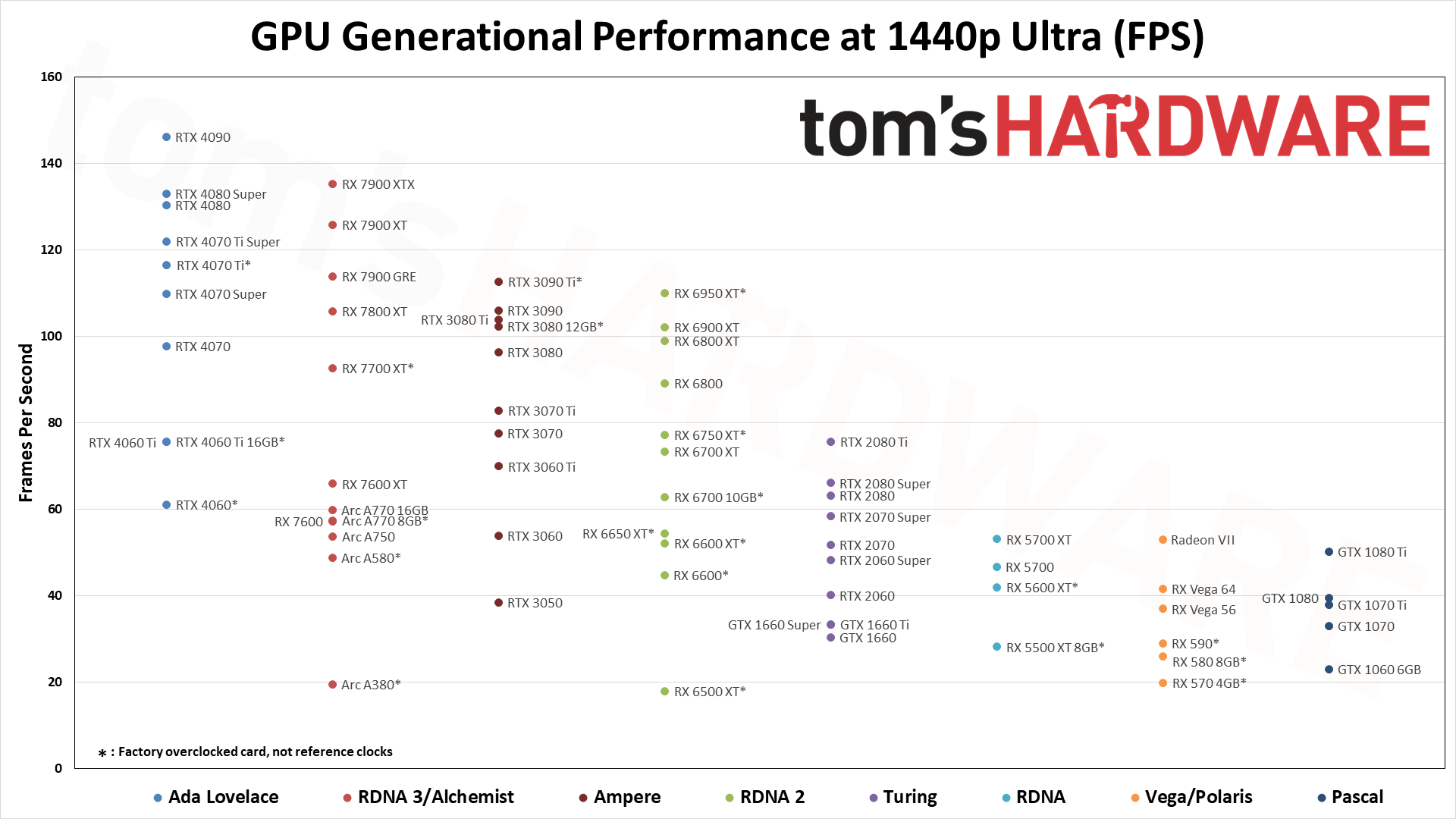


2026 GPU Launch Outlook Nvidia AMD And Intel Rumors NoobFeed Intel Arc B580 . 2022 2024 GPU Hiearchy GPU Benchmarks Hierarchy 2025 Graphics Card . TOP 50 BIGGEST NEW Games Coming In 2026 With Crazy NEXT GEN 4K Graphics . Top 10 Most Anticipated Games Of 2026 What To Watch Out For GAMES IN 2026 . Video Game Immersion 4 Types Of Immersive Gaming Experiences Explained 0ad64b

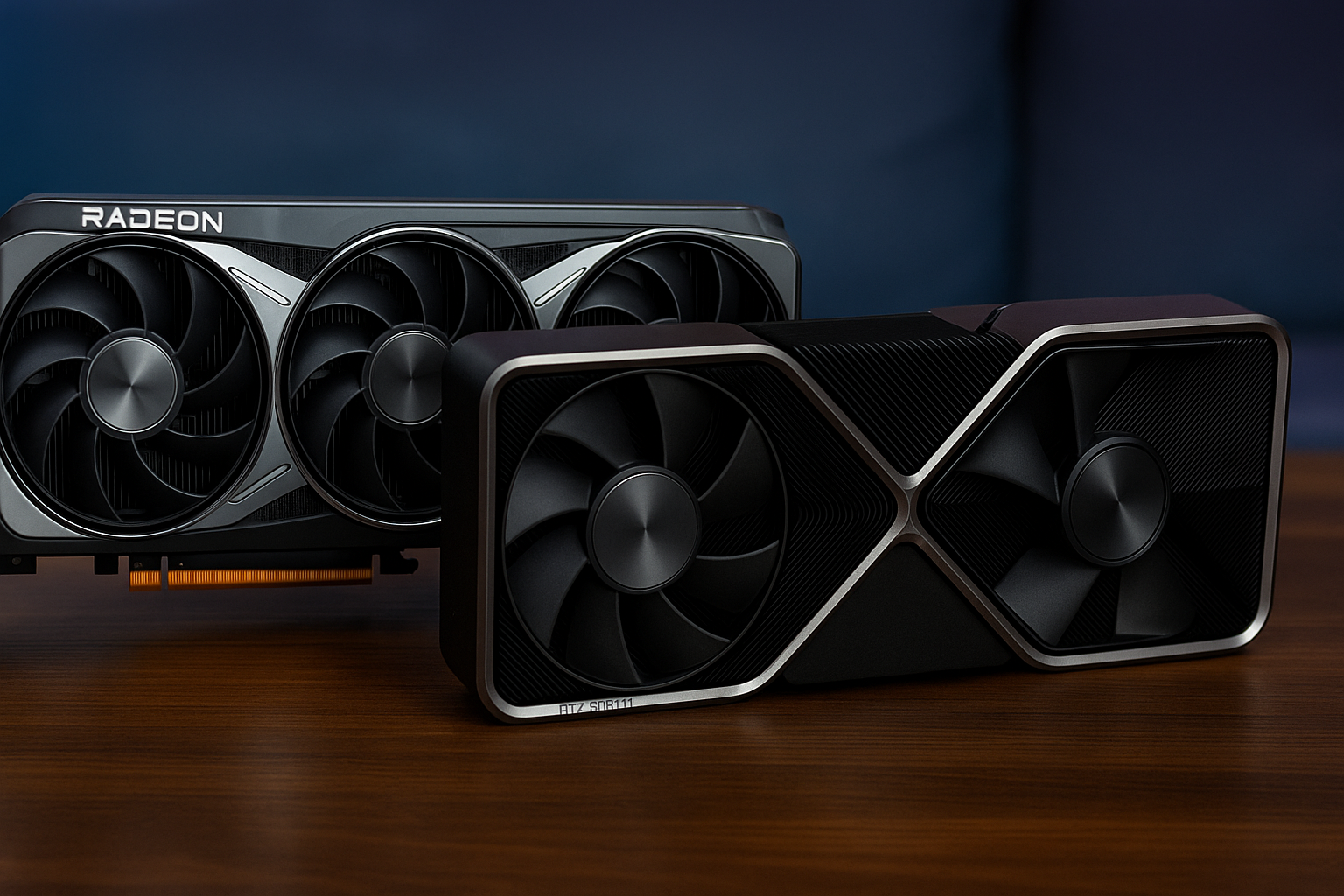
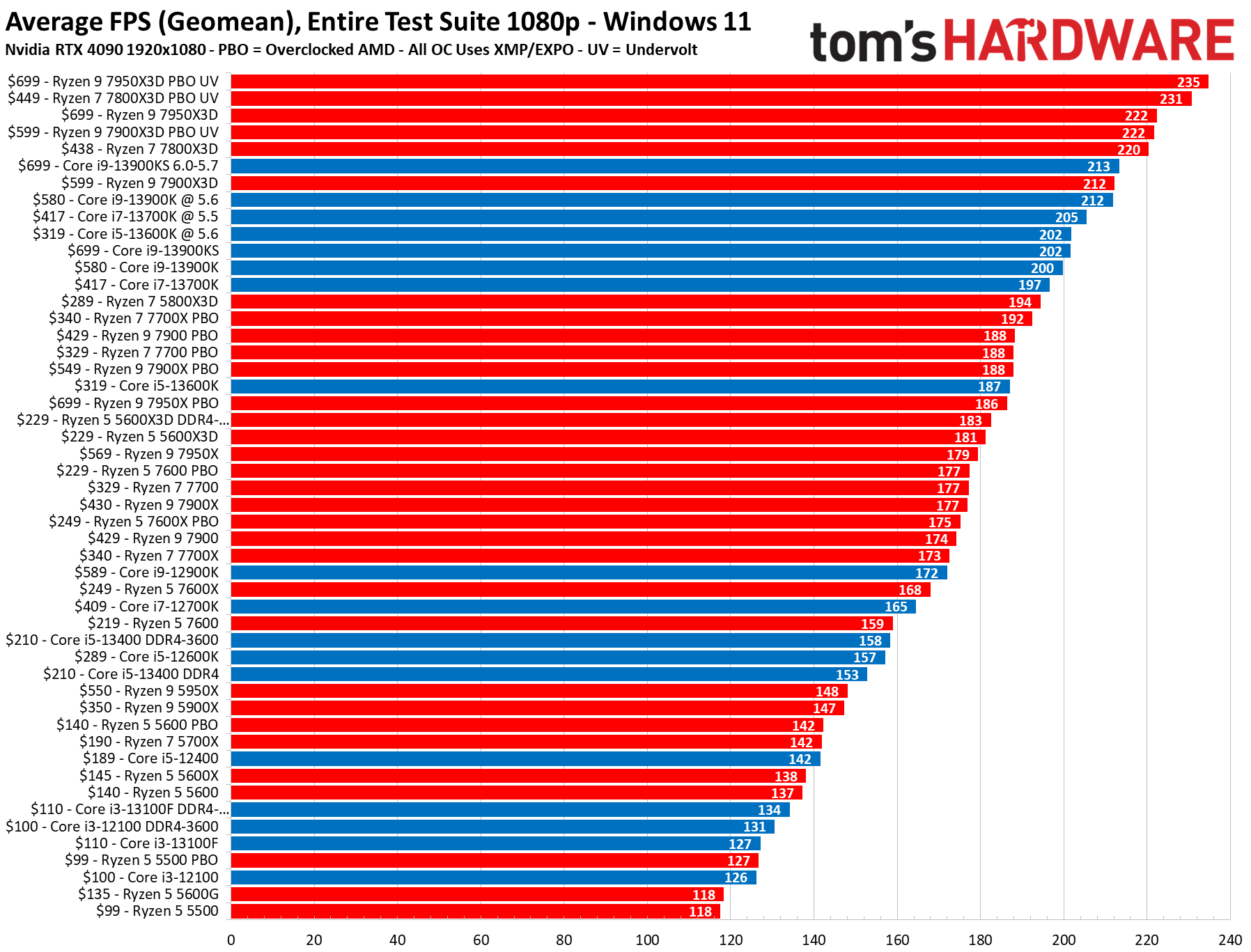
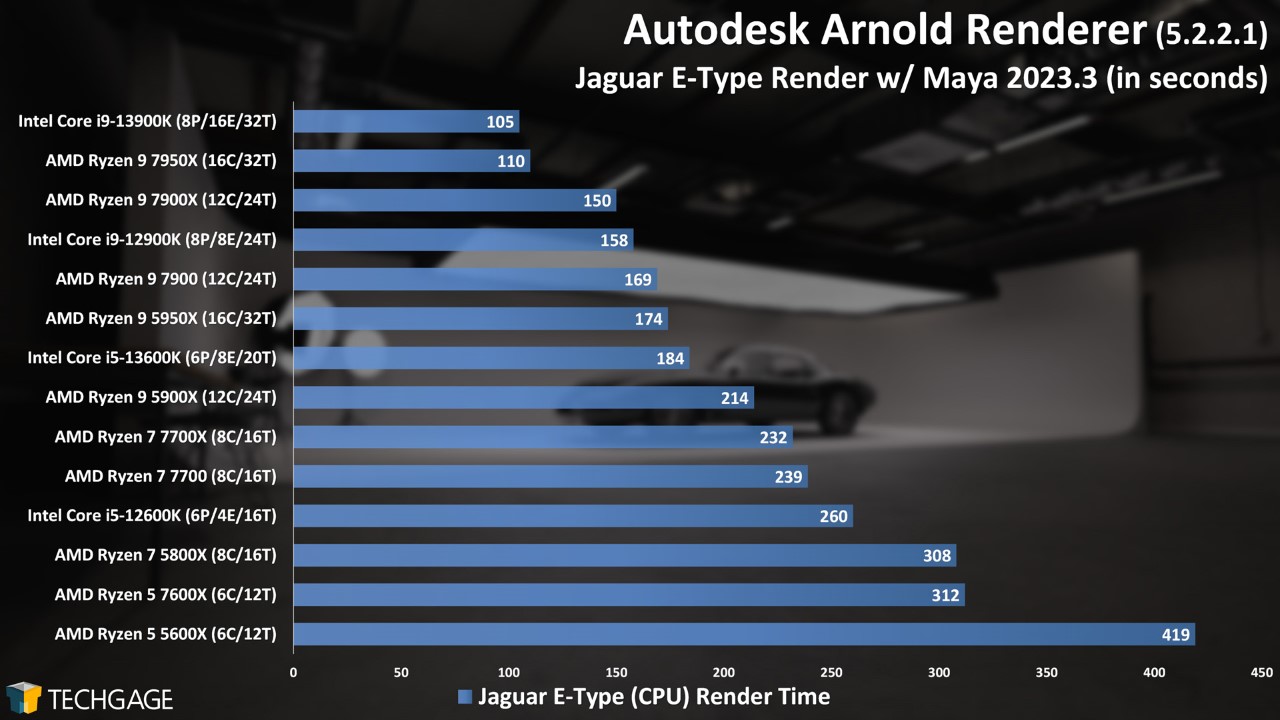
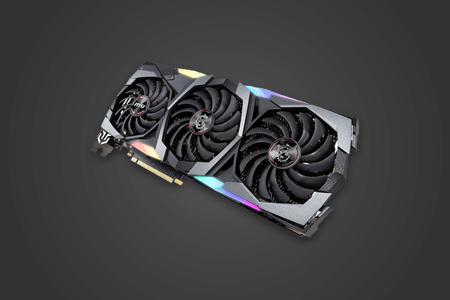
The Game Changer Why Are GPUs Important For Gaming Modern Gamer 1 P79026 What Is A GPU And Why Is It Important For Gaming 980b12a48e 536877100 . Best Budget Ultra Wide Gaming Monitors For 2026 Performance Without 1536x1024 . Defying Anti Cheat Creator Gets Battlefield 6 Running On 12 Year Old . Arnold CPU Vs GPU In Maya 2026 Which One Should You Choose Arnold Arnold CPU Vs GPU In Maya 2026 Which One Should You Choose 3 . 5 Best GPUs For 2K Gaming In 2026 News Main Preview 9413