Dive into the exciting world of board game creation. This comprehensive guide details how to create a board game from concept to playtesting, ensuring your design thrives. Discover key steps for developing mechanics, crafting compelling narratives, and prototyping effectively. Learn about balancing gameplay, iterating designs, and finding your target audience. We explore everything from initial ideation to potential publishing pathways in 2026. Whether you are a beginner or a seasoned designer, this resource provides invaluable insights and practical tips. Understand the process of transforming a simple idea into a fully realized, engaging board game experience. We cover common pitfalls and best practices to help you succeed in this creative endeavor. Get ready to design your next tabletop hit. This article delves into optimizing settings, addressing FPS drops, fixing stuttering, and minimizing lag, crucial for playtesting performance.
Welcome to the ultimate resource for aspiring board game creators! The world of tabletop gaming is buzzing in 2026, with innovative designs and advanced production methods setting new standards. This living FAQ is your go-to guide, updated with the latest insights, tips, and tricks to help you navigate the exciting journey of developing your own board game. Whether you're battling concept block, fixing those pesky design bugs, refining your core build, or planning your endgame strategy for publishing, we've got you covered. From beginner fundamentals to advanced strategies, this comprehensive compilation addresses the most asked questions by designers at every stage. Get ready to turn your brilliant ideas into a tangible, playable reality.
Board Game Design Fundamentals
Can a beginner really create a successful board game?
Absolutely! Many highly successful board games started as simple ideas from first-time designers. Focus on a clear, engaging core mechanic and a strong theme. Start small, prototype with basic materials, and iterate based on feedback. Passion and persistence are more critical than prior experience. Don't be afraid to learn as you go.
What is the very first step in designing a board game?
The initial step is conceptualizing your core idea or "hook." This means deciding what players will fundamentally do and why it's fun. Sketching out these basic interactions on paper is paramount. This forms the foundation of your game's mechanics and player engagement. It ensures a compelling experience.
How important is playtesting in board game development?
Playtesting is supremely important and arguably the most crucial step. It helps identify balancing issues, unclear rules, and areas that aren't fun. Regular playtesting with various groups ensures your game is refined, fair, and engaging. It’s the fastest way to improve your design and catch problems early. This feedback loop is essential.
Refining and Producing Your Game
How do I make my board game's rules clear and easy to understand?
Clarity in rulebooks is essential. Write concisely, use clear headings, and provide plenty of examples for complex interactions. Get people unfamiliar with the game to read the rules and try to play. If they struggle, you know where to simplify. Visual aids, like component lists and setup diagrams, are also invaluable.
Myth vs Reality: Do I need expensive components to make a good board game?
Myth: You need expensive components to make a good board game. Reality: Great gameplay trumps fancy components, especially in early stages. Focus on mechanics and fun first. Initial prototypes can use paper and pennies. Invest in quality components later, once your game is proven fun and ready for production. Prioritize the player experience.
What's the process for finding a publisher or self-publishing my board game?
For publishing, research companies that fit your game's genre and submit a polished prototype with a clear sell sheet. For self-publishing, consider crowdfunding platforms like Kickstarter. This requires managing manufacturing, fulfillment, and marketing effectively. Both paths demand dedication and a solid understanding of the industry, offering different benefits.
Hey gamers, have you ever wondered how those epic board games like 'Catan' or 'Gloomhaven' truly came to life? Have you also thought, "Can I realistically create a board game that people will actually want to excitedly play?" The answer to both is a very resounding yes indeed! We all dream of seeing our innovative ideas on game night tables worldwide, inspiring joy. Crafting your own unique board game is an incredibly rewarding and deeply fulfilling journey for many creators. It seamlessly combines pure creativity, strategic thinking, and a wonderful touch of artistic magic. It’s a complex process that has greatly evolved, especially with 2026’s enhanced accessibility to new design tools. Today, aspiring designers truly have more invaluable resources readily available than ever before. We’re going to pull back the curtain on this incredibly exciting and highly creative process together. Get ready to transform your brilliant original ideas into a tangible, playable, and engaging gaming experience. Let's dive into making your very own successful board game a vibrant reality, shall we?
Beginner / Core Concepts
Are you just starting your board game design journey? Don't worry, we've all been there! These questions tackle the very basics.
1. Q: How do I even start creating a board game when I have no idea? A: I totally get why this feels overwhelming at first, but honestly, you just start by doodling an idea. Pick a core concept you love, like "players trade resources to build settlements" or "explorers discover ancient ruins." Don't worry about perfection, just get the main 'hook' down. Think about what makes games you enjoy so compelling. What mechanisms truly excite you? Brainstorm simple actions players will take during a turn. Sketch out a rough idea for a game board or some card concepts. The first step is always the hardest mental hurdle, so just get *something* on paper. You’re building a foundation, not a cathedral, at this stage. We're talking sticky notes and quick sketches here. This initial brain dump is crucial for laying out your fundamental ideas. You've got this!2. Q: What's the most important element for a first-time designer to focus on? A: For beginners, the single most critical element is the *core loop* of your game. This is what players will be doing over and over again. Is it 'gather resources, then build'? Is it 'move your character, then fight monsters'? Get that core loop solid and fun. If the central repetitive action isn't engaging, no amount of fancy components will save it. Many new designers get caught up in elaborate themes or intricate rules before the basic gameplay is locked down. My advice? Strip it back, playtest that simple loop with just paper and pennies. Ensure it feels good, offers interesting choices, and has a clear objective. This iterative focus is how even complex games find their footing. Try this tomorrow and let me know how it goes.3. Q: Do I need to be an artist or a programmer to make a board game? A: Absolutely not, and I get why this assumption trips up so many creative people. You definitely don't need to be either of those things, especially at the start! Your initial prototypes should be functional, not beautiful. We're talking paper, index cards, spare dice, and maybe some borrowed pawns. Seriously, stick figures are perfectly fine for your first few iterations. Later, if your game proves fun, you can collaborate with artists. Websites like ArtStation or Fiverr are brimming with talented individuals. You can also use digital tools like Tabletop Simulator for virtual playtesting, which helps with component visualization without needing art skills. Focus on the *game* first; the aesthetics come later. You’re building the engine, not painting the car, right?4. Q: How important is a game's theme, and should I start with it or the mechanics? A: This one used to trip me up too! Honestly, there’s no single "right" answer. Some designers start with a compelling theme, like "space pirates exploring a new galaxy," and build mechanics around it. Others start with an interesting mechanic, such as "a unique worker placement system," and then find a theme that fits. What's crucial is that the theme and mechanics eventually *synergize*. They should feel like they belong together. If your theme is about peaceful farming but your mechanics involve aggressive combat, it will feel disjointed. For a first game, perhaps pick something you're passionate about, either a theme or a mechanic. Let that passion drive your initial design. A cohesive experience makes the game much more immersive.Intermediate / Practical & Production
Alright, you've got your core idea. Now let's talk about turning that spark into a playable prototype.
5. Q: What are some effective strategies for early-stage prototyping? A: Early-stage prototyping is all about rapid iteration, my friend! Don't spend hours making perfect components. Seriously, use index cards, sticky notes, and existing game pieces. The goal is to test your ideas quickly and cheaply. Print components on regular paper and cut them out. Even simple spreadsheets can manage complex game states or resource tracks. I've seen some incredible games start with nothing more than pen, paper, and dice. Focus on making changes based on playtest feedback. You're building a working skeleton, not a finished product. The quicker you can test, the quicker you can learn. This agile approach is key to refining your design efficiently. You’re basically running a scientific experiment with fun.6. Q: How do I balance my game mechanics to ensure fairness and fun for everyone? A: Balancing is an art, and it's something you'll constantly iterate on. It's tough! Start by identifying your game's victory conditions and the paths players can take to achieve them. Are there dominant strategies? Are some player abilities too powerful or too weak? Use simple math where you can; for example, if one action gives 3 resources, and another gives 1, the 3-resource action needs a significant drawback. Pay close attention during playtesting to player complaints or consistent win patterns. Sometimes, a subtle tweak to starting resources or turn order can make a huge difference. Remember, "fair" doesn't always mean "equal," but it should mean "equitable opportunities." You want interesting choices, not obvious ones.7. Q: What's the best way to get meaningful feedback from playtesters? A: This is where the magic really happens. First, don't explain all the rules upfront if you can avoid it; let them discover and ask. Second, *listen more than you talk*. Resist the urge to defend your design. Ask open-ended questions like "What was confusing?" or "What did you enjoy most?" rather than "Was it fun?" Observe their actions and expressions. Pay attention to how often they check the rulebook. Encourage critical feedback, even if it feels harsh. This feedback is gold! Tools like Google Forms can help collect structured insights, but direct conversation is invaluable. Remember, they're helping *you* make the game better, so embrace their perspective. You're building a better experience for them.8. Q: How important is a clear rulebook, and what makes a good one? A: A clear rulebook is absolutely paramount; it’s the instruction manual for fun! I get why many designers put this off, but it's where your game lives or dies for new players. A good rulebook is concise, well-organized, and uses clear language. Start with a brief overview of the game's objective, then break down components, setup, and turn structure logically. Use examples for complex interactions and include a visual component breakdown. A glossary of terms is also incredibly helpful. Get friends who haven't played the game to read just the rulebook and try to set it up. If they can't, you know where to improve. Think of it as explaining your game to someone who's never met you.9. Q: When should I consider digital tools like Tabletop Simulator for design? A: Tabletop Simulator (TTS) is a game-changer, especially in our 2026 remote-first world for collaborative design. You should consider it once your physical prototype has a stable core loop and you want to expand your playtesting pool beyond your local group. It's fantastic for remote playtests and for creating more visually appealing (though still functional) prototypes without the physical crafting. While it has a learning curve, the investment pays off by letting you quickly iterate and share your game with testers worldwide. Just remember, it's a tool, not a replacement for physical playtesting. There's a different tactile feel to physical components that you don't get digitally. It’s like testing an app versus holding a physical book.10. Q: What kind of intellectual property considerations should I be aware of? A: This isn't the most glamorous part, but it's super important, especially if you plan to publish! You don't want to unknowingly infringe on someone else's creations. Generally, mechanics themselves aren't copyrightable, but specific expressions of those mechanics, unique art, and names are. Avoid direct copying of existing game names, characters, or unique visual styles. If your game concept is truly unique, you might consider trademarking your game's title or key characters. Consulting with a legal professional specializing in intellectual property is always a smart move before going to market. It's better to be safe than sorry later down the line. Protect your baby, you know?Advanced / Research & Frontier 2026
Ready to push the boundaries? These topics explore the cutting edge and deeper strategies in board game design.
11. Q: How can I leverage AI/ML tools in 2026 for game design and playtesting? A: Oh, this is where it gets really exciting! Frontier models like o1-pro and Gemini 2.5 in 2026 are truly changing the game. You can use AI to simulate complex game states and analyze potential strategies, identifying imbalances far faster than manual playtesting. Imagine feeding your ruleset into an AI that then runs thousands of games against itself, highlighting statistical anomalies or broken combos. I've seen designers use Llama 4 reasoning to generate thematic flavor text or even procedural quests based on game parameters. You can also use AI for early-stage art generation or even balancing initial economic systems. It won’t replace human creativity, but it's a powerful co-pilot for optimization and rapid iteration. Try integrating a simple AI agent into your next TTS prototype; it's a fantastic learning experience.12. Q: What are the emerging trends in board game components and production for 2026? A: It's wild how much things are evolving! In 2026, we're seeing a huge push towards sustainability, with eco-friendly materials like recycled plastics and plant-based composites becoming standard. Miniatures are increasingly detailed thanks to advanced 3D printing techniques, making custom pieces more accessible even for smaller runs. Integrated digital components, like app-driven gameplay or AR experiences interacting with physical boards, are also gaining traction, enhancing immersion. Think dynamic game states on your tablet influencing physical board elements. High-quality inserts and innovative storage solutions are also a big deal. Players expect a premium unboxing experience. Keep an eye on modular design, allowing for high replayability with fewer components.13. Q: How do I build a strong community around my game before and after launch? A: Community building is crucial for long-term success, and it starts long before launch! Engage with potential players on platforms like BoardGameGeek, Reddit, and Discord. Share your design journey, post updates, and ask for input. Host regular online playtests using platforms like Tabletop Simulator or Screentop. Once launched, continue to be active, answer questions, and release small content updates or FAQs. Listen to feedback for future expansions. Transparency and genuine interaction are key. People love feeling like they're part of the development process. A vibrant community provides invaluable support and organic marketing. Treat your early adopters like gold; they're your biggest advocates.14. Q: What are the common pitfalls that even experienced designers overlook? A: Even seasoned pros miss things, it happens! One common pitfall is 'designer blindness,' where you're too close to your creation to see its flaws. That's why external playtesters are vital. Another is feature creep, adding too many mechanics that bloat the game and make it hard to learn. Also, underestimating the cost and complexity of manufacturing and fulfillment. It's not just about making the game; it's about getting it into players' hands. And finally, neglecting the rulebook, assuming players will instinctively 'get' your genius. Always get fresh eyes on every aspect. A critical self-assessment is always important. Don't fall in love with your own ideas too much; be ready to cut!15. Q: What does the future of board game design look like with AI advancements? A: The future is incredibly exciting and dynamic! With AI advancements, we're looking at tools that can assist with procedural content generation for endless replayability. Imagine an AI generating unique quests, character backstories, or even entire game scenarios on the fly, tailoring difficulty to player skill. Personalized game experiences based on player preferences, detected through their gameplay patterns, could become standard. AI could also streamline component design and even automate parts of the manufacturing process. It's not about AI replacing designers, but rather becoming an incredibly powerful assistant, augmenting human creativity and allowing us to explore far more complex and adaptive game worlds. Get ready for some truly innovative experiences! You've got this!Quick 2026 Human-Friendly Cheat-Sheet for This Topic
- Don't overthink your first idea; just get it down on paper.
- Focus on making your game's core loop genuinely fun.
- Your early prototypes can (and should) be ugly and basic.
- Playtest relentlessly with diverse groups and actively listen.
- A clear, concise rulebook is your game's best friend.
- Consider AI tools for rapid iteration and deep balancing analysis.
- Engage with your community early and often; they're your champions!
Conceptualize game mechanics. Design compelling narratives. Prototype and iterate effectively. Balance gameplay for fairness. Target the right audience. Publish your board game. Avoid common design pitfalls. Engage in playtesting. Optimize game settings. Minimize FPS drop.
34

How To Make A Board Game Step By Step Guide For Creators How To Create Board Games Step By Step Guide 1024x536 . How To Create A Board Game Step By Step Guide For Beginners SDLC Corp How To Create A Board Game A Step By Step Guide 1.webp. How To Make An Awesome Board Game YouTube . How To Make A Board Game Everything You Need To Know Thumbnail IMG 5955 . How To Design Develop Your Board Game Brandon The Game Dev How To Design Develop Your Board Game 1 1

:strip_icc()/pic5045289.jpg)
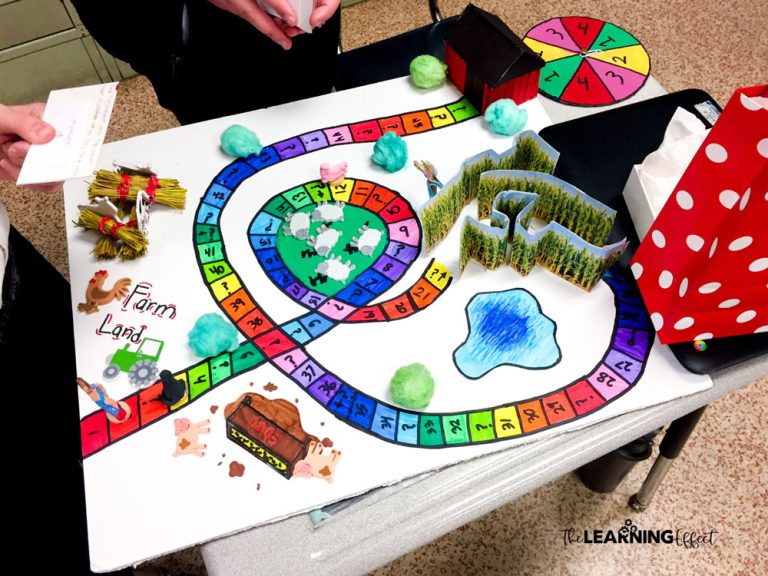
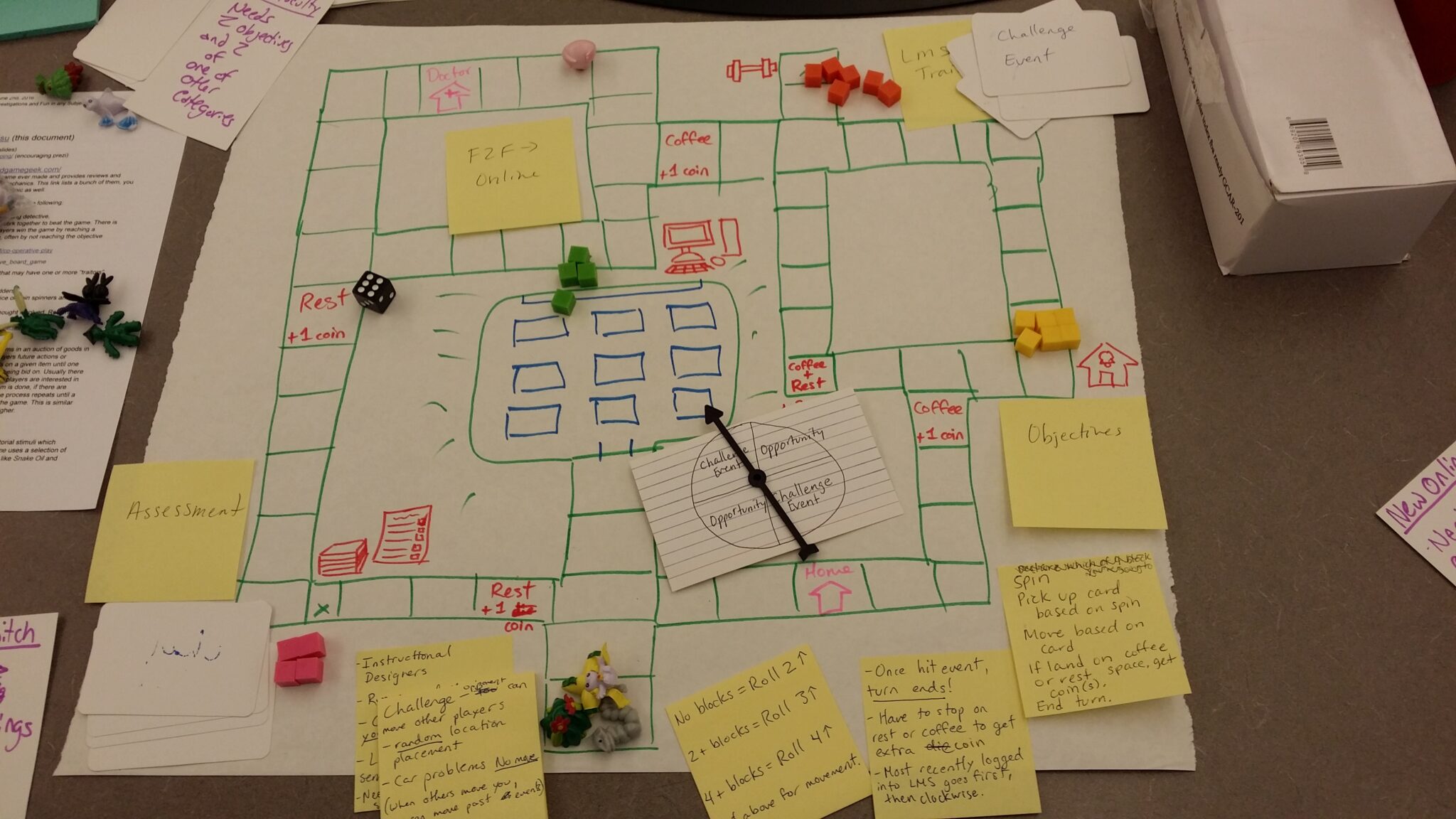
How To Create A 2026 Bingo Card And Vision Board 2026 New Year Bingo Card Template R Full V2 . Create Your Own Board Game A Fun End Of The Year Activity 768x576 . Project Post Creating A Board Game Prototype Design Bytes Jimmsdesign Streetwise Project Board Artwort Sample Top Down . How To Make A Board Game Everything You Need To Know 2016 06 02 15.05.14 2048x1152 . How To Create Your First Board Game Bits Pieces Pic5045289


How To Make Your Own Board Game Complete Design Guide Math Board . 2026 Bingo Vision Board Canva Template Audrey McBride Photography 2026 Bingo Vision Board Canva Template . Superbowl 2026 Box Etsy Il 78qa . How To Make A Vision Board For 2026 That Actually Works Mine Always 2026 Banner.webp. Winter Games 2026 Junior Art Project Ca Ar 1764092634 Winter Games 2026 Junior Art Project With Rubric Ver 1

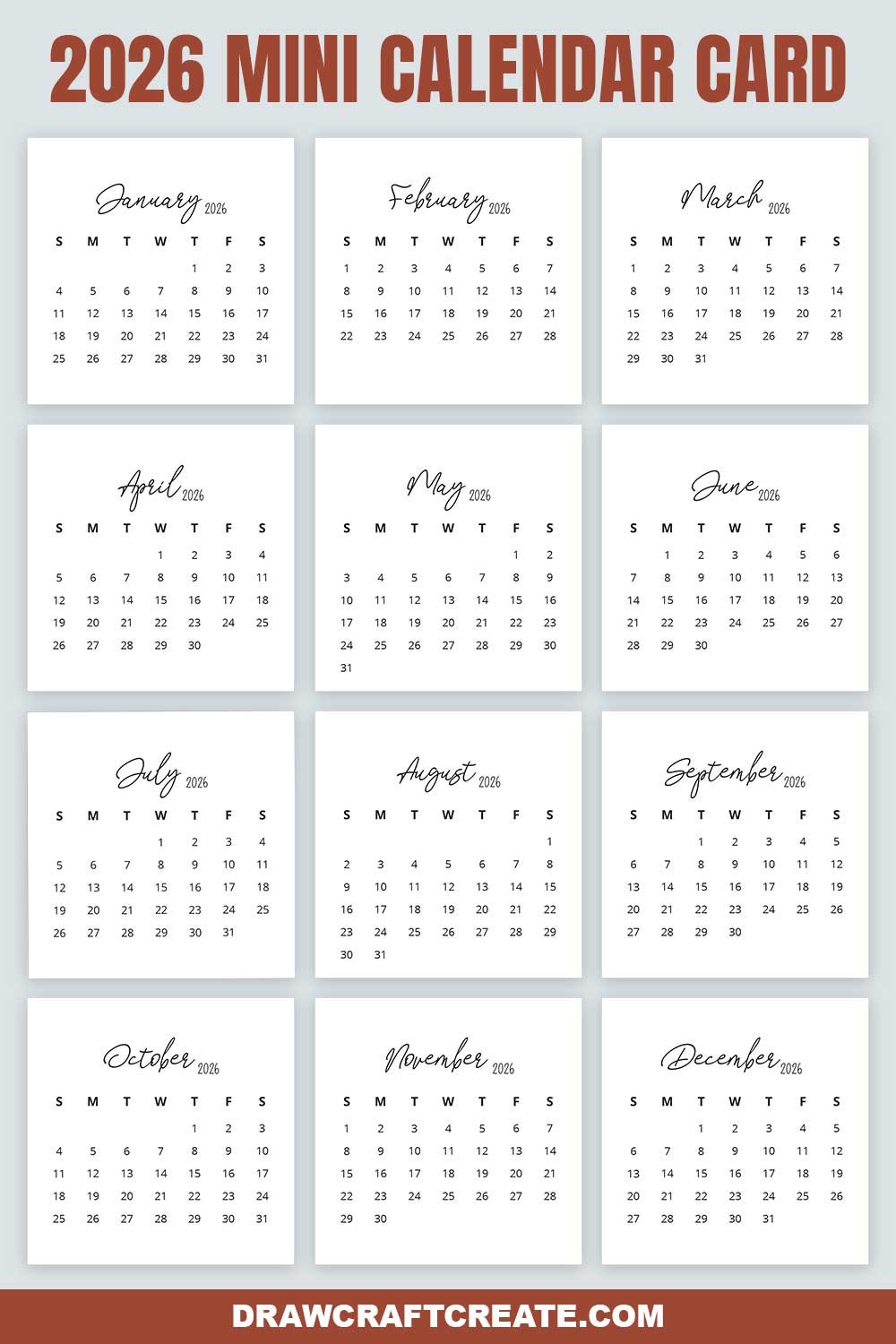

2026 Vision Board Template 32 Page PDF Instant Download Etsy Il Cn7d . How To Make A Vision Board On Canva 2026 Guide Canva Vision Board 2026 Large . Free 2026 Yearly Calendar Printable Sunday Start Draw Craft Create 2026 Mini Calendar Card . 2026 Bingo Card Etsy In 2025 Bingo Cards How To Plan Bingo . 2026 Bingo Card Ideas Etsy Il 1fut
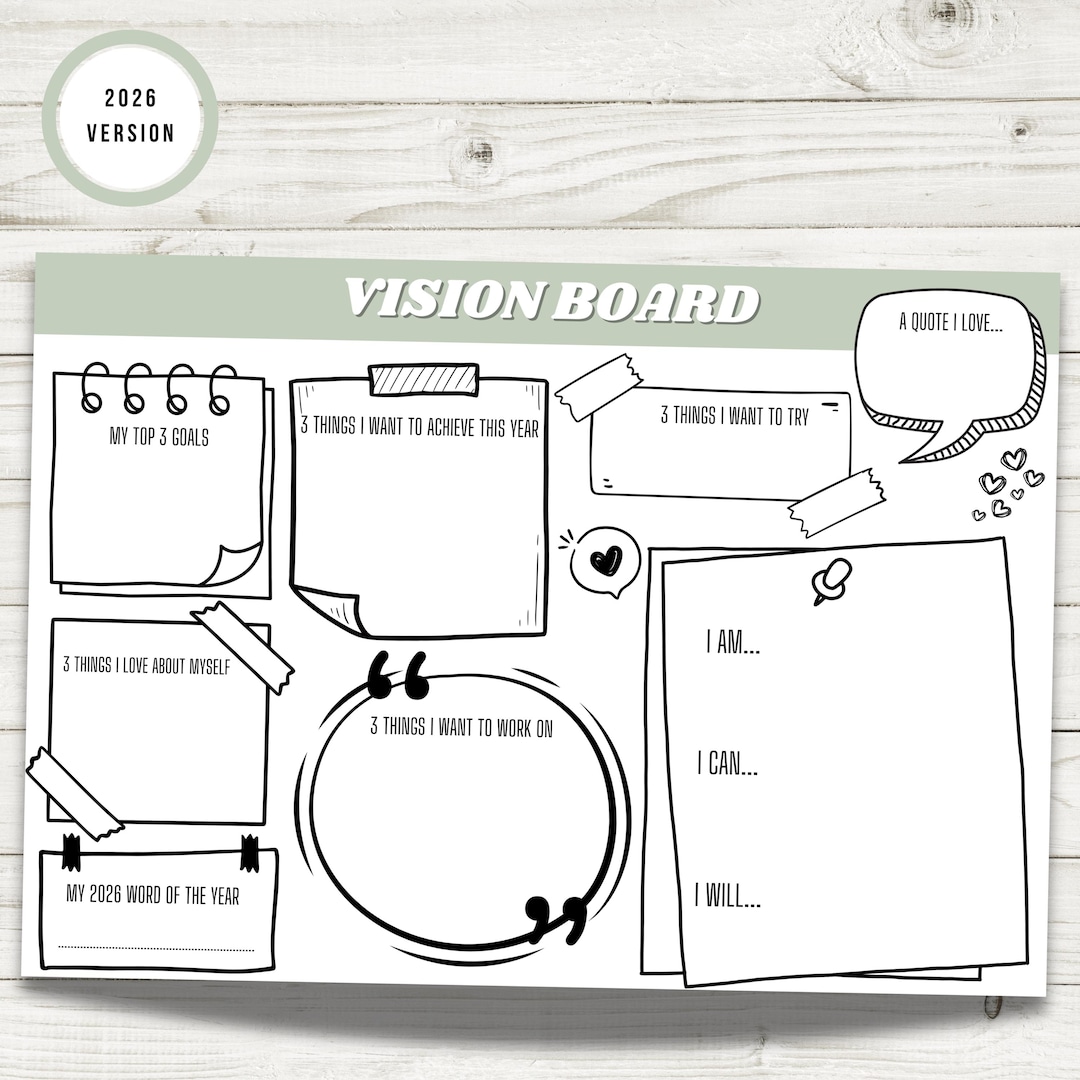
How To Make Homemade Candles Using Thrift Store Finds Woman Holding A 2026 Vision Board Bingo Card 1 . How To Make A Vision Board In 5 Simple Steps For 2026 2026 Vision Board Guide 1024x536 . Planning 2026 Here S How To Build A Vision Board With Google Gemini 2026goals 2048x1117 . Winter Games 2026 Primary Activities Ca Ss 1763486717 Winter Games 2026 Primary Activities 3 Ver 2 . Vision Board 2026 Printable 2026 Vision Board Template Goal Setting Il Auvx


2026 Bingo Card 2026 . 2026 Super Bowl Squares Printable Free Rossy Printable Super Bowl Squares Board Free Google Docs Template T . How To Make A Vision Board On IPhone Complete 2026 Guide Vision Board Manifest New Goals 1024x682 . Create Custom New Year 2026 Party Invitation Card Online Create Custom New Year 2026 Party Invitation Card Online . Axioo Steam Board Game Fest 2026


New Year 2026 Bulletin Board Classroom Door Kit This Is Your Year 750f 14887460 2 . How To Make A Board Game Awesome Family Fun Families How To Make A Really Awesome Board Game 600x978 . Download 2026 Bingo Cards Free Unlimited Download 2026 18717 . Create Your Own Board Game A Fun End Of The Year Activity 768x576