


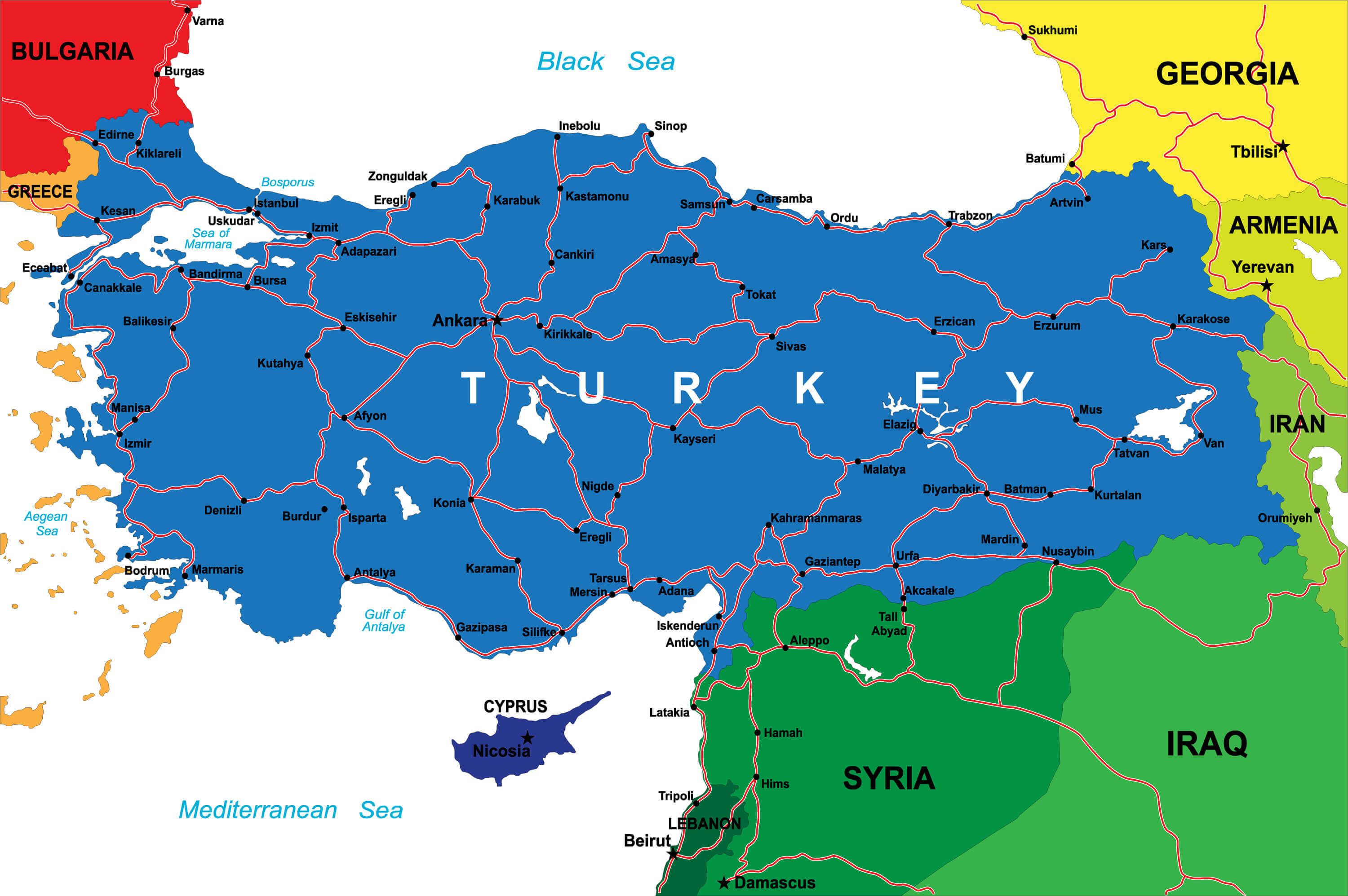


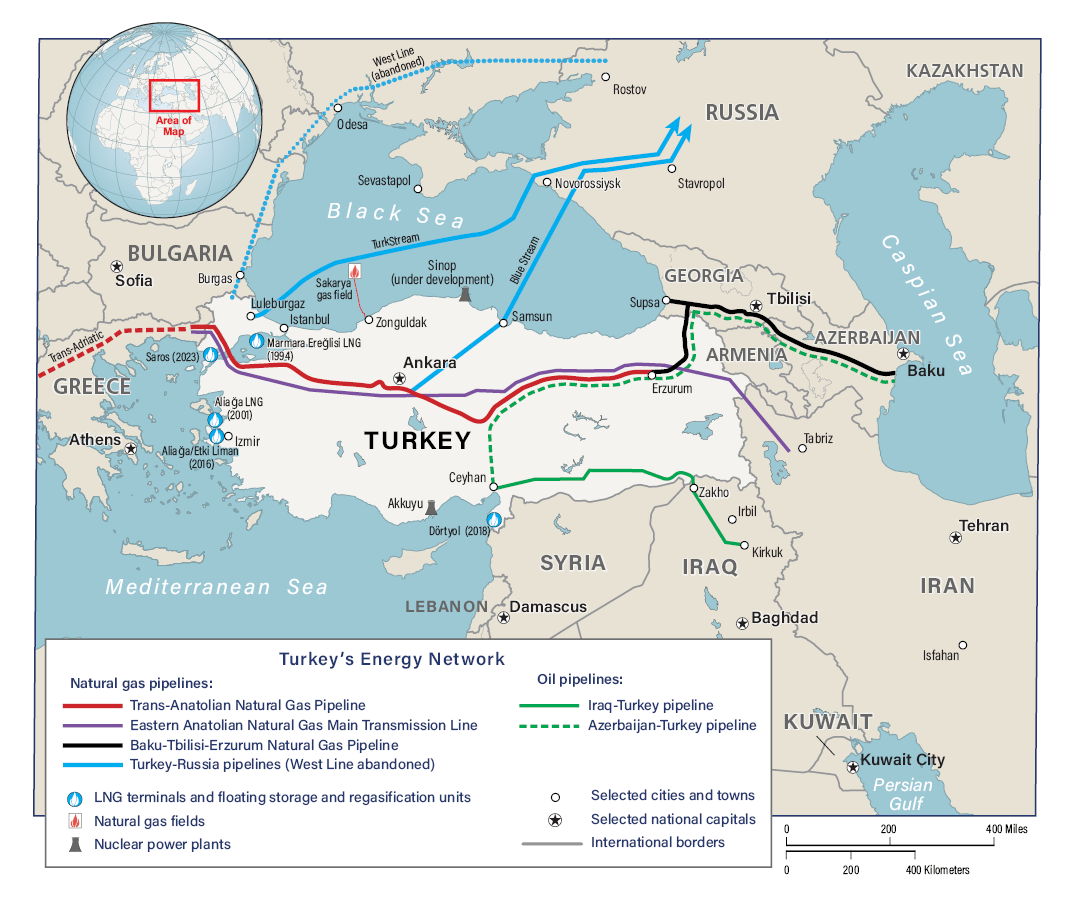


The Map Of Turkic represents a vast and intricate network of nations, cultures, and languages spanning an expansive geographical area, primarily across Central Asia, Eastern Europe, and parts of the Middle East. For many in the U.S., grasping the full scope of this region offers a clearer lens into global history, geopolitics, and cultural diversity. It’s more than just a collection of countries; it’s a shared heritage.
This geographical guide aims to demystify the Turkic world, providing a clear and authoritative look at its boundaries, key nations, and significant historical pathways. Understanding this map is crucial for anyone keen on exploring the rich historical narratives and contemporary dynamics of a region that has profoundly shaped human civilization, from ancient trade routes to modern-day strategic alliances.
| Aspect | Description for U.S. Audience |
|---|---|
| Geographical Scope | Spans Central Asia, parts of Eastern Europe, and Siberia, including significant landmass. |
| Key Nations | Includes Türkiye, Azerbaijan, Kazakhstan, Uzbekistan, Kyrgyzstan, Turkmenistan. |
| Cultural Linkages | Shared linguistic roots, historical traditions, and nomadic heritage. |
| Historical Significance | Crucial for understanding Silk Road, ancient empires, and modern geopolitical shifts. |
| Modern Relevance | Economic corridors, energy resources, and strategic geopolitical positioning. |
Exploring the Expansive Turkic Regions
When you look at a Map Of Turkic, you are looking at a colossal stretch of land that embodies centuries of migration, conquest, and cultural exchange. These regions, though geographically diverse, share common threads that tie them together. From the steppes of Central Asia to the Anatolian plateau, the influence is undeniable.
Historically, the Turkic peoples played a pivotal role in shaping Eurasian history, establishing vast empires and facilitating trade and knowledge transfer along the Silk Road. This enduring legacy continues to influence the cultural and political landscape today. Many U.S. travelers and scholars find this history particularly captivating.
Understanding the modern boundaries on the Map Of Turkic helps in appreciating current international relations and regional stability. It reveals how shared identity can transcend national borders, creating a unique community with distinctive characteristics. This network of nations forms a significant bloc in global affairs.
Moreover, the Map Of Turkic also sheds light on the distribution of natural resources, particularly energy, which has global implications. The strategic importance of countries like Kazakhstan and Turkmenistan, rich in oil and gas, becomes evident when viewing their geographical placement within the broader Turkic world. This insight is valuable for economic analysts.
| Region | Primary Turkic Nations | Distinctive Insight for U.S. |
|---|---|---|
| Central Asia | Kazakhstan, Uzbekistan, Kyrgyzstan, Turkmenistan | Vast resource wealth, nomadic heritage, former Soviet influence. |
| Caucasus | Azerbaijan | Energy corridor, cultural bridge between Europe and Asia. |
| Anatolia | Türkiye | Strategic NATO ally, historical crossroads of empires, Black Sea access. |
| Siberia/Volga | Tatarstan, Bashkortostan (Russia) | Autonomous republics, unique cultural preservation efforts within a larger state. |
Navigating the Heart of Turkic Culture and Heritage
Delving deeper into the Map Of Turkic reveals not just political boundaries, but also rich cultural zones where Turkic languages and customs thrive. These areas are incredibly vibrant, offering unique experiences for those interested in exploring beyond typical tourist destinations. Consider the bustling bazaars of Uzbekistan or the ancient petroglyphs of Kyrgyzstan.
For the U.S. audience, understanding these cultural distinctions helps paint a more complete picture of global diversity, moving past stereotypes. Each Turkic nation, while sharing a broader identity, possesses its own unique traditions, cuisine, and artistic expressions. This diversity within unity is a hallmark of the Turkic world.
Thinking about future travel or academic pursuits, pinpointing specific locations on the Map Of Turkic can help in planning a journey that traces the footsteps of historical figures or explores contemporary art scenes. The region offers a blend of ancient wonders and modern developments, promising enriching experiences for adventurous minds. The landscapes themselves tell a story.
| Cultural Landmark | Location | Significance |
|---|---|---|
| Registan Square | Samarkand, Uzbekistan | Iconic architectural complex, heart of Silk Road scholarship. |
| Historical Center of Bukhara | Bukhara, Uzbekistan | UNESCO site, well-preserved medieval city. |
| Ancient City of Otrar | Kazakhstan | Important Silk Road archaeological site. |
| Göreme National Park | Cappadocia, Türkiye | Unique 'fairy chimney' rock formations and cave dwellings. |
What defines the Turkic world beyond geography?
Beyond geographical locations, the Turkic world is primarily defined by a shared linguistic family. Turkic languages, including Turkish, Azerbaijani, Kazakh, Uzbek, and Kyrgyz, are spoken by millions across this vast region. This linguistic connection forms a strong cultural bond, facilitating communication and shared cultural narratives across borders, making the Map Of Turkic a map of languages.
Historical migrations and nomadic traditions also play a significant role in defining the Turkic world. From ancient horse cultures to the establishment of powerful empires, these shared historical experiences have forged a collective identity. This common heritage is a powerful unifying factor, influencing everything from folklore to national symbols in these countries.
Furthermore, while diverse in religious practice, Islam is the predominant religion in most Turkic nations, adding another layer of cultural commonality. This shared religious heritage often manifests in architectural styles, social customs, and traditional holidays, creating a distinct cultural sphere that is fascinating to observe. It’s a dynamic blend.
Which countries are typically included on a Map Of Turkic?
The core independent Turkic countries generally include Türkiye, Azerbaijan, Kazakhstan, Kyrgyzstan, Turkmenistan, and Uzbekistan. These nations are sovereign states with significant Turkic populations and official Turkic languages. They often form the primary focus when discussions turn to the modern Turkic world, especially in international relations.
Beyond these independent states, the Map Of Turkic often extends to include autonomous regions and republics within other countries. Examples include Tatarstan and Bashkortostan within the Russian Federation, the Xinjiang Uyghur Autonomous Region in China, and Gagauzia in Moldova. These areas also hold strong Turkic cultural and linguistic ties, further illustrating the wide diaspora.
Some definitions might also encompass smaller Turkic communities and historical lands where Turkic peoples once held sway or still reside in smaller numbers. This broader interpretation showcases the immense historical and demographic reach of Turkic cultures, stretching from the Balkans to Siberia, and highlighting a rich and complex legacy that continues to evolve. It's a testament to resilience.
How does the Silk Road relate to the Map Of Turkic?
The Silk Road is inextricably linked to the Map Of Turkic, as much of its historic route traversed through lands inhabited and controlled by Turkic peoples and empires. This ancient network of trade routes connected East and West, fostering economic exchange, cultural diffusion, and the spread of technologies and ideas. Turkic groups often facilitated and guarded these critical pathways.
Many key cities along the Silk Road, such as Samarkand, Bukhara, and Khiva, are located within modern-day Turkic Central Asian nations, showcasing their historical prominence. These cities served as vibrant hubs for commerce, learning, and artistic development, leaving an indelible mark on the region's heritage. Their architecture tells tales of ages past.
Therefore, when viewing a Map Of Turkic, one can essentially trace significant portions of the Silk Road, understanding the historical flow of goods and cultures that shaped these regions. The legacy of this trade route remains a source of pride and a key aspect of identity for many Turkic peoples, reminding us of their enduring role in global connectivity. It's a truly fascinating convergence.
FAQ Section
What are the main geographical features on the Map Of Turkic?
The Map Of Turkic showcases diverse geographical features, including the vast steppes of Central Asia, formidable mountain ranges like the Tian Shan and Altai, and major rivers such as the Amu Darya and Syr Darya. It also includes the Anatolian plateau, the Caspian Sea, and parts of Eastern Europe, demonstrating a wide range of climates and terrains. These varied landscapes have shaped distinct regional identities and historical developments.
Why is understanding the Map Of Turkic important for U.S. interests?
Understanding the Map Of Turkic is crucial for U.S. interests due to the region's geopolitical significance, particularly regarding energy resources and strategic trade routes. It provides insight into global energy security, regional stability, and the complexities of international alliances. Furthermore, recognizing the cultural dynamics of these nations aids in fostering effective diplomatic and economic relationships, which is vital for informed foreign policy decisions.
Are there any common misconceptions about the Map Of Turkic?
A common misconception is that the Turkic world is synonymous with Turkey alone; however, Türkiye is just one of many independent Turkic nations. Another misconception is that all Turkic peoples share the exact same culture and religion, when in reality, there's significant linguistic, cultural, and religious diversity within the broader Turkic family. The Map Of Turkic clearly illustrates this widespread and varied heritage.
What role do Turkic languages play across this map?
Turkic languages serve as a foundational element connecting the diverse regions on the Map Of Turkic. While each nation has its own official language, such as Turkish, Kazakh, or Uzbek, they share common linguistic roots that allow for some mutual intelligibility. This shared language family is a powerful cultural binder, preserving traditions and facilitating communication across a vast geographical expanse and fostering a sense of collective identity among Turkic peoples.
Can U.S. citizens easily travel to the regions on the Map Of Turkic?
Yes, U.S. citizens can generally travel to many regions on the Map Of Turkic, although visa requirements and travel advisories vary by country. Popular destinations like Türkiye, Azerbaijan, Kazakhstan, and Uzbekistan offer rich cultural experiences and increasingly welcome tourism. It’s always smart to check the latest U.S. State Department travel advisories and specific country visa policies before planning any trip to ensure a smooth and safe journey. Many areas offer modern amenities alongside ancient sites.
What are the historical connections between the U.S. and countries on the Map Of Turkic?
Historical connections between the U.S. and countries on the Map Of Turkic have deepened significantly since the collapse of the Soviet Union, particularly with Central Asian nations. These relationships involve diplomatic ties, economic partnerships, and strategic security cooperation, especially in areas like counter-terrorism and energy. Türkiye has long been a NATO ally. These connections reflect shared interests in regional stability, economic development, and cultural exchange. These ties continue to evolve and strengthen over time.