










Ever wondered if you could peek into someone's iPhone? Maybe you're a parent worried about your child's online activities, or perhaps you're just curious about the capabilities of modern tech. The truth is, the phrase "how to spy on someone iPhone" conjures up images of secret agents and illicit data grabs, but the reality in 2026 is far more nuanced, legally complex, and technically challenging. Apple's robust security features make casual snooping incredibly difficult, if not impossible, without direct access or consent. This guide cuts through the rumors to give you the straight scoop on what's genuinely possible, what's legal, and how to keep your own digital life private.
Is It Legal to Spy on Someone's iPhone in the U.S. in 2026?
Absolutely not, generally speaking. In the United States, spying on someone's iPhone without their explicit consent is a significant violation of privacy laws and can lead to severe legal penalties. Federal and state wiretapping laws, like the Electronic Communications Privacy Act (ECPA), make it a felony to intercept electronic communications without all parties' knowledge. This applies to texts, calls, emails, and location data.
There are very narrow exceptions, primarily involving minor children by their parents or guardians, and even then, legal frameworks vary by state. Employers might monitor company-issued devices, but only with clear, written consent and disclosure to the employee. Trying to figure out how to spy on someone iPhone without legal standing is walking on thin ice, often leading to fines or even jail time.
How Do "Monitoring" Apps Claim to Spy on an iPhone?
When you search for "how to spy on someone iPhone," you'll encounter numerous apps claiming to offer such services. It's crucial to understand how these apps *actually* work and their severe limitations, especially on an iPhone.
Legitimate Parental Control Apps and iCloud Syncing
Many reputable apps are designed for parental control or device management. These typically require one of two things:
- Direct Installation: The app must be physically installed on the target iPhone. This usually requires unlocking the phone, bypassing security, and agreeing to permissions. Crucially, these apps often appear on the home screen, making them easily detectable.
- iCloud Credentials: Some services promise monitoring through iCloud backups. This method requires access to the target's Apple ID and password, and two-factor authentication often makes this impractical. Data pulled this way is also limited to what's backed up and isn't real-time. This isn't truly "spying" but rather accessing shared or backed-up information, often under Apple's Family Sharing agreements.
The Shady World of "Spyware" and Jailbreaking
Other, less scrupulous options might suggest jailbreaking an iPhone. Jailbreaking involves modifying the iPhone's operating system to remove Apple's restrictions, opening it up to unauthorized apps and vulnerabilities. This process is risky; it voids the warranty, can brick the device, and severely compromises its security, making it easier for actual malware to take hold. Most users aren't equipped to jailbreak a phone, and even if they were, installing covert spyware requires physical access and technical know-how that goes beyond a casual search for "how to spy on someone iPhone."
What Information Can You Theoretically Gather from an iPhone?
Assuming legal and ethical boundaries are respected (e.g., monitoring a child's device with their knowledge or a consenting adult using a shared account), here's what monitoring solutions *might* offer:
- Call Logs: Who they called and when.
- Text Messages: Content of SMS/MMS.
- Location Tracking: Real-time or historical location data.
- Web Browsing History: Visited websites.
- Social Media Activity: Interactions on platforms like WhatsApp, Snapchat, or Instagram, though often limited.
- App Usage: Which apps are used and for how long.
The extent of this data depends heavily on the specific app or method used, and Apple's continuous security updates often put a wrench in many third-party monitoring claims.
Common Misconceptions About iPhone Spying
Many people have unrealistic expectations about "how to spy on someone iPhone." Let's clear up a few myths:
- Myth 1: You can secretly install an app remotely. For an iPhone, this is virtually impossible without tricking the user into installing it or gaining physical access.
- Myth 2: You can listen to live calls without their knowledge. Illegal, highly technical, and requires deep system access usually only available to state-level intelligence agencies, not everyday consumers.
- Myth 3: Apple helps you monitor other iPhones. Apple's focus is on user privacy. Features like Family Sharing allow for *consensual* sharing of purchases and location, not covert monitoring.
How to Protect Your iPhone from Unauthorized Spying
Since the question of "how to spy on someone iPhone" often brings up concerns about one's own privacy, here are some actionable steps to keep your device secure:
Secure Your Device Physically
- Strong Passcode: Always use a six-digit alphanumeric passcode. Avoid simple patterns or birthdays.
- Face ID/Touch ID: Enable biometric security and keep your face/fingerprint protected.
- Never Leave Unattended: Keep your iPhone with you. Most spying methods require physical access.
Harden Your Digital Defenses
- Two-Factor Authentication (2FA): Enable 2FA for your Apple ID. This is a critical barrier. Even if someone gets your password, they can't log in without the code sent to your trusted device.
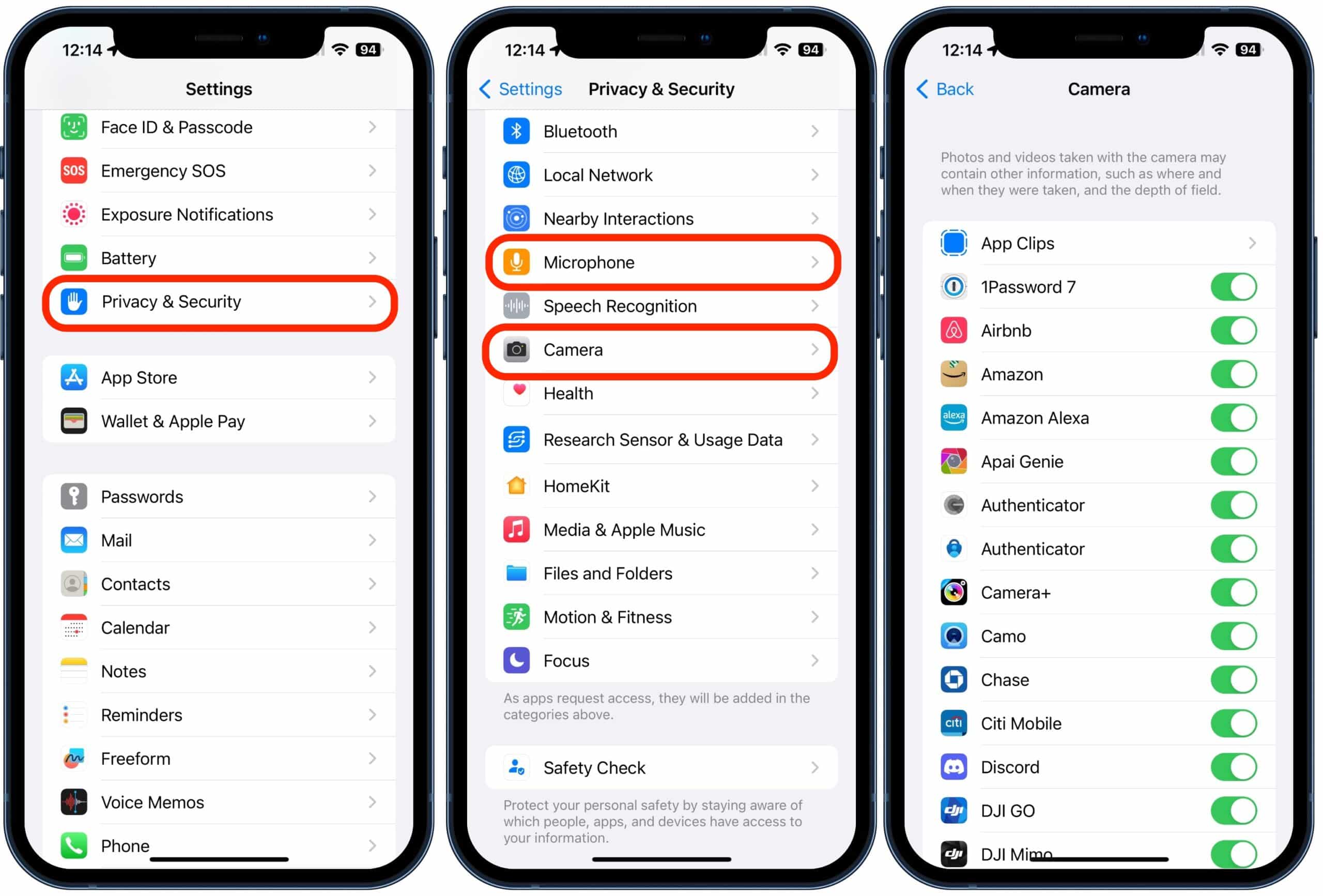
- Review App Permissions: Regularly check which apps have access to your location, microphone, camera, and contacts. Revoke anything suspicious.
- Keep iOS Updated: Apple's updates frequently patch security vulnerabilities. Install them promptly.
- Avoid Public Wi-Fi for Sensitive Tasks: Unsecured public networks can be exploited to intercept data. Use a VPN if you must.
- Be Wary of Phishing: Don't click on suspicious links or download attachments from unknown senders. These are common vectors for malware.
Monitor Your iPhone's Behavior
If you suspect someone is trying to figure out how to spy on someone iPhone, especially yours, look for these tell-tale signs:
- Rapid Battery Drain: Spying software runs in the background, consuming power.
- Increased Data Usage: Covert apps upload data, using your mobile plan.
- Device Slowdown: Unexplained sluggishness or frequent crashes.
- Unusual Activity: Phone lighting up when not in use, strange messages or pop-ups.
- Unknown Apps: Check your app list for anything you don't recognize or didn't install.
| Monitoring Approach | Legality (U.S.) | Ease of Setup | Detection Risk | Data Available | Typical Use Case |
|---|---|---|---|---|---|
| iCloud Syncing (Family Share) | Legal with consent | Medium | Low (built-in) | Location, purchases, some photos | Parental oversight (consensual), shared family data |
| Third-Party Parental Apps | Legal with consent/minors | Medium (physical access needed) | Medium (app icon visible) | Calls, texts, location, app use | Parental control for children |
| Physical Spyware Installation | Illegal (generally) | High (jailbreaking/technical) | High (device issues, battery drain) | Comprehensive (calls, texts, mic, camera) | Covert, illicit monitoring (high risk) |
| Phishing/Malware Exploits | Illegal | Low (user interaction) | Medium (suspicious links/files) | Limited (credentials, some data) | Data theft, unauthorized access |
What About Using a Stalkerware Detector?
In 2026, various anti-spyware apps and tools claim to detect "stalkerware" or hidden monitoring software. While some can identify known malicious apps, they aren't foolproof. Apple's strict sandboxing means that even legitimate apps can't scan the entire phone's file system like they might on an Android device. Your best defense remains a combination of strong security practices and vigilance against unusual phone behavior.
When Should You Consider Professional Help or Legal Counsel?
If you genuinely fear you are being illegally monitored, or if you're exploring legal ways to monitor a child, consulting with a cybersecurity expert or an attorney is prudent. They can guide you through the complex legal landscape and help determine if your privacy has been compromised. Trying to understand "how to spy on someone iPhone" can sometimes lead to uncovering personal vulnerabilities.
FAQ: Answering Your Top Questions About iPhone Monitoring
Can I really spy on someone's iPhone without them knowing in 2026?
No, it's incredibly difficult and almost universally illegal to genuinely spy on someone's iPhone without their knowledge or explicit consent in 2026. Apple's robust security features, like encrypted data, strict app permissions, and two-factor authentication, make covert access nearly impossible for the average person. Any claims otherwise usually involve scams, illegal activities, or methods requiring physical access and user interaction.
What are the legal consequences of trying to spy on an iPhone in the U.S.?
Attempting to spy on an iPhone in the U.S. without consent can lead to severe legal penalties under federal and state wiretapping and privacy laws. Violations can result in hefty fines, civil lawsuits, and even criminal charges, including prison sentences. Exceptions are extremely limited, primarily for parents monitoring minor children, but even these scenarios often have specific legal guidelines.
How do parental control apps work on an iPhone?
Parental control apps on an iPhone typically function by requiring physical installation on the device or by accessing data through iCloud credentials with the child's Apple ID. These apps track activity like web browsing, app usage, and location, usually with the child's awareness, especially if Family Sharing is involved. They don't typically offer covert, comprehensive "spying" capabilities due to Apple's security architecture.
Can I track an iPhone's location without installing any software?
Yes, you can track an iPhone's location without installing *new* software if Apple's built-in "Find My" feature is enabled, or through consensual Family Sharing. Both methods require the iPhone owner to have previously opted in or shared their location. "Find My" is primarily for lost devices or consensual family tracking; it's not a covert spying tool, as the device owner can see when location sharing is active.
What are the signs that someone might be spying on my iPhone?
Signs someone might be spying on your iPhone include unusually fast battery drain, unexpected data usage spikes, unexplained device overheating, or sluggish performance. You might also notice unknown apps installed, strange pop-ups, or your phone lighting up randomly. These indicate background processes running without your knowledge, which could be malicious software.
Is jailbreaking an iPhone necessary to install spy software?
While some older or less sophisticated spy software *might* have required jailbreaking, it is generally not a viable or advisable method for installing monitoring software in 2026. Jailbreaking voids the iPhone's warranty, makes the device highly vulnerable to security breaches, and can destabilize its operation. Most legitimate monitoring services don't require jailbreaking, and illicit ones are fraught with risk.