

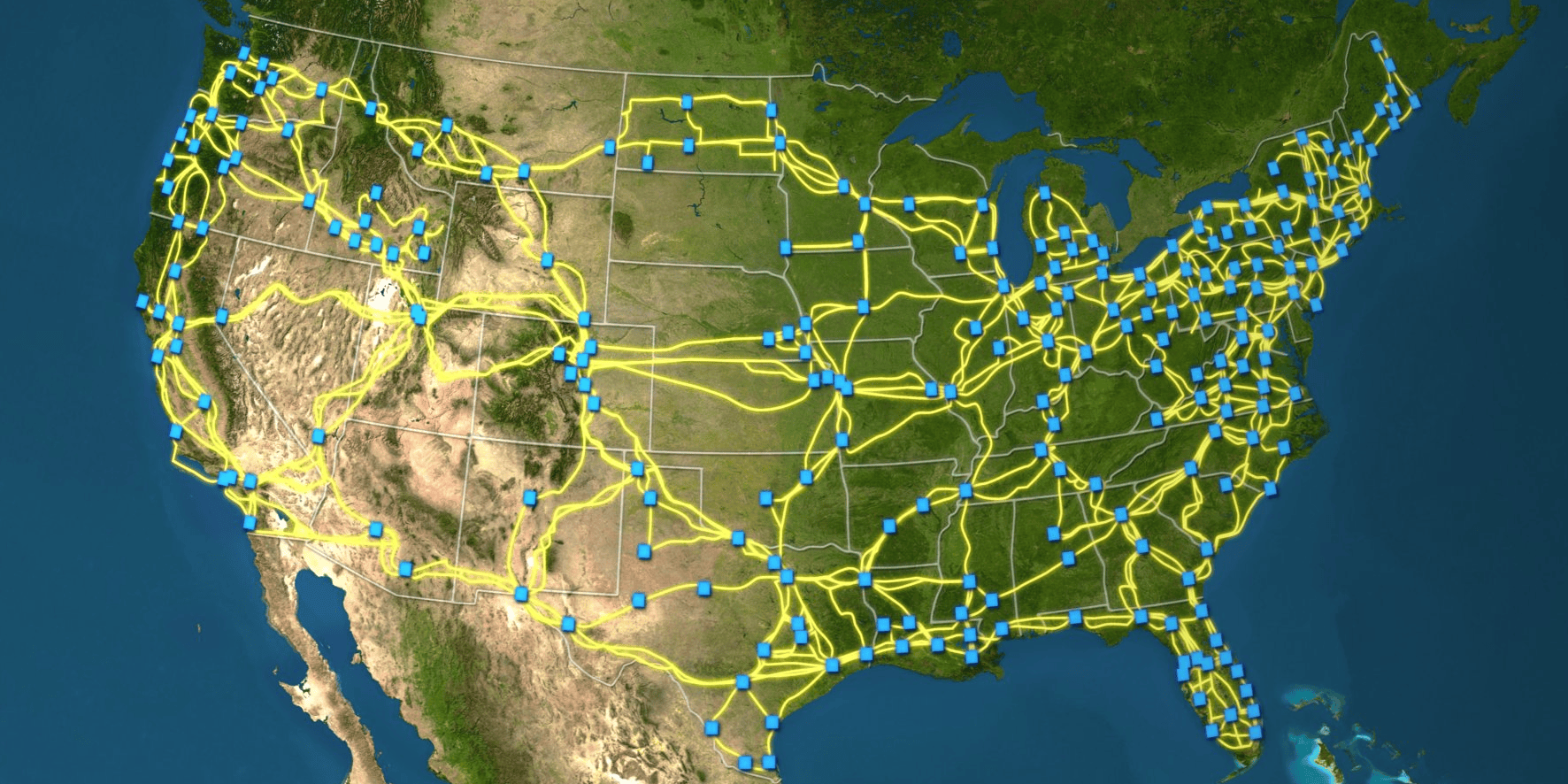


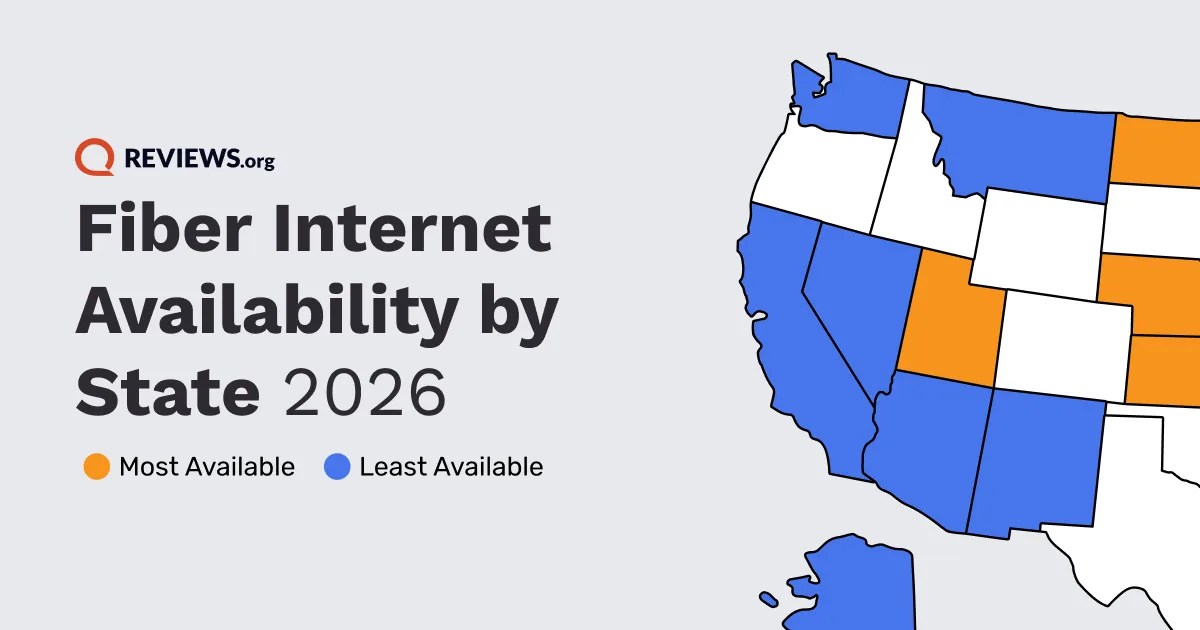

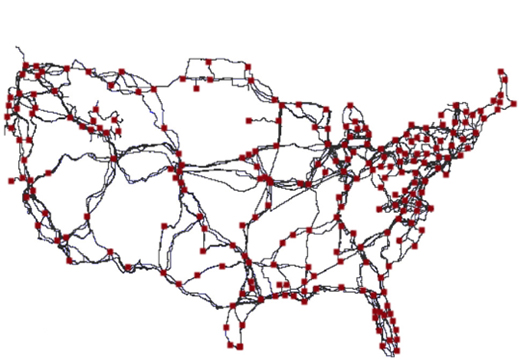

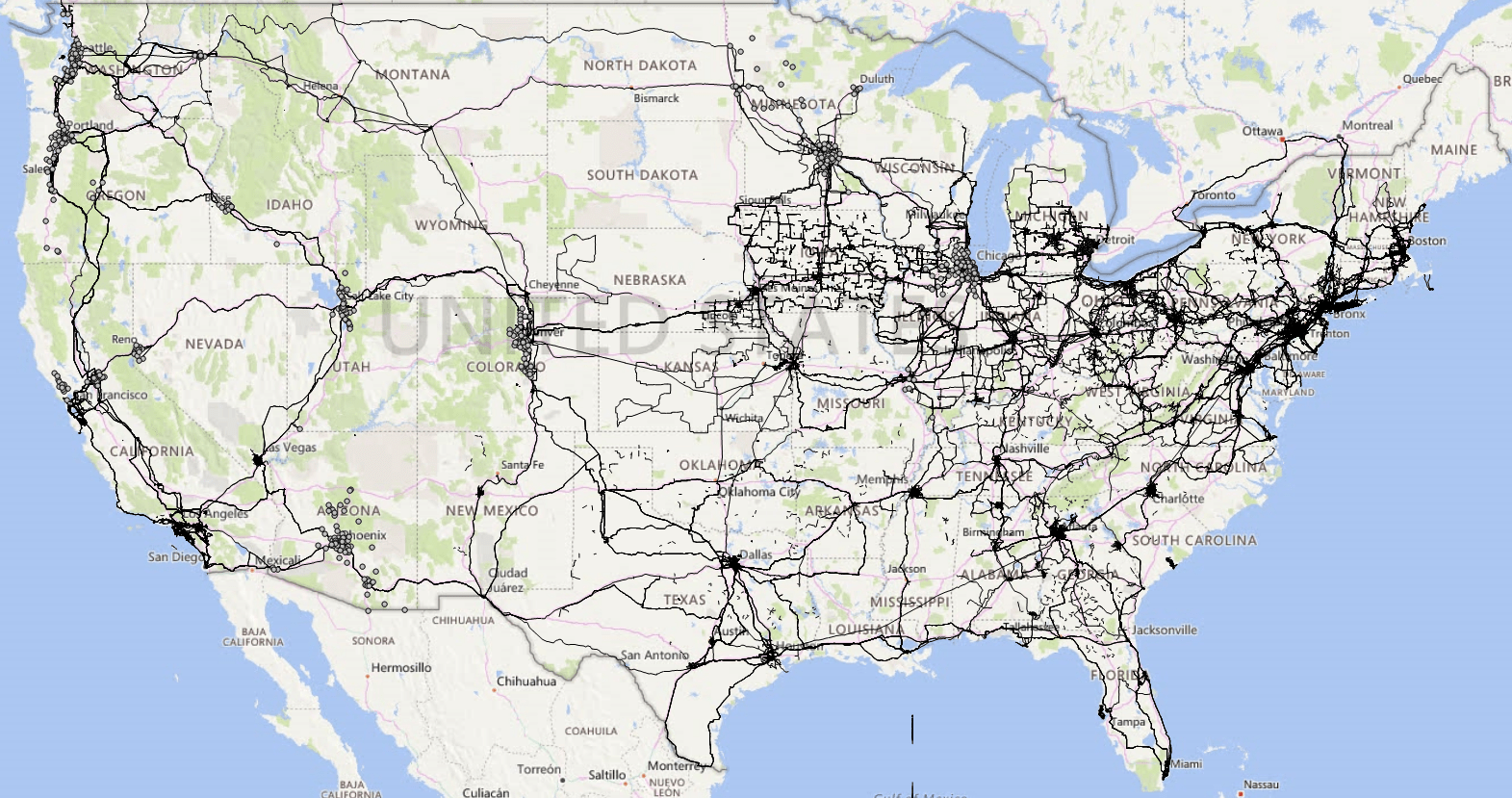





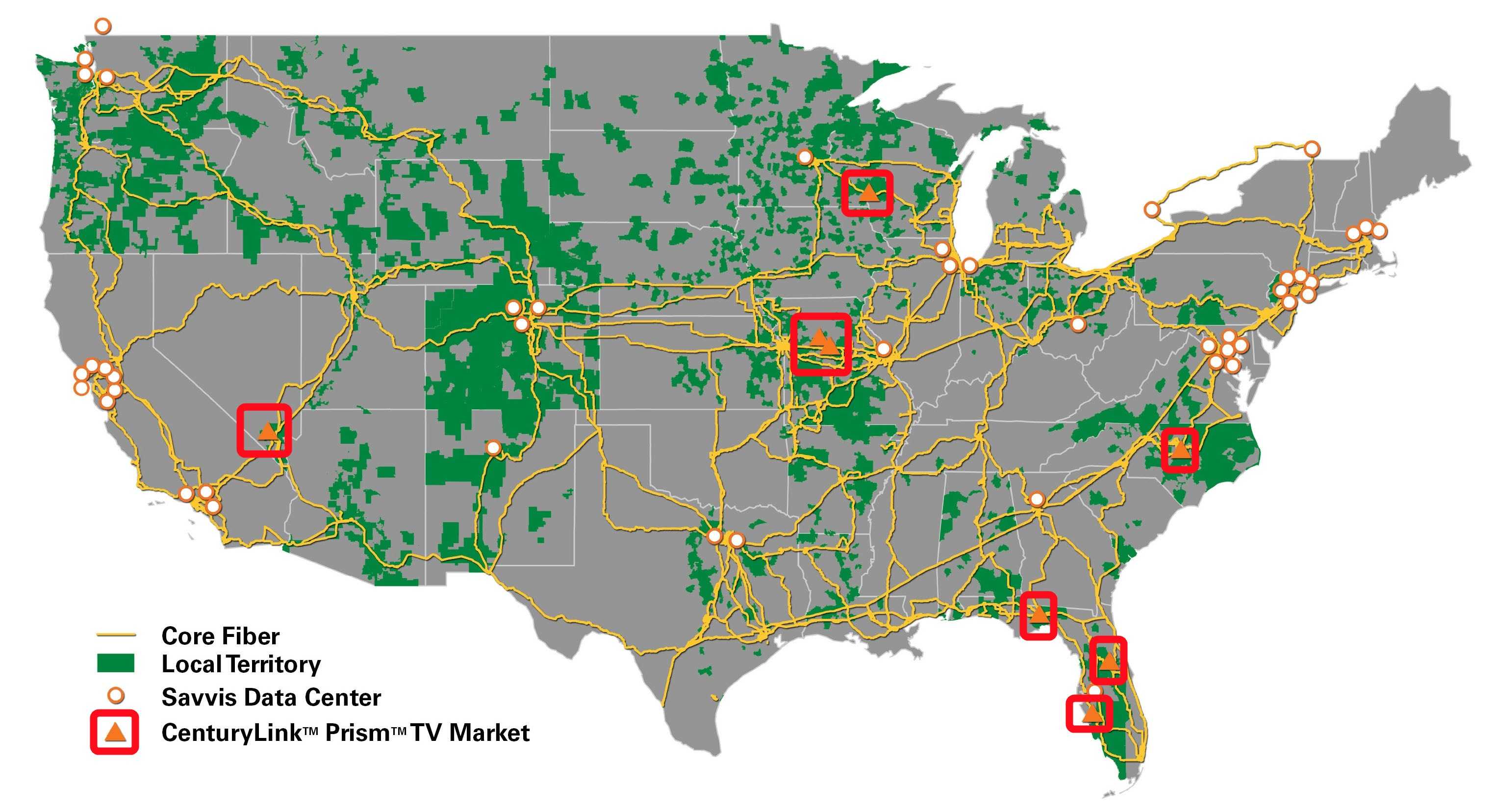
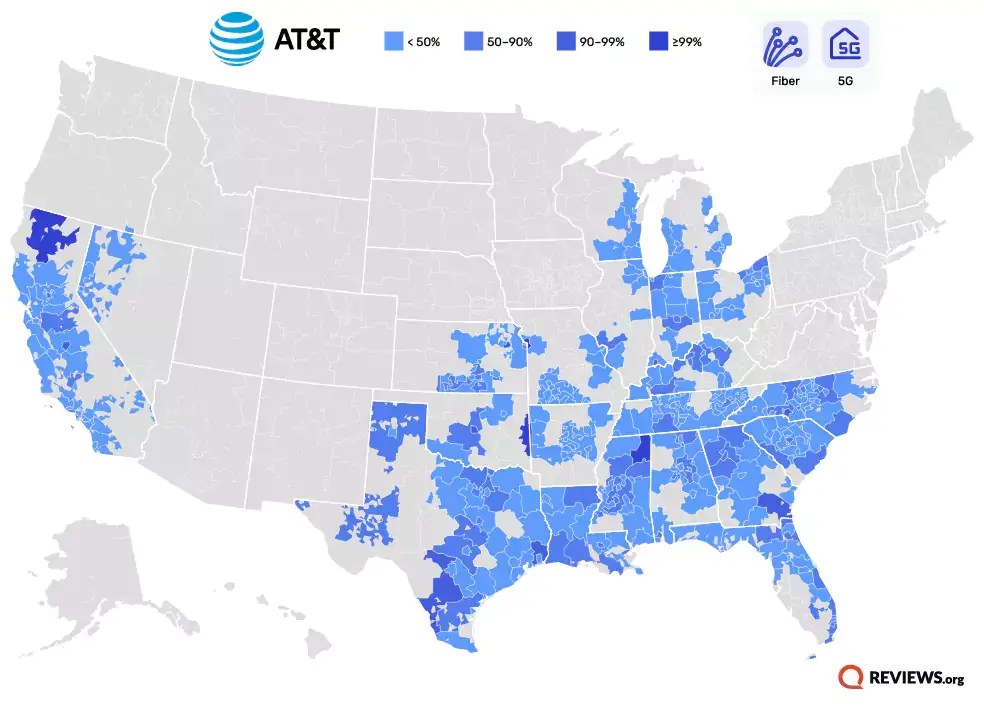
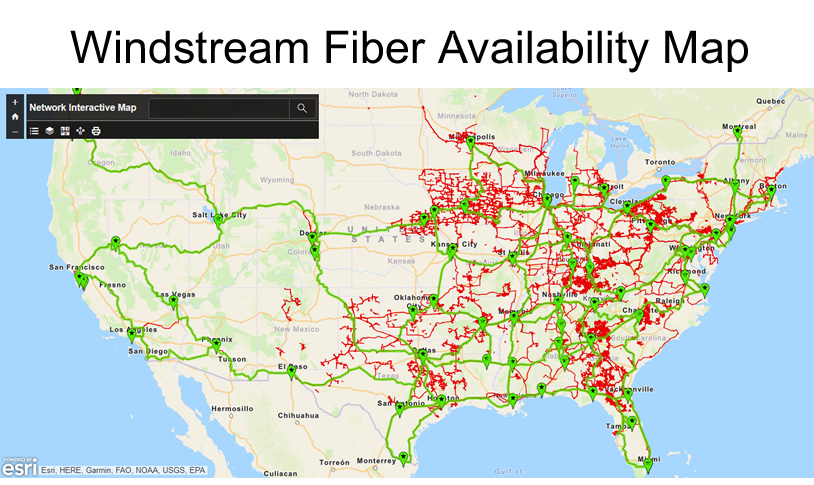


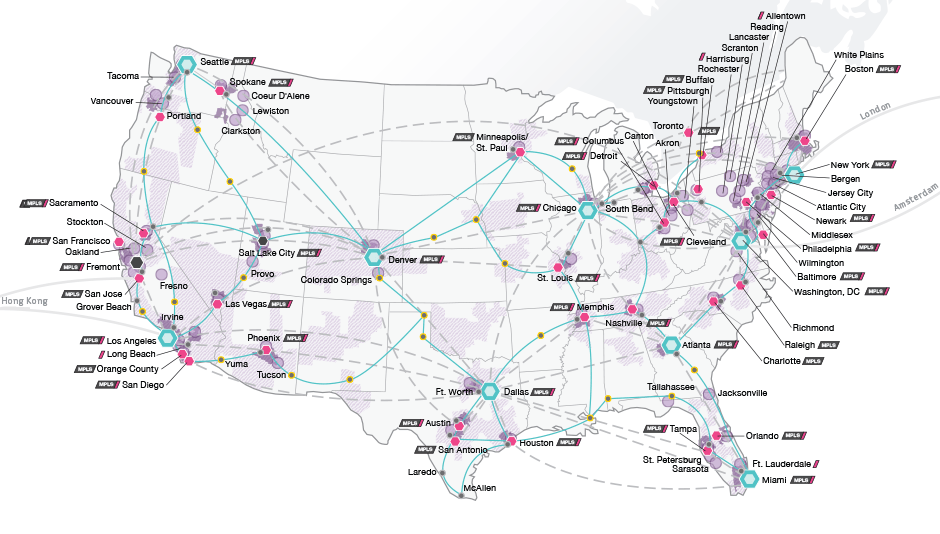

Tired of internet speeds that crawl when you need them to soar? The hunt for truly fast, reliable internet often feels like searching for a needle in a haystack. But imagine having a crystal-clear guide, a real-time snapshot of where the country's most advanced connectivity currently exists and where it's headed. That's precisely what the us fiber map provides for 2026.
This isn't just about faster downloads; it's about powering your life—from seamless remote work and lag-free gaming to instant streaming and connecting smart homes. For Gen Z and Millennials, who grew up online, substandard internet just doesn't cut it. Pinpointing fiber availability is crucial for anyone building a digital-first lifestyle.
The Core Problem: Navigating America's Internet Patchwork
Finding robust, high-speed internet shouldn't be a guessing game, yet for many, it often is. The United States presents a diverse landscape of internet infrastructure, ranging from cutting-edge fiber optic networks in bustling urban centers to slower, older technologies in more rural pockets. This creates a significant challenge for consumers trying to identify genuinely superior service.
You see a shiny ad for 'gigabit speeds,' but then find out it's not available two blocks from your home. Local internet providers vary wildly in their reach and offerings, making direct comparisons difficult. Without a clear, centralized resource, individuals are left sifting through countless provider websites, often encountering outdated information or vague coverage claims. It's a frustrating loop, especially when you consider how vital a consistent, fast connection is to daily life in 2026.
Discovering Your Next-Gen Connection: Navigating the US Fiber Map 2026
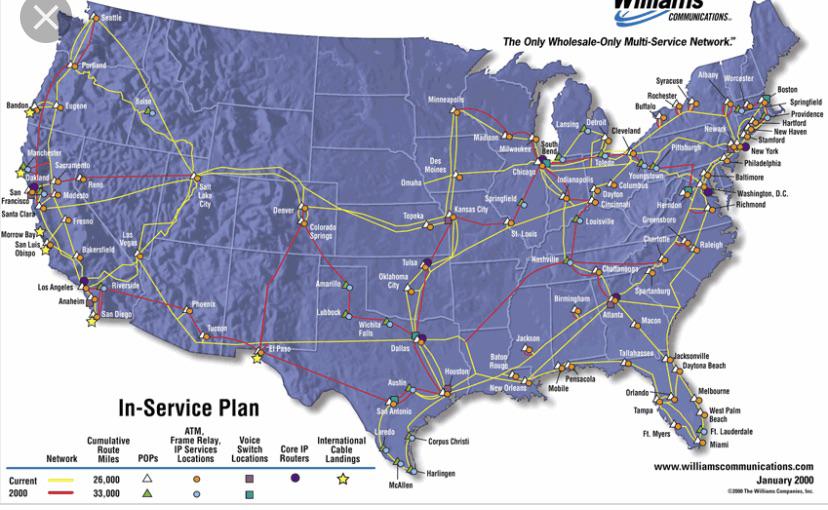
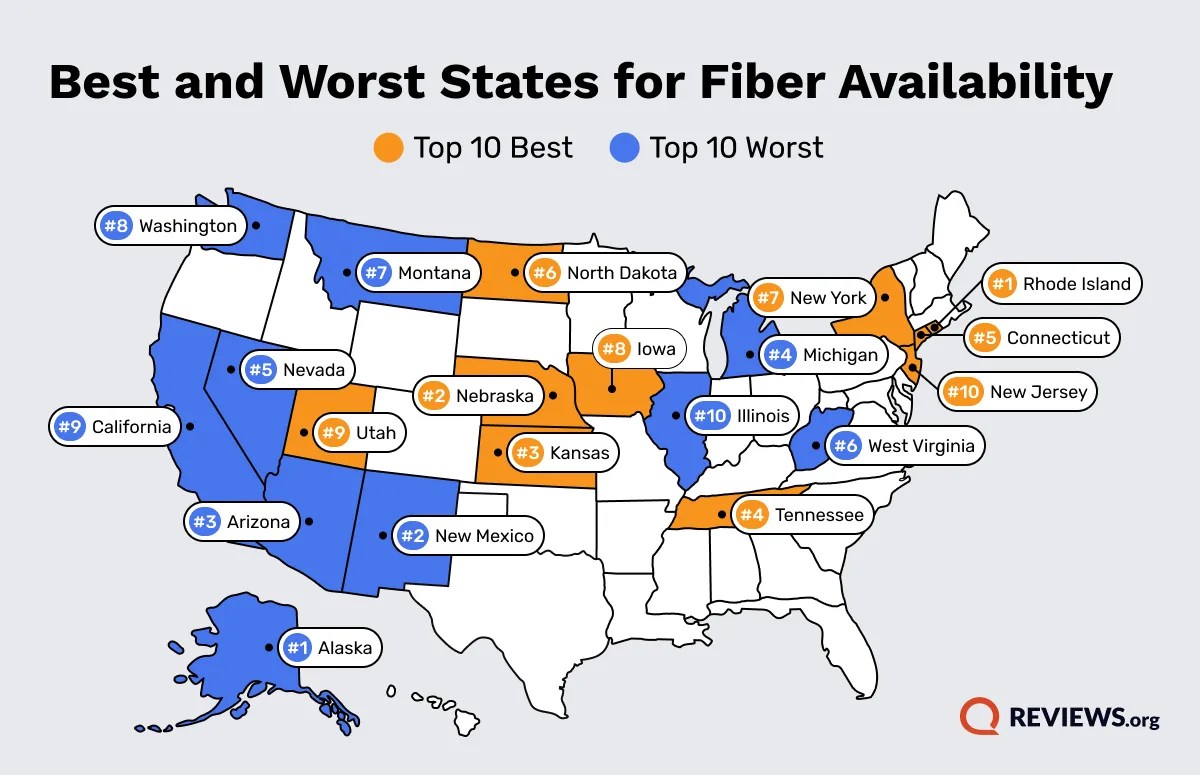
Harnessing the power of the us fiber map transforms your internet search from a chore into a strategic mission. This invaluable resource allows you to cut through the noise and directly identify areas with robust fiber optic infrastructure.
Identifying Reliable Fiber Providers and Coverage Areas
To accurately gauge fiber availability, start with reputable mapping tools. Government-backed resources like the FCC National Broadband Map offer a broad overview, while commercial platforms such as BroadbandNow or HighSpeedInternet.com often provide more granular detail down to specific street addresses. These maps typically color-code areas to indicate different internet technologies and speeds, making it visually intuitive to spot fiber-rich zones. Look for sections marked as 'fiber' or 'FTTH' (Fiber to the Home).
Always remember that maps are a snapshot, not a crystal ball. Service providers are constantly expanding, so what wasn't available yesterday might be coming tomorrow. A quick check on the provider's direct website after identifying potential coverage on a map is always a good idea.
Checking Specific Street-Level Coverage and Future Builds
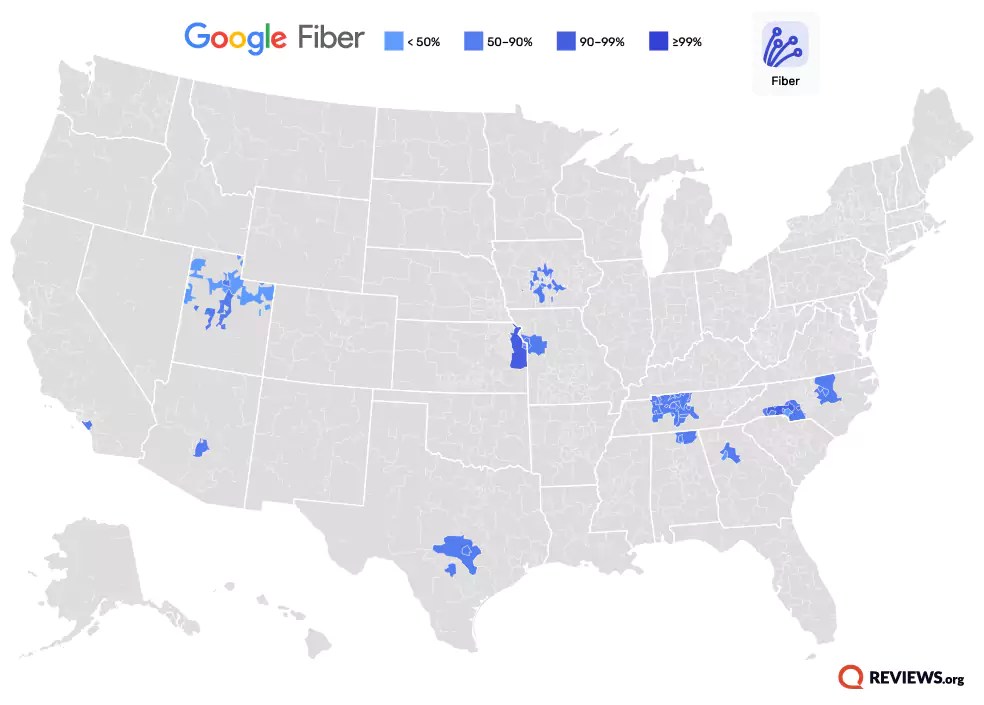
Once you've identified a promising area on the us fiber map, the next step is to drill down to your specific address. Most major fiber providers, like Verizon Fios, AT&T Fiber, or Google Fiber, have an availability checker directly on their websites. Simply input your street address, and their systems will confirm if fiber service is live or planned for your location.
- Check Provider Websites Directly: After using a general map, visit the sites of providers identified in your area.
- Sign Up for Notifications: Many providers offer email alerts for upcoming fiber installations.
- Engage with Local Community Forums: Neighborhood groups often share valuable intel on local infrastructure projects.
Don't be shy about calling customer service, even if their online checker says no. Sometimes, new builds are underway that haven't yet updated their public databases.
Understanding Fiber Technology Benefits Beyond Speed
Fiber optic internet isn't just about raw speed; it's about a fundamentally superior connection. Unlike traditional copper cables, fiber uses light signals, which are less susceptible to interference and degradation over long distances. This translates to several key advantages:
- Symmetrical Speeds: Upload and download speeds are often equal, which is a game-changer for video conferencing, cloud backups, and content creation.
- Lower Latency: A critical factor for competitive online gaming and real-time applications, meaning less lag and more responsive interactions.
- Increased Reliability: Fiber is less affected by weather, electromagnetic interference, and the general wear and tear that impacts older cable infrastructure.
- Future-Proof: The bandwidth capacity of fiber optic cables is immense, capable of supporting future innovations and increasing data demands for decades to come.
Here's a quick comparison of common internet types you might encounter on a us fiber map:
| Internet Type | Typical Max Download | Key Advantages | Key Disadvantages |
|---|---|---|---|
| Fiber Optic | Up to 8 Gbps+ | Symmetrical speeds, low latency, highly reliable, future-proof | Limited availability, higher initial cost |
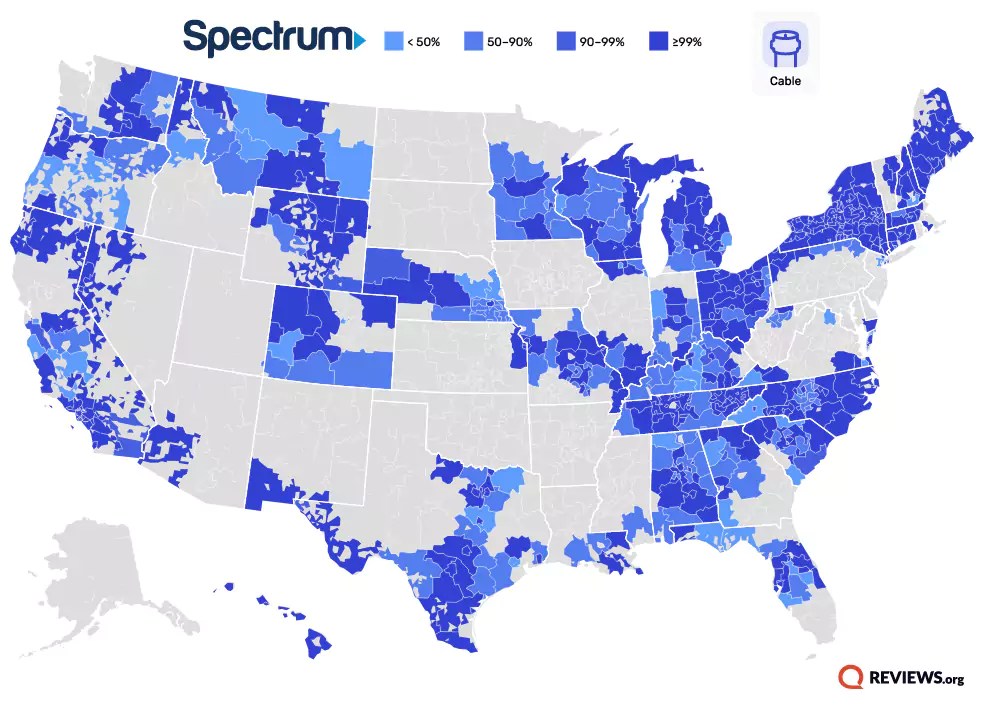
| Cable Broadband | Up to 1.2 Gbps | Wider availability, generally fast | Asymmetrical speeds, shared bandwidth, higher latency than fiber |
| DSL | Up to 100 Mbps | Very wide availability, uses existing phone lines | Slowest speeds, performance degrades over distance |
| Satellite | Up to 100 Mbps+ | Available in very remote areas | High latency, weather-dependent, data caps |
The Fiber Frontier: What's Next for US Connectivity
The landscape of the us fiber map is anything but static. Government initiatives, coupled with aggressive expansion strategies from major providers, are rapidly extending fiber's reach. Programs like the Broadband Equity, Access, and Deployment (BEAD) Program are channeling billions into underserved and unserved communities, aiming to bridge the digital divide.
We're seeing a push not just into suburban areas, but also into more challenging rural environments where fiber installation has historically been cost-prohibitive. This means more Americans will gain access to gigabit-plus speeds, leveling the playing field for education, healthcare, and economic opportunity.
Common Pitfalls to Avoid in Your Fiber Search
- Assuming Availability: Just because a provider advertises fiber, don't assume it's at your exact address. Always verify.
- Ignoring Installation Logistics: Fiber installation can sometimes involve digging or more complex wiring. Be prepared for the process.
- Overlooking Local Providers: Smaller, regional providers often offer excellent fiber service that might not appear on national maps as prominently.
- Not Comparing Plans Thoroughly: Beyond speed, look at pricing, contract terms, data caps, and bundled services.
Keeping an eye on local news and municipal websites can also reveal upcoming infrastructure projects that could bring fiber to your doorstep. Patience and persistence are key.
Conclusion: Charting Your Course to Hyper-Connectivity
The us fiber map is more than just a visualization of cables; it's a dynamic guide to the future of internet connectivity in America. For Gen Z and Millennials, who demand instant access and seamless experiences, understanding this map is essential for navigating the digital world of 2026 and beyond. By actively engaging with available resources, checking specific addresses, and understanding the profound benefits of fiber optic technology, you can move past the frustrations of slow internet.
Take the reins of your digital life. Explore the fiber maps, verify local availability, and make the switch to a connection that truly supports your ambitions. Don't settle for less when the future of speed is within reach. Start your journey on the us fiber map today and experience what real internet performance feels like.
Frequently Asked Questions
Where can I find the most accurate US fiber map for my area in 2026?
The most accurate fiber maps are often found on the FCC National Broadband Map or commercial sites like BroadbandNow. Always cross-reference with specific provider websites for street-level confirmation in 2026.
How do Local MAPS help locate US fiber providers?
Pull up your preferred mobile Maps app and search for major fiber providers like AT&T Fiber or Verizon Fios. While not showing exact coverage, it helps identify nearby provider offices or service hubs, offering clues to potential expansion or service availability in surrounding areas.
What are the best times to check for new fiber optic installations in my neighborhood?
New installations typically ramp up in spring and summer. Regularly check major provider websites, municipal public works announcements, and local community forums during these seasons for updates on upcoming fiber optic projects and service launches.