











APA format how is essentially a set of guidelines for writing and formatting academic documents, primarily used in the social sciences, psychology, and education fields within the United States and globally. Its main goal is to ensure consistency, clarity, and professionalism in scholarly communication. By following APA style, authors can present their research, arguments, and data in a standardized way, making it easier for readers to understand and evaluate the information. This consistency also helps maintain academic integrity by providing clear rules for attributing sources and avoiding plagiarism.
The American Psychological Association developed this style to streamline the process of scientific writing. It dictates everything from the structure of a paper to the specific way sources are cited. Mastering APA format how means you can navigate the complex world of academic publishing with greater ease, ensuring your hard work is presented in its best light. It is not just about rules; it is about clear communication.
What is APA Format and Why is it Essential?
APA format serves as a universal standard for academic writing, particularly within the social sciences. It prescribes how to structure a paper, format headings, present statistics, cite sources within the text, and construct a comprehensive reference list. This rigorous system guarantees that readers can easily follow an author's research methods, interpret findings, and locate the original sources for further investigation.
For students and researchers in the United States, adhering to APA format is often a mandatory requirement for assignments, theses, dissertations, and journal submissions. Its importance lies in promoting consistency, which reduces confusion and allows readers to focus on the content rather than being distracted by inconsistent formatting. It also provides a framework for ethical scholarship by emphasizing proper attribution.
Beyond aesthetics, APA style is a tool for credibility. When a paper is correctly formatted, it signals to the reader that the author understands and respects academic conventions. This attention to detail builds trust and reinforces the validity of the presented research. Without a standardized format, academic communication would be chaotic and significantly less effective.
Who Uses APA Format?
The primary users of APA format are students, researchers, and professionals across a wide array of disciplines, particularly those centered around human behavior and social structures. This includes fields like psychology, sociology, education, nursing, business, and communication studies. Universities and academic institutions in the United States commonly adopt APA style as the default for term papers, dissertations, and scholarly articles within these areas.
Graduate students, in particular, find themselves deeply immersed in APA guidelines as they prepare their theses and research manuscripts. Journal editors and reviewers also rely heavily on authors submitting work that strictly adheres to APA standards, as it simplifies the peer-review process and maintains the publication's overall quality and consistency. Professionals submitting reports or engaging in academic discourse within their respective fields often use APA as well.
Even individuals outside traditional academic settings, such as those working in research and development departments or government agencies, might encounter or need to utilize APA format when preparing reports or presentations that require rigorous sourcing and professional presentation. It is a widely recognized standard that transcends specific institutions.
Key Elements of APA Format How to Master
Mastering APA format how involves understanding several core components that collectively ensure your document meets academic standards. These elements include the title page, abstract, main body with proper headings, in text citations, and the crucial reference list. Each part plays a specific role in presenting your work clearly and effectively.
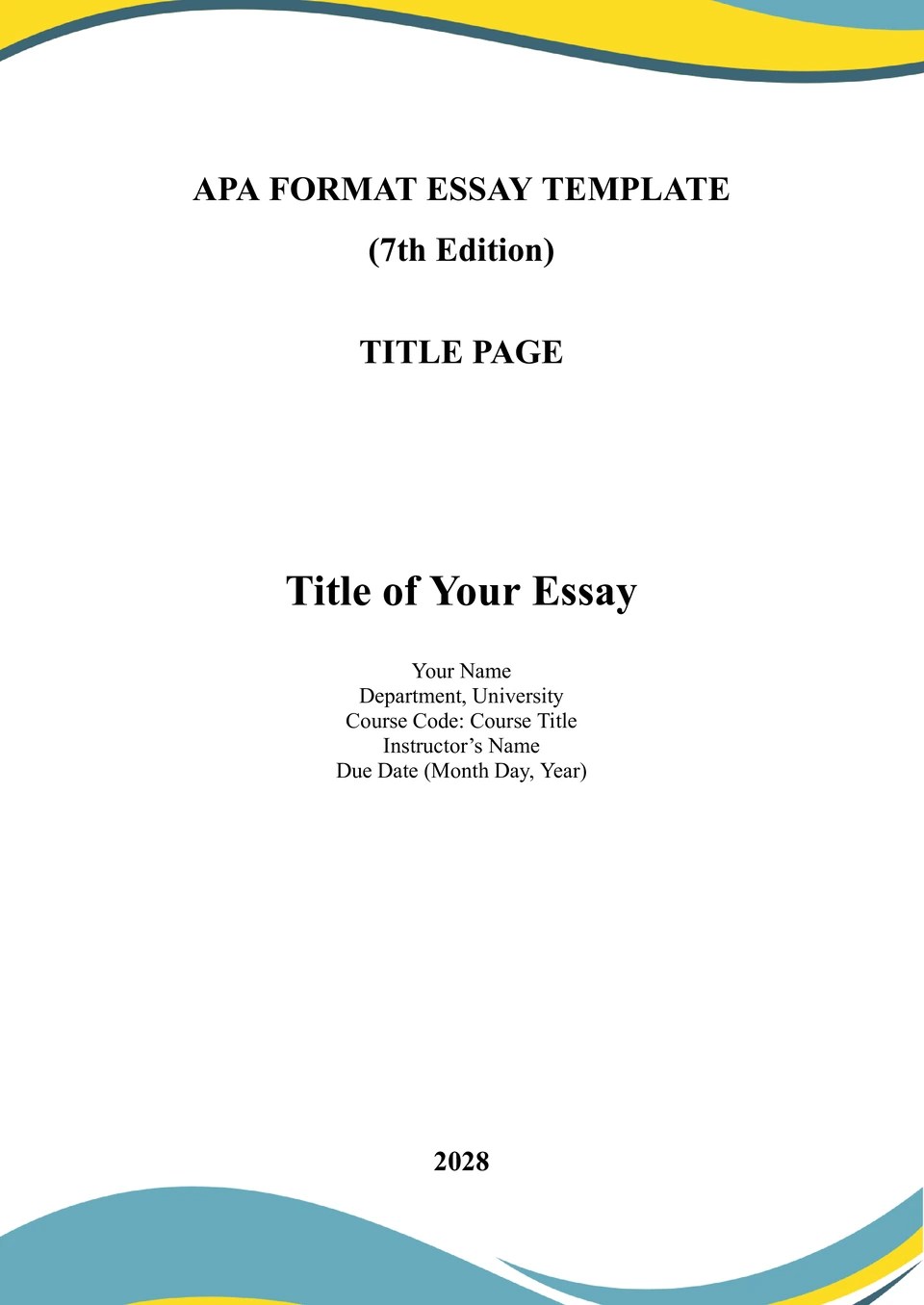
The title page, for instance, must include the paper title, author's name, institutional affiliation, course name, instructor's name, and assignment due date. The abstract, following the title page, provides a concise summary of your entire paper, typically between 150 to 250 words. It gives readers a quick overview of your research question, methods, results, and conclusions.
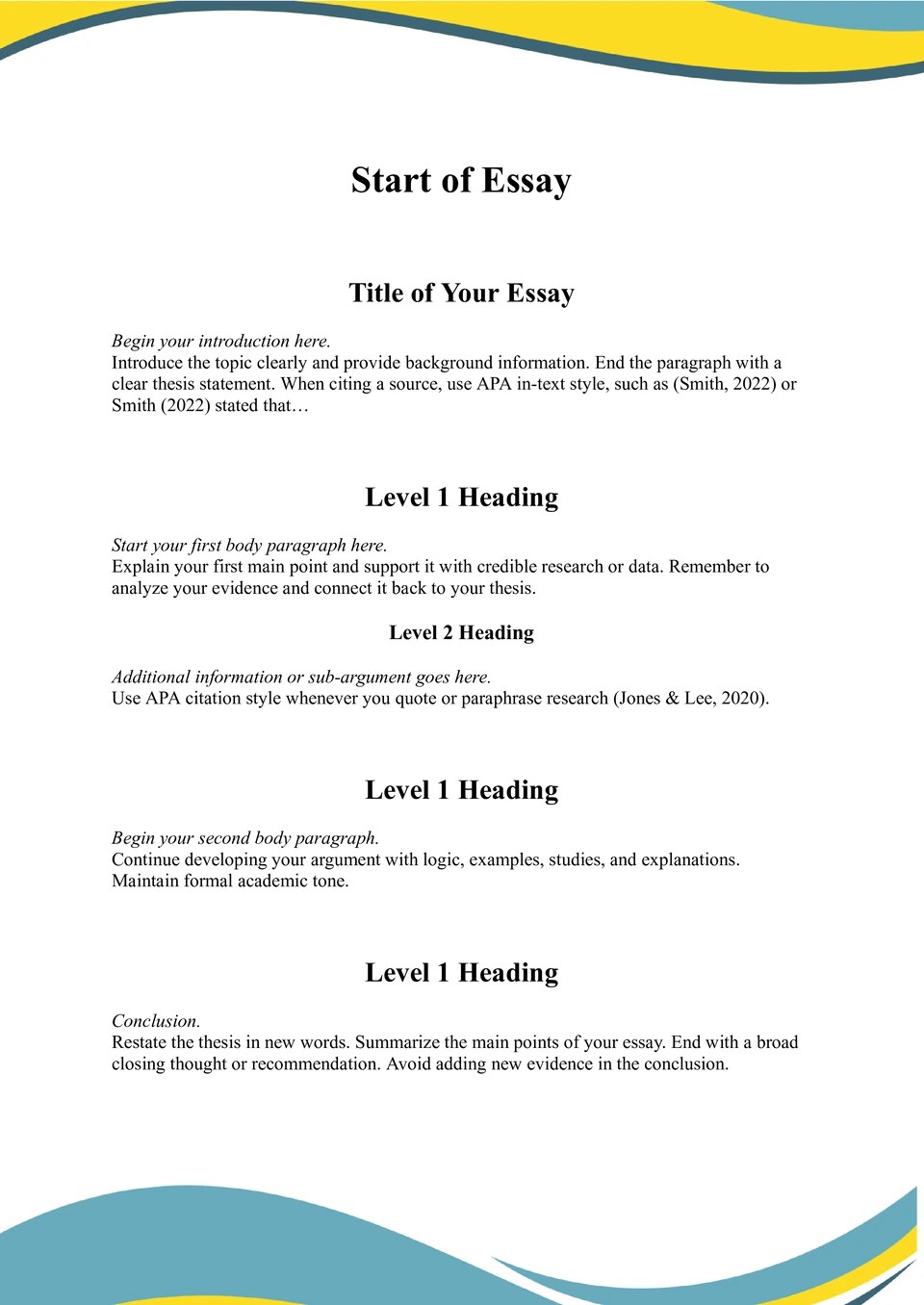
Within the main body of your paper, appropriate use of headings and subheadings is vital for organizing content logically and improving readability. Furthermore, correctly incorporating in text citations is paramount for acknowledging sources and avoiding plagiarism, while a meticulously compiled reference list at the end of your paper provides full bibliographic details for every source cited.
Step by Step Guide to APA Format Paper Setup
Setting up your APA style paper correctly from the very beginning saves time and helps prevent formatting errors later. Begin with establishing consistent formatting throughout your document: use 1 inch margins on all sides, select a legible font like Times New Roman 12 point or Calibri 11 point, and double space the entire paper. These initial steps create a clean and professional appearance.
Next, focus on the title page. Center the paper title in bold, then place your name, institutional affiliation, course number and name, instructor's name, and the assignment due date below it, all double spaced. Ensure a running head is included in the header with the page number aligned to the right. The abstract follows on its own page, summarizing your research concisely within 150 to 250 words without indentation. Below the abstract, you can list keywords if required.
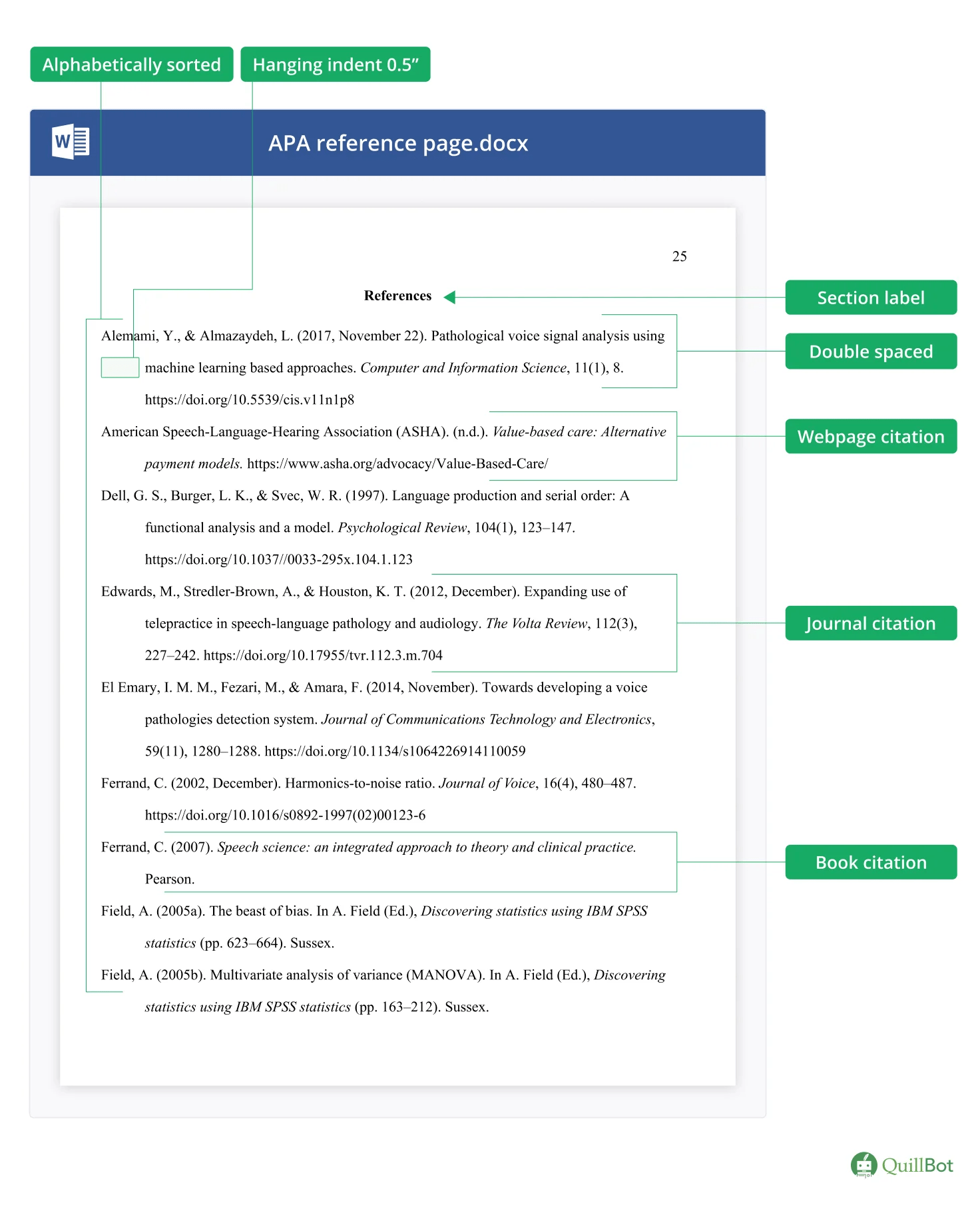
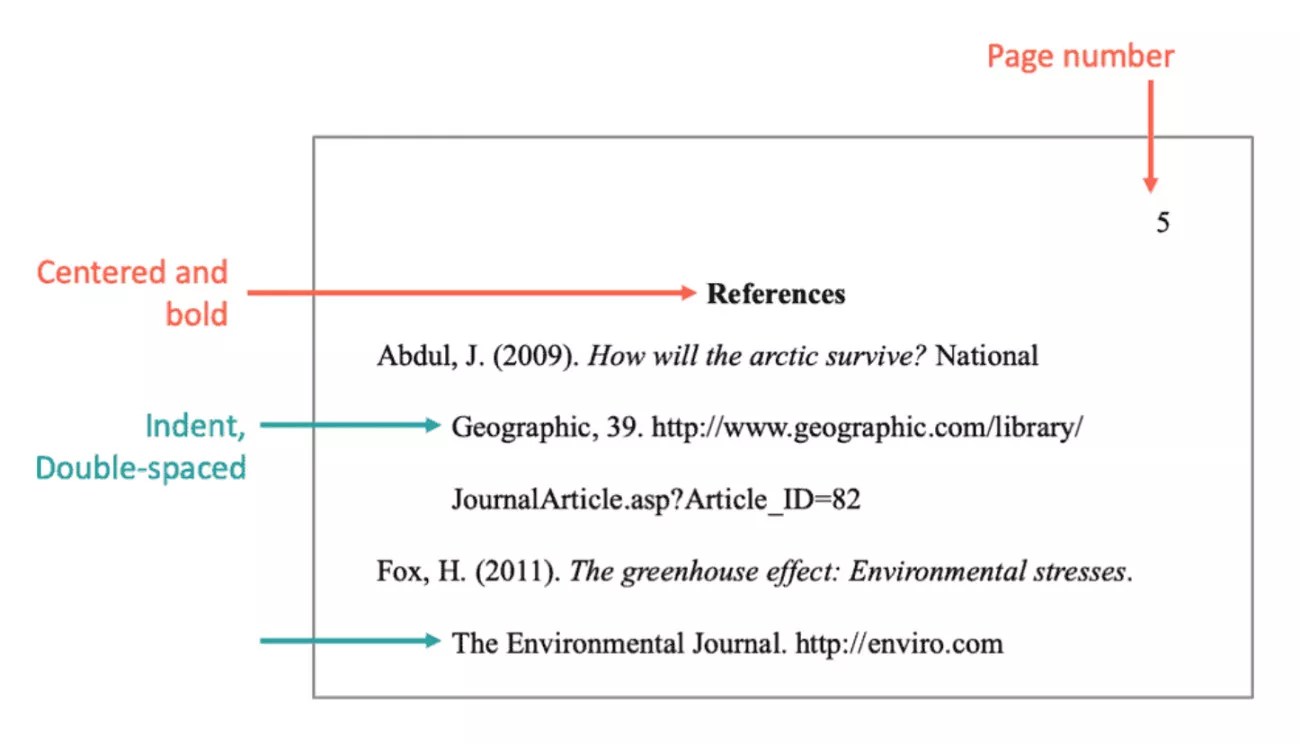
The main body of your paper begins on a new page after the abstract. Organize your content with clear headings and subheadings to guide the reader through your arguments and evidence. Remember to use in text citations diligently for every piece of information that is not your original thought. Finally, the reference list starts on a separate page after the main body, listing all cited sources in alphabetical order using a hanging indent for each entry. Consistency across these steps is crucial for a polished final product.
Common APA Formatting Mistakes to Avoid
Many students grapple with common APA formatting mistakes that can detract from an otherwise well-written paper. One frequent error is inconsistent spacing or incorrect margins. Always ensure your entire document is double spaced and maintains 1 inch margins on all sides. Another pervasive issue involves improper in text citations; forgetting to include the year of publication or the page number for direct quotes are common slip ups that undermine academic integrity.
Another area where errors often occur is in the reference list. People sometimes forget to alphabetize entries, misformat journal titles or book titles, or neglect to use a hanging indent for each entry. Each detail in the reference list is important for allowing readers to locate your sources. Also, ensure that every source cited in your paper appears in your reference list and vice versa; a mismatch indicates either an uncredited source or an unnecessary entry.
Finally, incorrect heading levels or inconsistent font styles throughout the paper can also be problematic. APA style has specific rules for five levels of headings, each with distinct formatting. Adhering to these guidelines helps organize your paper logically and enhances readability. Paying close attention to these common pitfalls can significantly improve the quality and professionalism of your APA formatted documents.
What is the most current version of APA format?
The most current version of APA format is the 7th edition. It was released in and has since become the standard for academic writing in many disciplines. This edition introduced several updates and clarifications aimed at making the style easier to use and more inclusive, particularly regarding online sources and formatting accessibility.
Are there any costs associated with using APA format?
No, there are no direct costs associated with using APA format itself. The guidelines are publicly available through various university writing centers and online resources. However, you might choose to purchase the official APA Publication Manual which is a physical or digital book that offers the most comprehensive and authoritative guide to the style. This purchase is entirely optional as numerous free resources exist.
Can I use a citation generator for APA format?
Yes you can use citation generators for APA format but always proceed with caution. While these tools can quickly generate citations and reference list entries, they are not always perfect and may introduce errors. It is essential to double check every generated citation against the official APA guidelines to ensure accuracy. Think of them as helpful assistants, not infallible authorities.
Next Steps for Mastering APA Format
Now that you have explored the fundamentals of apa format how, the next logical step is to apply this knowledge consistently in your academic work. Do not just read about it practice it. Start by reviewing a sample APA paper to see how all the elements come together in a real document. Many university writing centers provide excellent examples online that demonstrate correct formatting from the title page through the reference list.
Consider utilizing an online resource or a reputable style guide as your constant companion while you write. Tools such as Purdue OWL's APA section are invaluable for quick lookups and detailed explanations. The official APA Publication Manual is the definitive resource if you require comprehensive information and specific examples for complex citation scenarios. The key is to have reliable references at hand.
Finally, make it a habit to proofread your papers specifically for APA compliance before submission. Check your in text citations for accuracy, ensure your reference list is perfectly formatted, and confirm that all general paper mechanics like margins and spacing are correct. This diligent review process is your best defense against errors and will significantly improve the overall quality and professionalism of your academic submissions. Embrace these steps to truly master apa format how.