blogs corner kitchen tables

Mastering Your Space: The Definitive Guide to Corner Kitchen Tables

Primary: corner kitchen tables, small kitchen tables, kitchen nook sets, space-saving kitchen furniture, kitchen banquette. Secondary: breakfast nooks, kitchen dining sets, compact kitchen solutions, L-shaped kitchen tables, affordable corner tables.

Key highlights

1. Corner kitchen tables optimize often-underutilized kitchen real estate, maximizing seating and counter space. 2. They offer a versatile solution for smaller homes or apartments, providing dining functionality without cluttering central pathways. 3. Expert selection involves considering material durability, ergonomic design for comfortable seating, and proper dimensions for your specific corner. 4. Many corner kitchen tables come with built-in storage, a crucial feature for decluttering and improving kitchen organization. 5. Installation can vary from simple assembly to more complex built-in banquette styles, impacting cost and labor.

Frequently asked questions

  • How much space do I need for a small corner kitchen table?

    For a small corner kitchen table, measure the two wall segments forming the corner. You'll generally need at least 45-60 inches along each wall for the table and benches, plus an additional 24-30 inches of clearance for comfortable seating and walking space. Always account for door swings or appliance clearances.

  • Can corner kitchen tables fit in apartments?

    Absolutely. Corner kitchen tables are ideal for apartments and smaller living spaces due to their space-saving design. They maximize dining capacity in compact kitchens by utilizing awkward corners, often incorporating valuable storage solutions in bench seating, which is a significant benefit in limited square footage.

  • What materials are common for corner kitchen tables?

    Common materials for corner kitchen tables include solid wood (like pine, oak, maple), engineered wood with veneers, metal bases, and durable laminates. Each offers different aesthetics, durability, and price points. Solid wood is generally more expensive but long-lasting, while laminates are budget-friendly and easy to maintain.

  • Are corner kitchen tables comfortable for daily use?

    Yes, when chosen correctly, corner kitchen tables can be very comfortable for daily use. Look for sets with ample seating depth, supportive backrests, and consider adding cushions for extra comfort. Ergonomic design and appropriate dimensions are key to ensuring a pleasant dining experience for your family.

  • Where can I buy affordable corner kitchen tables in the USA?

    Affordable corner kitchen tables are widely available across the USA at major retailers like Wayfair, Amazon, IKEA, Ashley Furniture, and Walmart. Online marketplaces also offer numerous options. Always compare prices, read customer reviews, and check return policies before making a purchase to ensure satisfaction.

  • Do corner kitchen tables come with storage options?

    Many corner kitchen table sets, particularly those with banquette or L-shaped bench seating, are designed with integrated storage. This often includes lift-top benches or built-in drawers and shelves, providing an excellent solution for decluttering your kitchen and storing items like linens, small appliances, or pantry overflow.

  • How do I maintain a corner kitchen table to prolong its life?

    To prolong the life of your corner kitchen table, regularly wipe it clean with a damp cloth and mild soap. For wood tables, use furniture polish periodically and avoid harsh chemicals. Always use placemats and coasters to protect the surface from heat and scratches, and address spills immediately to prevent staining.

Story

Alright, let's talk about a real game-changer in the world of home design, one that often gets overlooked but can utterly transform your culinary command center: the corner kitchen table. Now, I've seen my share of kitchens, from the sprawling celebrity estates to the coziest city apartments, and one universal truth remains – every inch matters. That's where these unassuming heroes, corner kitchen tables, step in. They're not just tables; they're strategic command posts, silent workhorses, and often, the heart of family gatherings. Forget battling for space or feeling like your kitchen is perpetually cramped. With the right corner kitchen table, you're not just adding furniture; you're unlocking potential.

Why Do Corner Kitchen Tables Matter So Much for American Homes?

In a country where kitchen space can range wildly, from grand open-concept layouts to compact urban dwellings, corner kitchen tables offer a brilliant, often underappreciated, solution. For many Americans, especially in dense metropolitan areas or starter homes, maximizing living space without sacrificing functionality is a top priority. These tables elegantly tuck away, transforming an awkward corner into a functional dining area, an impromptu workspace, or even a cozy reading nook. It's about smart design, not just filling a void.

What Are the Key Benefits of Incorporating a Corner Kitchen Table?

  • Space Optimization: The most obvious, but also the most impactful. They reclaim dead space, making your kitchen feel larger and more purposeful.
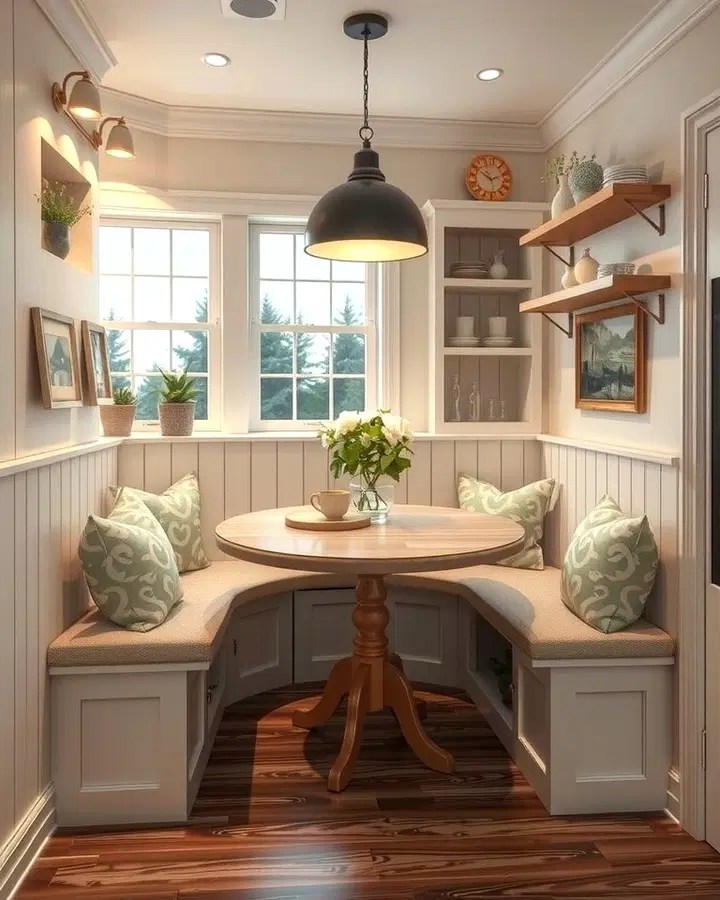
  • Increased Seating: Often, these tables come with built-in bench seating, allowing you to comfortably accommodate more people than a traditional freestanding table of similar footprint.
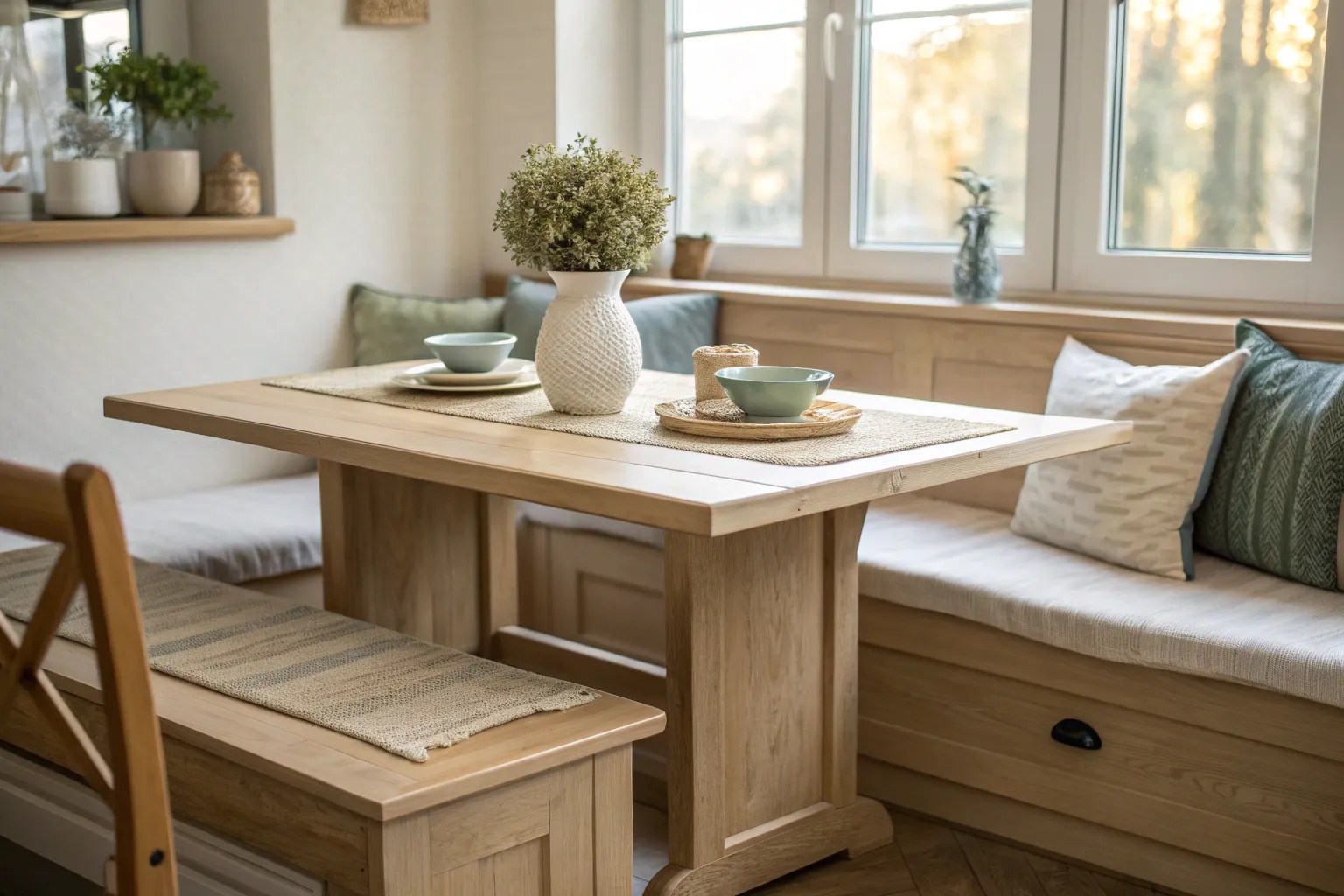
  • Enhanced Storage: Many models include lift-top benches or integrated shelving, providing invaluable extra storage for linens, small appliances, or pantry overflow.
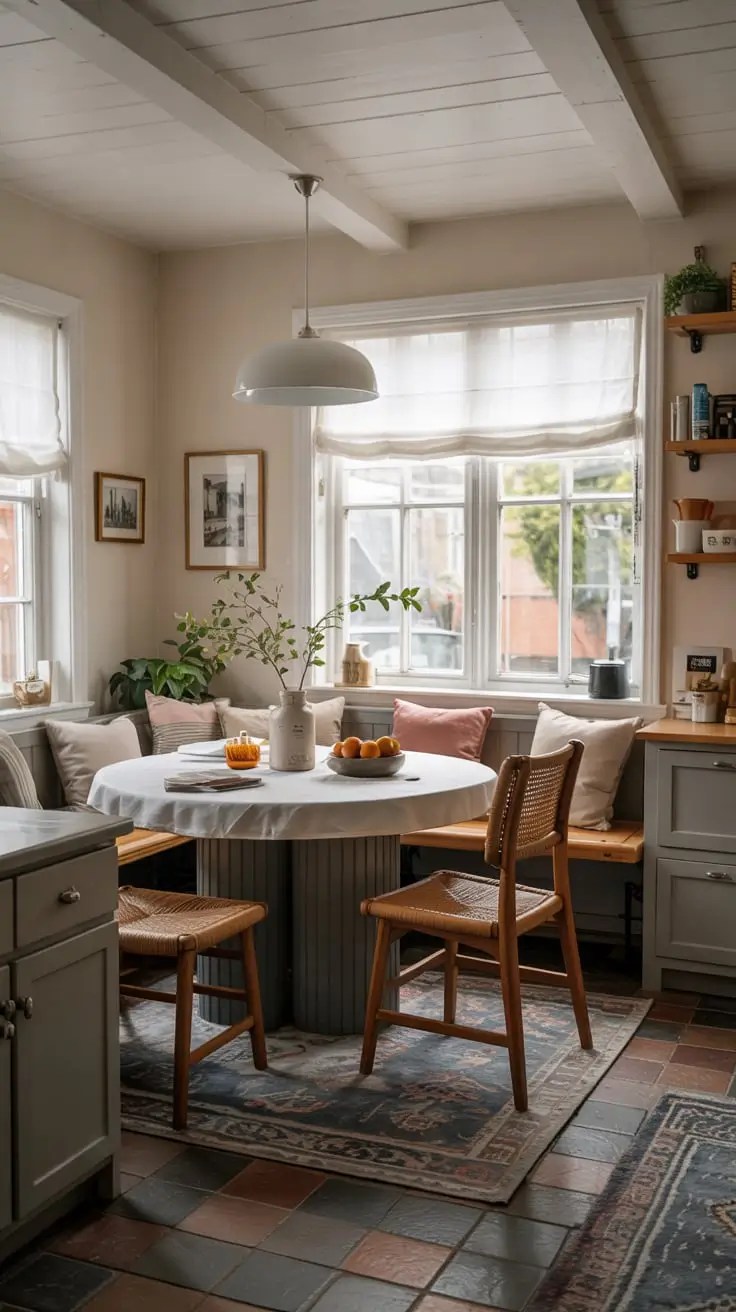
  • Cozy Ambiance: There’s something inherently inviting about a corner nook. It fosters intimacy and creates a charming, distinct dining zone.
  • Versatility: Beyond dining, they serve as excellent homework stations, craft areas, or temporary home offices.

Choosing Your Corner Kitchen Table: What Every Homeowner Needs to Know

This isn't just a grab-and-go purchase; it's an investment in your home's functionality and aesthetic. You need to approach this with an expert eye.

How Do I Measure My Kitchen Corner Accurately?

This is where precision pays off. Don't just eyeball it. Measure the length of both walls that form the corner. Also, consider the clearance needed for walking around the table and for chairs or benches to pull out comfortably. A good rule of thumb is to allow at least 24-30 inches of clearance around the table for ease of movement. Remember to account for any existing baseboards, heating vents, or electrical outlets that might impact placement.

What Materials Are Best for Durability and Style?

For kitchen tables, durability is paramount. You're looking at daily wear and tear, spills, and constant use. Here are common options available across the U.S. and their typical price points:

  • Solid Wood: Oak, maple, or pine are classics. They offer longevity and can be refinished. Expect to pay anywhere from $400 for pine up to $1,500+ for high-quality oak sets.
  • Engineered Wood (MDF/Particle Board with Veneer): More budget-friendly (often $200-$700), but less durable. Veneers can chip or peel over time.
  • Metal: Steel or wrought iron bases offer industrial chic and excellent stability. Often paired with wood or glass tops. Prices vary widely, $300-$1,000.
  • Laminate: Durable, easy to clean, and resistant to scratches. A practical choice for busy families, typically in the $300-$800 range for a full set.

Can I Install a Corner Kitchen Table Myself?

Absolutely, many models are designed for DIY assembly. Most corner kitchen tables, especially those with bench seating, come with detailed instructions. You'll typically need basic tools like screwdrivers, wrenches, and maybe a drill. However, for built-in banquette systems or custom pieces, professional installation might be advisable to ensure stability and a perfect fit. If you're not comfortable with furniture assembly, most furniture retailers offer installation services for an additional fee, usually $75-$200.

Where Can I Find Quality Corner Kitchen Tables in the U.S.?

You're spoiled for choice! Major retailers like Wayfair, Amazon, IKEA, Ashley Furniture, and Rooms To Go offer extensive selections online and in-store. For more unique or custom options, check out local furniture boutiques or independent woodworking shops. Don't forget to check customer reviews for insights into product quality and assembly ease.

Living with Your Corner Kitchen Table: Practical Tips

How Do I Maintain My Corner Kitchen Table?

Regular cleaning with mild soap and water is usually sufficient for most surfaces. For wood tables, use furniture polish periodically. Always wipe up spills immediately to prevent staining, especially on laminate or less sealed wood surfaces. Consider placemats and coasters to protect the tabletop from heat and scratches.

Is a Corner Kitchen Table Right for Every Family?

While incredibly versatile, they shine brightest in smaller to medium-sized kitchens. For very large kitchens, a corner table might feel a bit lost unless it's part of a larger, multi-functional zone. For large families (6+ members) who regularly dine together, ensure the chosen set offers adequate seating; some L-shaped banquettes can accommodate up to six people comfortably.

Summary

Corner kitchen tables are transformative pieces of furniture, expertly designed to reclaim and optimize often-underutilized kitchen spaces. They offer a potent blend of increased seating, practical storage solutions, and a cozy dining ambiance, making them an indispensable asset for American homes seeking efficiency and style.
Unlock the full potential of your kitchen with expert insights on corner kitchen tables. Discover styles, benefits, and practical tips to find the perfect fit for your home, building trust in your design choices.
Primary: corner kitchen tables, small kitchen tables, kitchen nook sets, space-saving kitchen furniture, kitchen banquette. Secondary: breakfast nooks, kitchen dining sets, compact kitchen solutions, L-shaped kitchen tables, affordable corner tables.
1. What is the typical cost range for a quality corner kitchen table set in the U.S.? A quality corner kitchen table set in the U.S. generally ranges from $400 to $1,500, depending on materials like solid wood versus engineered wood, and included features such as storage. Budget-friendly options can start around $200, while custom or high-end designs can exceed $2,000. 2. How much space should I allocate for a corner kitchen table and seating? You should allocate enough space for the table itself, plus at least 24-30 inches of clearance on all accessible sides for comfortable seating and movement. Measure both corner walls to ensure the table's dimensions fit without obstructing walkways or appliances. 3. Do corner kitchen tables usually come with storage? Yes, many corner kitchen table sets, especially those with L-shaped or U-shaped banquettes, are designed with built-in storage under the bench seats. This feature is highly valued for maximizing space and decluttering smaller kitchens. 4. Are corner kitchen tables difficult to assemble? Most commercially available corner kitchen tables are designed for DIY assembly and come with detailed instructions and all necessary hardware. While some require more effort, basic tools are typically sufficient. For built-in or custom units, professional installation might be recommended for optimal fit and stability.