


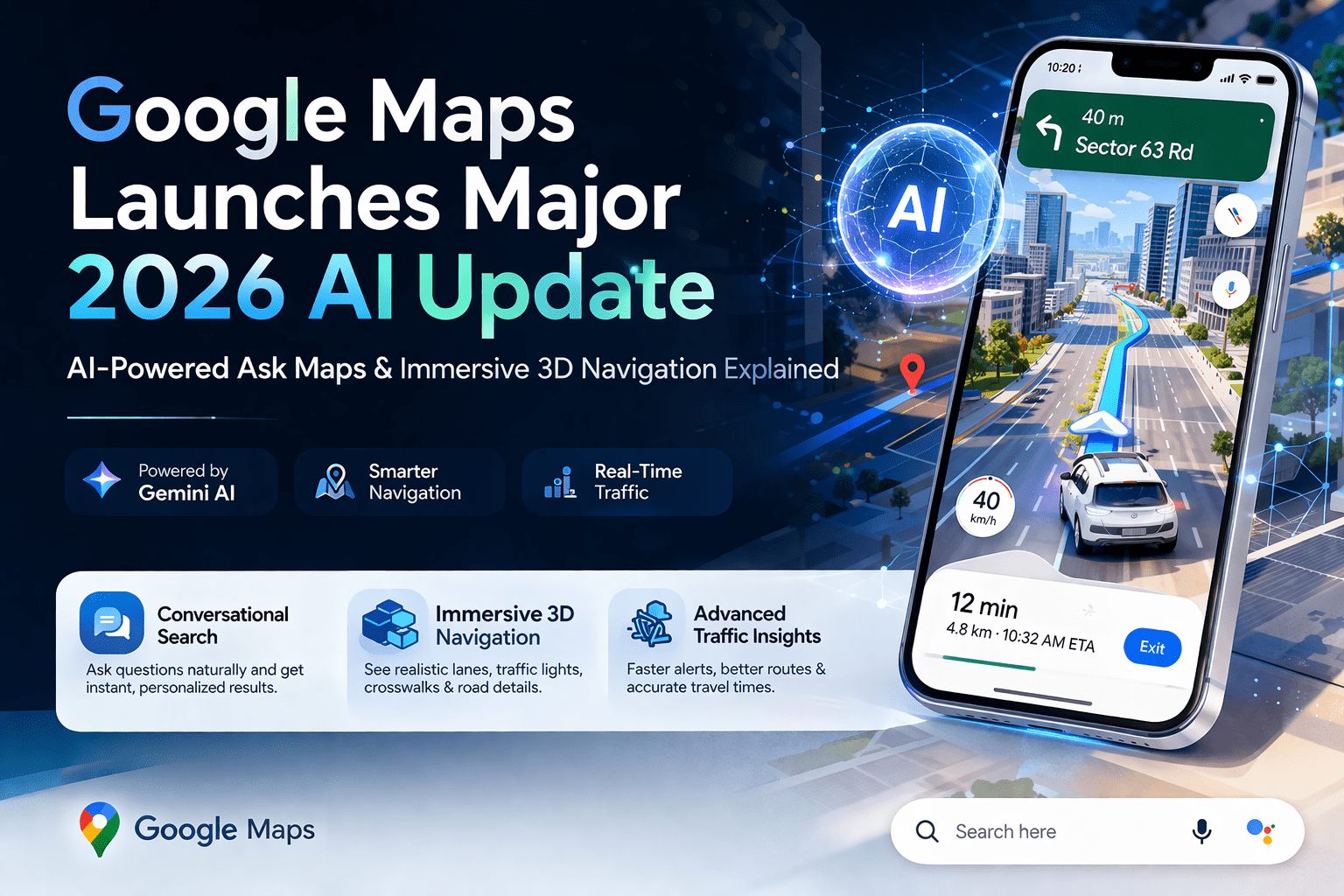


Are you tired of generic travel guides and static maps that barely scratch the surface of your destination? Many travelers wonder how to make their journeys more personal and less stressful. The answer, for many, lies in the burgeoning world of AI powered travel maps. This revolutionary technology is not just about getting from point A to point B; it is about transforming your entire exploration experience. Imagine a virtual companion crafting perfect routes, suggesting local favorites, and adapting to your spontaneous whims in real-time. This is the promise of intelligent trip planning, offering a truly immersive way to discover the United States.
Casting directors often seek specific profiles for roles. Similarly, the ideal user for advanced AI travel maps possesses a distinct profile. These traits are crucial for understanding the technology's optimal impact. Consider these characteristics for the traveler who truly benefits.
Height: Not physical stature, but a preference for high-level, comprehensive insights into destinations. They seek elevated travel planning experiences. This user desires a broad, detailed perspective.
Build: A traveler mentally built for efficiency and seamless experiences. They are comfortable with technology and value streamlined processes. This profile appreciates optimized journey flows.
Hair: A desire for clear, uncluttered travel plans and transparent information. They prefer straightforward and easy-to-follow guidance. Confusion-free navigation is key for them.
Eyes: A keen eye for discovering unique, off-the-beaten-path experiences. They actively seek personalized recommendations and hidden gems. Their vision goes beyond typical tourist spots.
Age Range: Typically 25-55, representing tech-savvy adventurers or professionals. This demographic values convenience, personalization, and smart integration. They adopt new tools readily.
Ethnicity: Diverse U.S. demographics, encompassing a wide array of cultural interests. Travel is a universal pursuit, appealing to many backgrounds. These maps serve a broad audience.
This persona embodies the modern traveler who prioritizes intelligent trip planning. They want their adventures to be both personal and effortlessly managed. AI maps perfectly cater to these discerning individuals.
The Evolution of Intelligent Trip Planning
Why Smart Travel Navigation is a Game Changer
- AI powered travel maps adapt itineraries instantly, responding to traffic or weather changes.
- They learn your preferences, suggesting unique restaurants or local attractions.
- Discover hidden routes and scenic detours you would otherwise miss.
- Integrated booking options simplify reservations for accommodations and activities.
- These systems provide real-time updates, keeping you informed and stress-free.
Key Features Shaping Future of Travel Maps
Personalized Map Routes and Recommendations
One of the most compelling aspects of AI travel maps is their capacity for deep personalization. They analyze past trips, stated interests, and even real-time behavior to craft intelligent trip planner routes. Imagine a system that knows you prefer quiet cafes over bustling tourist traps. It then designs a walking tour highlighting such spots, complete with estimated travel times. This level of customization ensures every journey feels uniquely tailored to your individual desires and explorations. The future of travel maps is truly about you.
Dynamic Navigation and Real-Time Updates
Modern travelers need more than static directions. AI driven itineraries continuously monitor conditions, from road closures to sudden downpours. If your original route hits an unexpected snag, the system immediately recalculates, offering the fastest or most scenic alternative. This dynamic adaptation is crucial for stress-free travel, especially when exploring complex urban environments or remote natural parks. Real-time updates mean you are always one step ahead, ensuring smooth, efficient travel experiences.
Beyond Directions: Virtual Travel Assistant Capabilities
These advanced maps are evolving into full-fledged virtual travel assistants. They can help with language translation, suggest nearby Wi-Fi hotspots, or even recommend local events happening during your stay. Some platforms integrate with smart home devices for seamless planning from your living room. This comprehensive support empowers travelers to explore with confidence, knowing a smart guide is always at their fingertips. The potential for enhancing your journey is truly limitless with these powerful tools.
What Others Are Asking?
How do AI travel maps personalize routes for users?
AI travel maps personalize routes by analyzing user preferences, past travel history, and real-time data. They consider factors like preferred activities, dining choices, and pace of travel to suggest intelligent trip planner itineraries. This ensures that recommended paths and destinations align closely with individual tastes and interests, providing a unique journey. These maps truly adapt to your specific needs.
Can AI driven itineraries adapt to unexpected changes?
Yes, AI driven itineraries are designed for dynamic adaptation to unexpected changes. They constantly monitor real-time conditions such as traffic, weather, and road closures. If an issue arises, the system immediately recalculates and suggests alternative personalized map routes. This capability ensures smooth, efficient travel and minimizes disruptions during your journey. Travelers can rely on instant adjustments.
What makes future of travel maps different from traditional GPS?
The future of travel maps significantly differs from traditional GPS by offering predictive insights and deep personalization. While GPS provides directions, AI travel maps curate entire experiences, suggesting hidden gems and optimizing travel flow. They learn user behavior and integrate external data for a holistic, proactive navigation experience. This goes far beyond simple turn-by-turn guidance.
Are AI travel maps reliable for exploring remote areas?
AI travel maps are increasingly reliable even in remote areas, with offline capabilities and satellite data integration. Many platforms allow users to download maps beforehand, ensuring functionality without internet access. This is particularly valuable for adventurers exploring national parks or wilderness regions. Always check the specific app's offline features for best results. They offer great peace of mind.
How will AI map features impact travel planning in 2026?
By 2026, AI map features are set to make travel planning significantly more intuitive and less time-consuming. Expect advanced predictive analytics to anticipate traveler needs, offering hyper-personalized recommendations. Seamless integration with smart devices and augmented reality will become commonplace, enhancing on-the-go exploration. Planning a trip will evolve into an almost instantaneous, highly engaging process. This shift empowers every journey.
Final Thoughts on AI Powered Travel Maps
The advent of AI powered travel maps marks a pivotal moment for adventurers seeking more meaningful and efficient journeys. These intelligent systems promise to transform every aspect of exploration, from meticulously crafted personalized map routes to dynamic, real-time navigation. Embracing this technology means unlocking a new era of effortless discovery. What exciting destination will you explore next with AI by your side? How will these smart travel navigation tools redefine your personal travel narratives?